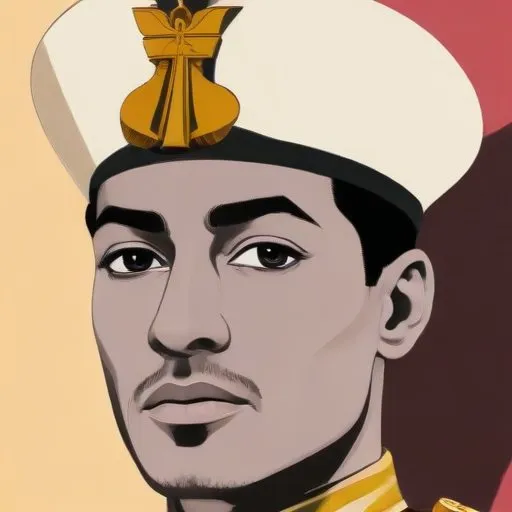
Khalid Islambouli: The Architect of Anwar El-Sadat's Assassination
A Radical Islamist with a Deadly Mission
Khalid Islambouli is infamously known for orchestrating the brutal assassination of Egyptian President Anwar El-Sadat on October 6, 1981. As a lieutenant in the Egyptian Army, Islambouli led a group of radicals in a meticulously planned attack during a military parade, killing not only the President but also several high-ranking officials and foreign dignitaries.
The Early Years and Radicalization
Born in 1955 in the village of Malata, Egypt, Islambouli was raised in a devout Muslim family. He was an average student, but his fascination with Islamist ideologies began to take hold during his teenage years. His exposure to the teachings of Islamist groups, including the Muslim Brotherhood, played a significant role in shaping his radical worldview. Islambouli's conviction that Egypt needed to be governed according to Islamic law and his opposition to Sadat's secular policies ultimately drove him to take extreme measures.
The Assassination Plot
Islambouli's plan was set in motion when he and his co-conspirators, primarily composed of fellow army officers and Islamist sympathizers, managed to infiltrate the military. They capitalized on the chaos and confusion of the military parade, using the celebrations to their advantage. As Sadat reviewed the troops, Islambouli and his accomplices opened fire, throwing grenades and firing rocket-propelled grenades into the crowd. The attack resulted in the deaths of 11 people, including Sadat, and left 28 others wounded.
Trials and Execution
Islambouli and his co-conspirators were swiftly apprehended and put on trial. The trial, marked by controversy and allegations of torture, concluded with Islambouli's conviction and subsequent death sentence. On April 15, 1982, Islambouli was executed by firing squad, along with three other conspirators.
Historical Context and Legacy
The assassination of Anwar El-Sadat sent shockwaves throughout the Middle East and the world, marking a significant turning point in Egypt's modern history. Islambouli's actions not only claimed the life of a Nobel Peace Prize winner but also precipitated a shift towards more authoritarian rule under
Hosni Mubarak. The event also highlighted the growing threat of Islamist extremism, which would continue to shape regional politics and global events in the decades that followed.
Influence on Modern Society
Islambouli's radical ideology and brutal actions have inspired, or at least influenced, numerous extremist groups and individuals. His actions demonstrate the dangers of unchecked religious fervor and the devastating consequences of political violence. In the aftermath of the assassination, Egypt's government responded with a crackdown on Islamist groups, albeit with questionable effectiveness. The incident serves as a stark reminder of the need for governments and civil societies to address the root causes of extremism and promote tolerance, inclusivity, and peaceful coexistence.
Personal Milestones and Key Life Events
- 1955: Born in Malata, Egypt
- 1970s: Radicalized by Islamist ideologies
- 1981: Orchestrated the assassination of Anwar El-Sadat
- 1982: Executed by firing squad for his role in the assassination
Quotes and Memorable Sayings
"I have killed Pharaoh, and I have sparkled the light of Islam." - Khalid Islambouli, during his interrogation
Trivia and Fun Facts
* Khalid Islambouli's brother, Mohammed Islambouli, was also implicated in the assassination plot and received a life sentence.
* The assassination of Anwar El-Sadat was one of the most significant events in modern Egyptian history, and it led to a significant shift in the country's political landscape.
FAQ
What was Khalid Islamboulis role in the Egyptian military?
Khalid Islambouli was an Egyptian army lieutenant who was involved in the assassination of President Anwar El-Sadat in 1981.
Why did Khalid Islambouli assassinate Anwar El-Sadat?
Khalid Islambouli assassinated Anwar El-Sadat due to his opposition to the Egyptian-Israeli peace treaty and what he saw as Sadats betrayal of Islamic values.
What was the aftermath of Khalid Islamboulis actions?
Khalid Islambouli was captured and executed for his role in the assassination. His actions led to a period of turmoil in Egypt and a crackdown on Islamist groups.
What is Khalid Islamboulis legacy in Islamist circles?
Khalid Islambouli is seen as a martyr and a hero by some Islamist groups, who view him as a defender of Islamic values and a opponent of Western influence.
How did Khalid Islamboulis actions impact Egyptian politics?
Khalid Islamboulis assassination of Anwar El-Sadat had significant repercussions for Egyptian politics, leading to a shift in power and a period of instability that lasted for several years.