


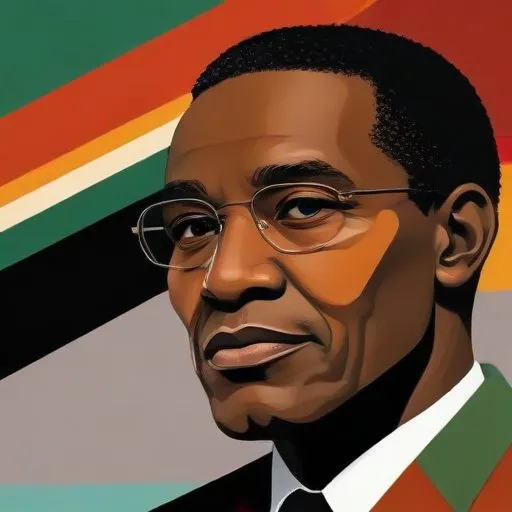
A South African-Australian scholar and politician who founded the Fairbridge Farm School in Western Australia, providing education and training to disadvantaged children. He's known for his pioneering work in child welfare and education reform.
Kingsley Fairbridge, a name synonymous with child emigration to the colonies, is credited with founding the Society for the Furtherance of Child Emigration to the Colonies, which later became the Child Emigration Society and eventually, the Fairbridge Society. This pioneering effort aimed to provide underprivileged children from Britain with a chance to start anew in the colonies, transforming their lives and fostering a new generation of farmers and settlers.
Born on May 5, 1885, in Grahamstown, Cape Colony (now part of South Africa), Kingsley Fairbridge grew up in a surveyor's family. His early life was marked by a brief stint at St. Andrews College, Grahamstown, until the age of 11, when his family relocated to Rhodesia (now Zimbabwe). It was during this period that Fairbridge's father worked as a surveyor in Umtali (now Mutare, Zimbabwe).
With minimal formal education, Fairbridge embarked on a clerical career at the Standard Bank of South Africa in Umtali. However, his determination to serve in the Boer War led him to attempt to enlist, only to be deterred by malaria. This setback did not quell his spirit, and he later pursued market gardening, an experience that would shape his future endeavors.
Fairbridge's 1903 visit to his grandmother in England proved to be a turning point. Witnessing the stark contrast between the poverty-stricken children in London's slums and the untapped resources of Rhodesia, Fairbridge conceptualized a revolutionary idea: to establish a system of child emigration from Britain to its colonies. This vision would transform the lives of thousands of children, providing them with a chance to grow and thrive in a new environment.
Fairbridge's tireless efforts finally bore fruit in 1909, when the Society for the Furtherance of Child Emigration to the Colonies was founded. This organization would go on to become the Child Emigration Society and eventually, the Fairbridge Society. Through his work, Fairbridge facilitated the emigration of thousands of children from Britain to various colonies, including Australia, Canada, and Rhodesia.
The Fairbridge Society's mission was multifaceted: to provide children with a chance to escape poverty, to populate the colonies with skilled farmers and settlers, and to foster a sense of community and social responsibility. Fairbridge's efforts not only changed the lives of these children but also contributed to the growth and development of the colonies.
Kingsley Fairbridge's groundbreaking work was recognized during his lifetime. He was awarded a Rhodes Scholarship, which enabled him to study at Oxford University. His dedication to the cause of child emigration earned him numerous accolades, including an appointment as a Justice of the Peace and a Member of the Royal Empire Society.
Fairbridge's legacy extends far beyond his own lifetime. The Fairbridge Society continues to operate, albeit in a modernized form, and his vision has inspired subsequent generations of social reformers and philanthropists. Today, Fairbridge is remembered as a pioneering figure who dared to challenge the status quo, driven by his unwavering commitment to improving the lives of others.
"I saw great Colleges of Agriculture, not workhouses, springing up in every man-hungry corner of the Empire. I saw children shedding the bondage of bitter circumstances and stretching their legs and minds amid the thousand interests of the farm. I saw waste turned to providence, the waste of unneeded humanity converted to the husbandry of unpeopled acres."
- Kingsley Fairbridge
Kingsley Fairbridge's remarkable story serves as a testament to the power of vision, perseverance, and dedication. His work has inspired generations of social reformers, philanthropists, and educators, leaving an indelible mark on the lives of countless children and communities around the world.
As we reflect on Fairbridge's remarkable journey, we are reminded of the importance of compassion, empathy, and innovative thinking in shaping a better future for all. His legacy continues to inspire us to strive for a world where every individual has the opportunity to thrive and reach their full potential.
Born in 1870
A skilled lawyer and politician who played a key role in shaping South Africa's government and served as a prominent international statesman. He's also known for his influential ideas on holism and evolution.
Born in 1918
A South African lawyer and politician who fought against apartheid, becoming the country's first black president and a symbol of racial reconciliation, earning a Nobel Peace Prize. He's a beacon of hope and freedom.
Born in 1917
A leading figure in the fight against apartheid, he served as President of the African National Congress and played a crucial role in mobilizing international opposition to the racist regime.
Born in 1912
A leading figure in the fight against apartheid, he was a co-founder of the African National Congress and spent 25 years in prison for his activism. He played a key role in shaping South Africa's transition to democracy.
Born in 1926
A Lithuanian-born South African revolutionary who fought against apartheid, leading the armed wing of the African National Congress and playing a key role in the country's transition to democracy.
