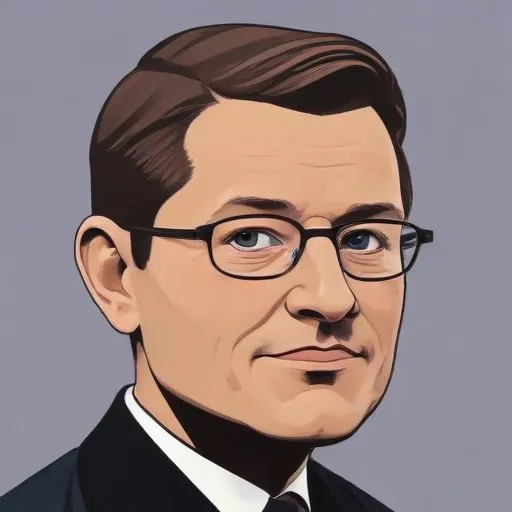
Kristian Djurhuus: The Visionary Leader of the Faroe Islands
A Lifetime of Service and Dedication
Kristian Djurhuus is renowned for his unwavering commitment to the people of the Faroe Islands, serving as their Prime Minister not once, but twice, from 1950 to 1958 and again from 1968 to 1970. As a member of the Union Party, Djurhuus championed the cause of unity and progress, leaving an indelible mark on the country's political landscape.
Rise to Prominence
Born on February 12, 1895, in the picturesque village of Porkeri, Djurhuus' early life was marked by a strong sense of duty and responsibility. His father, Hans Andreas Djurhuus, a master carpenter, instilled in him the value of hard work and dedication. It was this foundation that propelled Djurhuus into the world of politics, starting with his role as the chairman of the town council of Froðba from 1926 to 1930.
A Life of Public Service
Djurhuus' political career spanned over three decades, during which he held various positions of power, including:
- Member of the Løgting (Faroese Parliament) from 1932 to 1962 and again from 1966 to 1970
- Speaker of the Løgting during the British occupation of the Faroe Islands in World War II
- Minister in the Faroese government from 1948 to 1950, 1959 to 1963, and 1967 to 1968
Challenges and Triumphs
Djurhuus' tenure as Prime Minister was marked by significant challenges, none more so than the infamous "doctors' disputes of Klaksvík" from 1952 to 1956. This crisis saw widespread unrest and, on one occasion, a gunman opened fire on Djurhuus' home on November 20, 1955. Miraculously, he escaped unharmed.
Legacy and Impact
Djurhuus' legacy is one of unwavering commitment to the people of the Faroe Islands. His tireless efforts to promote unity, progress, and stability have left a lasting impact on the country's political and social fabric. As a testament to his dedication, Djurhuus remains one of the most revered figures in Faroese history, a true champion of his people.
Today, his name is etched in the annals of Faroese history as a symbol of strength, resilience, and vision. Kristian Djurhuus' remarkable journey serves as an inspiration to generations, a shining example of what can be achieved through hard work, determination, and a passion for public service.
Personal Milestones
Djurhuus' life was marked by significant personal milestones, including:
- Marriage to his beloved wife, who supported him throughout his political career
- The birth of his children, who carried on his legacy and continued to serve the community
Kristian Djurhuus' life was a testament to the power of dedication, perseverance, and public service. As we reflect on his remarkable journey, we are reminded of the significance of his contributions to the Faroe Islands and the impact he had on the lives of countless individuals.
Influence on Modern Society
Djurhuus' legacy extends far beyond his own lifetime, influencing contemporary Faroese politics and society. His commitment to unity, progress, and stability has inspired generations of politicians, policymakers, and community leaders.
As we navigate the complexities of modern politics, Djurhuus' life serves as a poignant reminder of the importance of dedication, compassion, and public service. His unwavering commitment to the people of the Faroe Islands continues to inspire and motivate, leaving a lasting impact on the country's trajectory.
FAQ
What was Kristian Djurhuuss role in Faroese politics?
Kristian Djurhuus was a prominent Faroese lawyer and politician who served as the 2nd Prime Minister of the Faroe Islands from 1950 to 1959. He was a key figure in the countrys struggle for autonomy and self-government.
How did Kristian Djurhuuss government shape the Faroe Islands relationship with Denmark?
Kristian Djurhuuss government played a significant role in shaping the Faroe Islands relationship with Denmark, negotiating a new autonomy agreement that granted the Faroe Islands greater self-government and independence. He was a strong advocate for Faroese autonomy and worked tirelessly to promote the countrys interests.
What was Kristian Djurhuuss stance on Faroese independence?
Kristian Djurhuus was a strong advocate for Faroese independence, believing that the country had a unique cultural and linguistic identity that should be recognized and respected. He worked to promote Faroese autonomy and self-government, while also maintaining good relations with Denmark.
How did Kristian Djurhuuss leadership style influence Faroese politics?
Kristian Djurhuuss leadership style was characterized by his strong sense of conviction, his commitment to Faroese autonomy, and his ability to build consensus and coalitions. He was a respected leader who inspired confidence and trust among the Faroese people, and his leadership had a lasting impact on the countrys politics and development.
What was Kristian Djurhuuss legacy in Faroese history?
Kristian Djurhuuss legacy in Faroese history is that of a courageous and visionary leader who played a key role in shaping the countrys struggle for autonomy and self-government. His commitment to Faroese independence and his leadership style continue to inspire Faroese politicians and citizens today.