


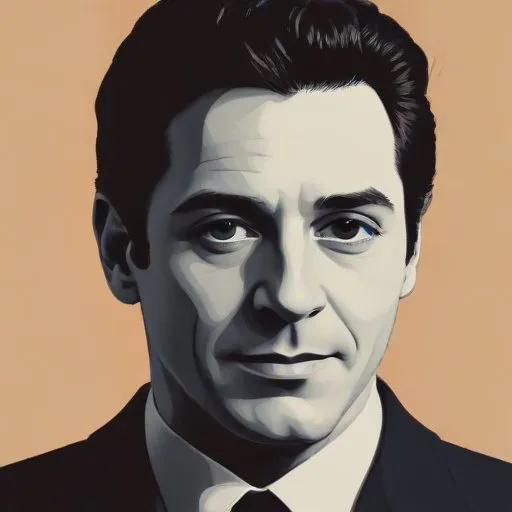
Pioneering filmmaker behind silent comedy classics, creating iconic characters and influencing future comedians. Known for his innovative blend of physical humor and storytelling.
Larry Semon, a trailblazing comedian, director, producer, and screenwriter, left an indelible mark on the silent film era. He is remembered fondly for his collaborations with legendary comedians Stan Laurel and Oliver Hardy, as well as his iconic direction of the 1925 silent film adaptation of The Wizard of Oz, a precursor to the beloved 1939 classic.
Born in West Point, Mississippi on February 9, 1889, Semon was the son of Zera Semon, a traveling Jewish vaudeville magician, and his wife Irene, who worked as his assistant. Growing up amidst the whimsy of the vaudeville circuit, Semon developed a natural flair for the dramatic and comedic. He joined his parents' act alongside his older sister, honing his skills as a performer.
After completing his education in Savannah, Georgia, Semon moved to New York City, where he worked as a cartoonist, comics artist, and graphic artist for The New York Sun and The New York Morning Telegraph. His talents eventually caught the attention of Vitagraph Studios, which offered him a contract in 1915. Semon's career in the film industry had begun.
As a scenario writer, director, and film producer, Semon worked behind the scenes, crafting comedic gems for actor Hughie Mack. He occasionally appeared in bit parts, but it wasn't long before he took center stage, playing the lead roles in his own films. Semon's signature style – a white-faced goof in a derby hat and overalls – delighted audiences, as he wreaked havoc in various settings, leaving a trail of chaos and destruction in his wake.
Semon's silent short comedies were produced and released rapidly, making him a household name during the 1920s. His collaborations with Stan Laurel and Oliver Hardy, though brief, paved the way for their future success as a comedy duo. Semon's influence can be seen in the many comedians who followed in his footsteps, and his legacy continues to inspire new generations of filmmakers and comedians.
Semon's 1925 silent film adaptation of The Wizard of Oz, though often overshadowed by the 1939 classic, remains a testament to his innovative spirit and creative vision. The film's inclusion in the 2005 DVD release of the 1939 version serves as a poignant reminder of Semon's lasting impact on the world of cinema.
Larry Semon's remarkable life and career serve as a testament to the power of creativity, perseverance, and innovation. Though his star may have faded with the advent of talkies, his silent film legacy continues to enchant audiences, inspiring new generations of comedians, filmmakers, and lovers of classic cinema.
In the realm of silent film, Larry Semon's name is synonymous with laughter, creativity, and innovation. As we look back on his remarkable life and career, we are reminded of the power of art to transcend time, entertaining and inspiring audiences for generations to come.
Born in 1889
A pioneer of silent film, he is renowned for his iconic "Little Tramp" character and groundbreaking work in writing, directing, and starring in his own movies.
Born in 1895
A pioneering silent film comedian, known for his deadpan expression and ingenious physical comedy, who wrote, directed, and starred in his own films.
Born in 1893
Pioneering silent film star and stunt master, known for performing daring physical comedy and iconic scenes, such as hanging from a clock tower.
Born in 1892
A pioneering actress, producer, and screenwriter who co-founded United Artists, revolutionizing the film industry with her creative vision and business acumen. She was a silent film star and one of the most popular actresses of her time.
Born in 1883
A swashbuckling pioneer of silent films, known for his daring stunts and charming on-screen presence, revolutionizing the action-adventure genre.
Born in 1875
Pioneering filmmaker behind groundbreaking silent movies, credited with developing innovative camera techniques and narrative storytelling styles.
Born in 1880
Pioneering filmmaker and comedian who developed the Keystone Kops and introduced Charlie Chaplin to the screen, revolutionizing silent comedy.
