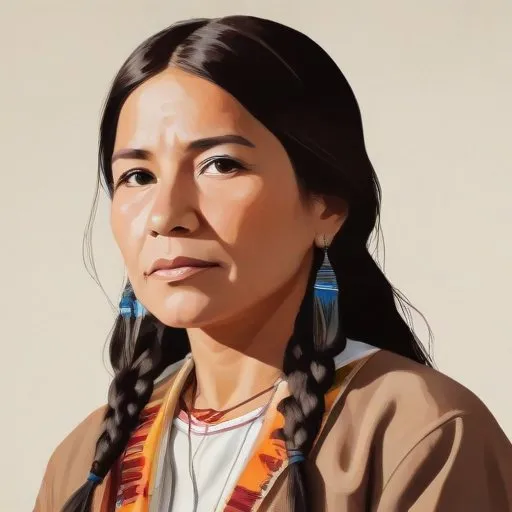
Laura Cornelius Kellogg: The Visionary Leader of the Oneida Nation
A Champion of Indigenous Rights and Self-Governance
Laura Cornelius Kellogg was a pioneering Oneida leader, author, orator, and activist who fought tirelessly for the sovereignty and renaissance of the Six Nations of the Iroquois. As a founder of the Society of American Indians, Kellogg was a powerful voice for her people, advocating for communal tribal lands, tribal autonomy, and self-government.
Early Life and Lineage
Born on September 10, 1880, on the Oneida Indian Reservation in Green Bay, Wisconsin, Kellogg came from a distinguished lineage of Indian tribal leaders. Her paternal grandfather, John Cornelius, was a chief of the Oneida Nation, while her maternal grandfather, Chief Daniel Bread, played a crucial role in finding land for his people after they were forcibly removed from New York State to Wisconsin in the early 19th century.
The Fight for Land Claims and Self-Sufficiency
During the 1920s and 1930s, Kellogg and her husband, Orrin J. Kellogg, worked tirelessly to pursue land claims in New York on behalf of the Six Nations people. Her innovative plan, known as the Lolomi Plan, was a progressive alternative to the Bureau of Indian Affairs control, emphasizing indigenous American self-sufficiency, cooperative labor and organization, and capitalization of labor.
Awards and Recognition
Kellogg's contributions to the indigenous community were recognized through various awards and honors. She was popularly known as "Indian Princess Wynnogene" and was celebrated for her tireless efforts to promote the welfare of her people.
Legacy and Impact
According to historian Laurence Hauptman, Kellogg played a significant role in transforming the modern Iroquois, empowering them to become major actors, activists, and litigants in the modern world of 20th-century Indian politics. Her legacy continues to inspire generations of indigenous leaders and activists, serving as a testament to her unwavering commitment to the sovereignty and self-determination of Native American communities.
Personal Milestones and Key Life Events
- 1880: Born on September 10th on the Oneida Indian Reservation in Green Bay, Wisconsin
- 1920s-1930s: Pursued land claims in New York on behalf of the Six Nations people with her husband, Orrin J. Kellogg
- 1930s: Developed the Lolomi Plan, a progressive alternative to Bureau of Indian Affairs control
Influence on Modern Society
Kellogg's vision for indigenous self-sufficiency and sovereignty continues to resonate with contemporary movements for Native American rights and environmental justice. Her legacy serves as a powerful reminder of the importance of preserving indigenous cultures and promoting environmentally sustainable practices.
Philosophical Contributions and Beliefs
Kellogg's work was guided by a deep commitment to the principles of tribal autonomy, self-governance, and environmental stewardship. Her philosophy emphasized the importance of cooperative labor, indigenous knowledge, and community-led development.
Historical Context and Legacy
Kellogg's life and work were shaped by the tumultuous history of Native American displacement, marginalization, and resistance. Her legacy serves as a testament to the power of indigenous resilience and the importance of preserving Native American cultures and traditions for future generations.
Comparative Analysis with Contemporaries
Kellogg's work can be compared to that of other prominent indigenous leaders and activists of her time, such as Geronimo and Red Cloud. Her unique approach to tribal sovereignty and self-sufficiency, however, sets her apart as a visionary leader in the history of Native American politics.
FAQ
What was Laura Cornelius Kelloggs role in Native American activism?
Laura Cornelius Kellogg was a prominent Native American activist who worked tirelessly to promote the rights and welfare of Native Americans. She was a strong advocate for land rights, education, and cultural preservation.
How did Laura Cornelius Kelloggs experiences shape her activism?
Laura Cornelius Kelloggs experiences as a Native American woman, including her childhood on the Oneida Reservation, shaped her activism. She was deeply aware of the struggles and injustices faced by Native Americans, and she dedicated her life to addressing these issues.
What were some of Laura Cornelius Kelloggs notable achievements?
Laura Cornelius Kelloggs notable achievements include her work as a lobbyist, her advocacy for Native American education, and her efforts to preserve Native American culture. She was a true pioneer in the fight for Native American rights.
How did Laura Cornelius Kelloggs activism impact Native American communities?
Laura Cornelius Kelloggs activism had a significant impact on Native American communities, inspiring future generations of activists and leaders. Her work helped to raise awareness about the struggles faced by Native Americans and paved the way for important reforms.
What is Laura Cornelius Kelloggs legacy in Native American history?
Laura Cornelius Kelloggs legacy in Native American history is that of a courageous and dedicated activist who fought for the rights and dignity of Native Americans. Her contributions to the struggle for Native American justice and equality are still celebrated today.