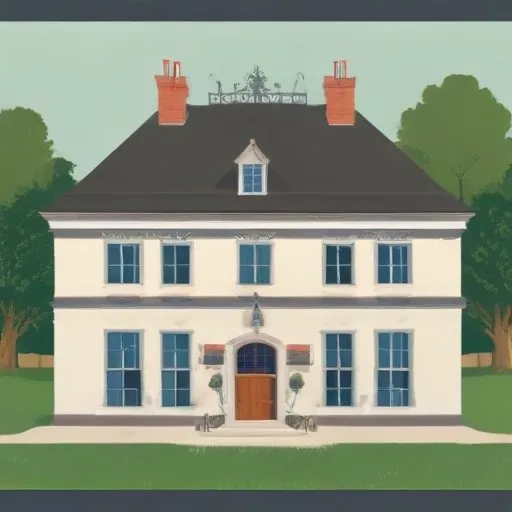
Lauritz de Thurah: The Visionary Architect of Denmark's Late Baroque Period
A Pioneer of Architectural Innovation
Lauritz de Thurah, a Danish architect and architectural writer, is renowned for being the most important Danish architect of the late baroque period. His significant contributions to the understanding of Denmark's architectural heritage and building construction in his time have left an indelible mark on the country's architectural landscape.
Early Life and Education
Born Laurids Lauridsen Thura on March 4, 1706, in Aarhus, Denmark, Thurah was the third son of parish priest Laurids Thura, later Bishop of Ribe, and his wife Helene Cathrine de With. He received his early education at home under the guidance of his father, a scholarly and able teacher. Thurah's chance encounter with the royal house led to his selection, along with his older brother Diderich, for military service. In 1719, he enrolled as a military cadet at the Military Cadet Academy in Copenhagen, where he received an education for the Engineer Corps.
Rise to Prominence
Thurah's interest in architecture led him to petition the king for a royal grant to study civil architecture on a longer travel to foreign lands. To attain this, he created carefully detailed drawings of Rendsburg's fortifications, churches, and houses, which ultimately earned him the grant. Between 1729 and 1731, Thurah traveled extensively, studying the inspiring buildings he saw, and bringing back the baroque style to Denmark. This style, popular at the time, later gave way to rococo, but Thurah remained loyal to the baroque tradition throughout his life.
Major Works and Contributions
Thurah's notable architectural works include:
- Ermitage Palace, a royal hunting lodge in Dyrehaven
- Frederik's Church, a grand church in Copenhagen
- Sorgenfri Palace, a summer residence for the Danish royal family
As an architectural writer and historian, Thurah's contributions to the understanding of Denmark's architectural heritage are invaluable. His works provide a comprehensive insight into the building construction of his time, serving as a valuable resource for architects and historians alike.
Influence on Modern Society
Thurah's dedication to the baroque style, despite its decline in popularity, has inspired generations of architects. His commitment to preserving Denmark's architectural heritage has ensured that the country's rich cultural history remains intact. His influence extends beyond the realm of architecture, as his works have contributed to the development of Denmark's cultural identity.
Legacy and Historical Context
Thurah's legacy is a testament to his tireless efforts to promote and preserve Denmark's architectural heritage. In a time when architectural styles were rapidly changing, he remained loyal to the baroque tradition, leaving behind a rich cultural legacy. His contributions to the understanding of Denmark's building construction have cemented his place as one of the most important Danish architects of the late baroque period.
Comparative Analysis with Contemporaries
Thurah's peers, such as Nicolai Eigtved and Johan Cornelius Krieger, were also influential architects of the time. While they too contributed to the development of Danish architecture, Thurah's unique focus on the baroque style and his dedication to preserving Denmark's architectural heritage set him apart from his contemporaries.
Personal Milestones and Key Life Events
Thurah's life was marked by significant milestones, including:
- 1725: Employed as Assistant Resident Engineer in the Holstein Engineering Corps
- 1729-1731: Traveled extensively, studying architecture and bringing back the baroque style to Denmark
- 1735: Completed the Ermitage Palace, a royal hunting lodge in Dyrehaven
These milestones highlight Thurah's dedication to his craft and his contribution to Denmark's architectural landscape.
Conclusion
Lauritz de Thurah's enduring legacy is a testament to his vision, innovation, and dedication to preserving Denmark's architectural heritage. As the most important Danish architect of the late baroque period, Thurah's contributions continue to inspire architects, historians, and enthusiasts alike, cementing his place in the annals of Danish cultural history.
FAQ
What were Lauritz de Thurahs most famous architectural designs?
Lauritz de Thurah was a Danish architect who designed many notable buildings, including the Hermitage Hunting Lodge and Gammel Holtegård. His works are known for their classical style and ornate details.
What was Lauritz de Thurahs role in the development of Danish architecture?
Lauritz de Thurah was a key figure in the development of Danish architecture, known for his innovative use of classical styles and his emphasis on proportion and symmetry. He was a influential teacher and mentor, and his designs continue to shape Danish architectural heritage.
How did Lauritz de Thurah influence later architects?
Lauritz de Thurahs designs and teachings had a significant influence on later architects, including Nicolai Eigtved and Caspar Frederik Harsdorff. His emphasis on classical styles and proportion paved the way for the development of Neoclassicism in Denmark.
What was Lauritz de Thurahs relationship with King Frederick IV?
Lauritz de Thurah was a favorite of King Frederick IV of Denmark, who commissioned many of his designs. The king valued de Thurahs skills and taste, and granted him a noble title and a generous pension.
How is Lauritz de Thurah remembered today?
Lauritz de Thurah is remembered as one of the greatest architects in Danish history, celebrated for his innovative designs and his influence on the development of Danish architecture. His works continue to delight and inspire architects and art lovers around the world.