


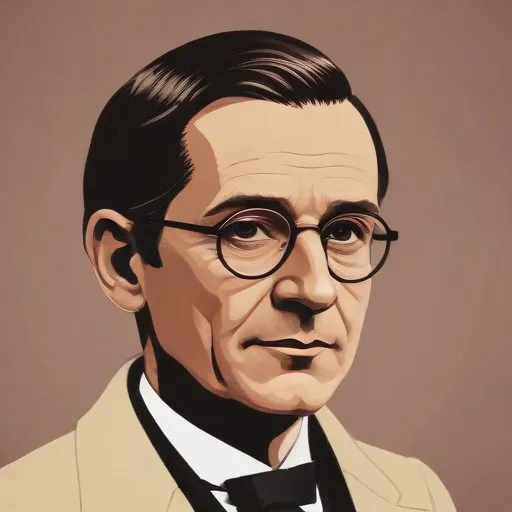
Renowned historian and author who wrote extensively on American education, shedding light on its development and impact on society. His work has greatly influenced educational policies and reforms.
Lawrence A. Cremin is renowned for his seminal contributions to the field of educational history, broadening the scope of study beyond traditional school-centered approaches to encompass a more comprehensive understanding of education. He is best known for his influential books, including The Transformation of the School and American Education: The National Experience, which earned him the prestigious Bancroft Prize and Pulitzer Prize, respectively.
Cremin was born on October 31, 1925, in Queens, New York. He attended Townsend Harris High School and later earned his B.A. and M.A. from City College of New York. In 1949, he received his Ph.D. from Columbia University, where he would later become a prominent educator and administrator.
Cremin's academic career spanned over four decades, during which he taught at Teachers College, Columbia University, and held various administrative positions, including the presidency of the college from 1974 to 1984. His groundbreaking research and writings focused on the social and cultural context of education, exploring the role of family, community, and state in shaping educational policies and practices.
Cremin's work was characterized by a commitment to a more nuanced understanding of education, acknowledging the interplay between social, cultural, and economic factors in shaping educational systems. He advocated for a more democratic and inclusive approach to education, emphasizing the importance of community involvement and non-traditional educational settings.
Cremin's influential writings and research have had a profound impact on modern educational policies and practices, encouraging educators and policymakers to adopt a more comprehensive and inclusive approach to education. His work has also influenced the development of educational history as a discipline, inspiring new generations of scholars to explore the complex relationships between education, society, and culture.
Throughout his career, Cremin received numerous awards and honors for his contributions to educational history and research, including the Bancroft Prize, Pulitzer Prize, and membership in the American Academy of Arts and Sciences and the American Philosophical Society.
Lawrence A. Cremin's legacy extends beyond his influential writings and research, as his work continues to shape the field of educational history and inform educational policies and practices. His commitment to a more democratic and inclusive approach to education remains a guiding principle for educators and scholars today.
Born in 1922
A pioneering historian and activist who challenged traditional narratives, offering a people's perspective on American history, and inspiring social change through his influential writings.
Born in 1908
A renowned historian and author who wrote extensively on the American South, shedding light on its complex history and racial dynamics. His works remain influential in understanding the region's past and its ongoing impact on modern society.
Born in 1916
A Pulitzer Prize-winning historian and academic who wrote influential books on American history, politics, and culture, shaping the way we understand our nation's past and present.
Born in 1914
A renowned historian and author who served as the 12th Librarian of Congress, known for his Pulitzer Prize-winning book "The Americans: The Democratic Experience".
