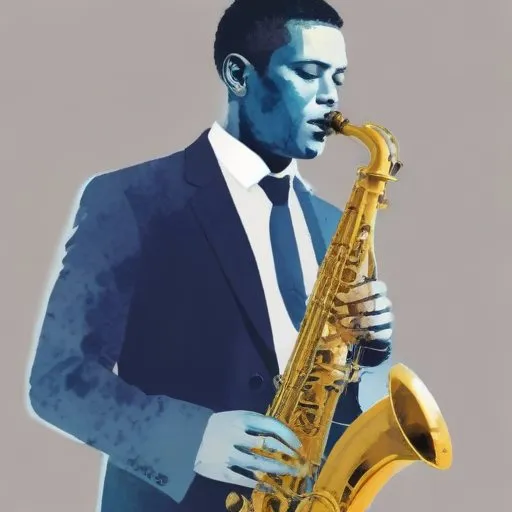
Lee Allen: The Saxophone Maestro of Rock 'n' Roll
A Legendary Sound that Shaped a Generation
Lee Allen, the American tenor saxophone player, left an indelible mark on the music industry with his distinctive tone and iconic performances. Considered one of the most important instrumentalists in rock 'n' roll, Allen's contributions continue to influence musicians to this day.
Early Life and Career
Born on July 2, 1927, in Pittsburg, Kansas, Allen grew up in Denver, Colorado, where he developed a passion for music from an early age. He began playing the saxophone in his childhood and went on to earn a combined athletics and music scholarship from Xavier University. This led him to relocate to New Orleans in 1943, where he became an integral part of the city's thriving music scene.
New Orleans Rock 'n' Roll and Rhythm and Blues
In New Orleans, Allen performed and recorded with numerous musicians, including
Paul Gayten,
Dave Bartholomew,
Fats Domino, and
Lloyd Price. His collaborations with these legendary artists helped shape the sound of early rock 'n' roll and rhythm and blues. Allen's sax solo on
Little Richard's epochal hits, including "Tutti Frutti" and "Long Tall Sally," is particularly notable.
"Walkin' with Mr. Lee" and Beyond
Allen's instrumental "Walkin' with Mr. Lee," released in 1958, became a minor hit and received frequent airplay on American Bandstand. This success led to the release of an album of the same name, featuring Allen's subsequent singles. He also appeared in the 1959 film "Sweet Beat."
Semi-Retirement and Later Life
By the mid-1960s, Allen found that New Orleans was no longer the recording hub it once was. He followed drummer
Earl Palmer's lead and moved to Southern California, where he continued to perform intermittently until his passing on October 18, 1994.
Legacy and Impact
Phil Alvin, Allen's bandmate in The Blasters, aptly described him as "one of the DNA strands of rock." Lee Allen's influential saxophone playing has inspired generations of musicians, from rock 'n' roll pioneers to contemporary artists. His unique tone and style continue to shape the sound of rock music, cementing his place as a legendary figure in the genre.
Trivia and Fun Facts
- Allen's distinctive tone was achieved using a Selmer Mark VI tenor saxophone.
- He was an avid sports fan and played basketball and football in his youth.
- Allen's music influenced British rock bands, such as The Rolling Stones and The Beatles.
Quotes and Memorable Sayings
"I just tried to play what I felt, and it seemed to work."
Lee Allen's remarkable career and enduring legacy serve as a testament to the power of music to bring people together and transcend generations. His contributions to rock 'n' roll and rhythm and blues continue to inspire and delight audiences worldwide.
FAQ
What was Lee Allens role in the development of New Orleans jazz?
Lee Allen was a prominent saxophonist and composer who played a significant role in the development of New Orleans jazz. He was known for his innovative playing style, which blended traditional jazz with modern influences.
How did Lee Allens music reflect his New Orleans heritage?
Lee Allens music was deeply rooted in his New Orleans heritage, drawing on the citys rich cultural traditions and musical styles. He often incorporated jazz, blues, and gospel elements into his compositions.
What was Lee Allens collaboration with other New Orleans jazz legends like?
Lee Allen frequently collaborated with other New Orleans jazz legends, including Fats Domino, Professor Longhair, and Lloyd Price. These collaborations helped to define the citys unique jazz sound.
How did Lee Allens music influence later generations of jazz musicians?
Lee Allens music had a lasting impact on later generations of jazz musicians, including saxophonists like John Coltrane and Sonny Rollins. His innovative playing style and compositions continue to inspire jazz artists today.
What awards and honors did Lee Allen receive for his contributions to jazz?
Lee Allen received numerous awards and honors for his contributions to jazz, including a Grammy Lifetime Achievement Award and induction into the Louisiana Music Hall of Fame.