


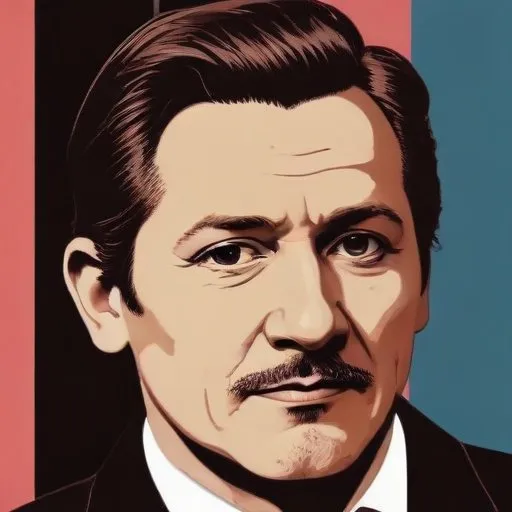
A Finnish composer and music critic, known for his romantic and nationalistic style, influencing the development of Finnish classical music. His works include symphonies, operas, and chamber music.
Leevi Madetoja, a Finnish composer, music critic, conductor, and teacher, is widely recognized as one of the most significant contemporaries of Jean Sibelius. He is best known for his three symphonies, which are considered some of the finest additions to the symphonic canon of any Finnish composer, with the exception of Sibelius himself.
Born on February 17, 1887, in Oulu, Finland, Madetoja's love for music was evident from a young age. He began his musical journey by studying privately under Jean Sibelius from 1908 to 1910, which had a profound impact on his compositional style.
Madetoja's most notable works include his three symphonies, composed in 1916, 1918, and 1926. These symphonies are a testament to his mastery of the genre and are considered some of the finest examples of Finnish classical music. His opera, Pohjalaisia (The Ostrobothnians), premiered in 1924, is often referred to as Finland's national opera and remains a staple of the country's repertoire to this day.
Despite his acclaim during his lifetime, Madetoja's music fell into relative obscurity outside of the Nordic countries. However, in recent decades, his works have experienced a resurgence in popularity, with several Nordic orchestras and conductors undertaking recording projects to showcase his music.
Madetoja's compositional style is characterized by a unique blend of Finnish melancholy, folk melodies from his native region of Ostrobothnia, and the elegance and clarity of the French symphonic tradition. His music also bears the influence of Sibelius, his mentor, and other prominent composers of the time.
Madetoja was not only a talented composer but also a respected music critic. He wrote reviews for the newspaper Helsingin Sanomat from 1916 to 1932, during which he praised Sibelius and critiqued the music scenes of France and Finland. His personal life was marked by a tempestuous marriage to Finnish poet L. Onerva, which remained childless.
Leevi Madetoja's contribution to Finnish classical music is immeasurable. His symphonies and operas continue to inspire new generations of composers and musicians, and his legacy serves as a testament to the power of music to transcend time and borders.
Born in 1865
A Finnish master of classical music, renowned for his symphonies and tone poems that evoke the mystique of his native land. His iconic works, such as "Finlandia," have become synonymous with Finnish culture.
97 Years Old
A renowned Finnish composer and educator, he created a wide range of works, from operas to symphonies, often blending modernism with mysticism. His music is characterized by its lyricism and dramatic flair.
Born in 1893
Finnish composer and educator renowned for his contributions to modern classical music, particularly in choral and orchestral works. His compositions often blended traditional Finnish elements with modernist techniques.
Born in 1883
A Finnish maestro who crafted a unique blend of folk and classical music, leaving an indelible mark on his country's cultural heritage.
Born in 1868
A Finnish pianist and composer who created a wide range of works, including operas, symphonies, and chamber music, known for his Romantic-era style and nationalistic themes.
