


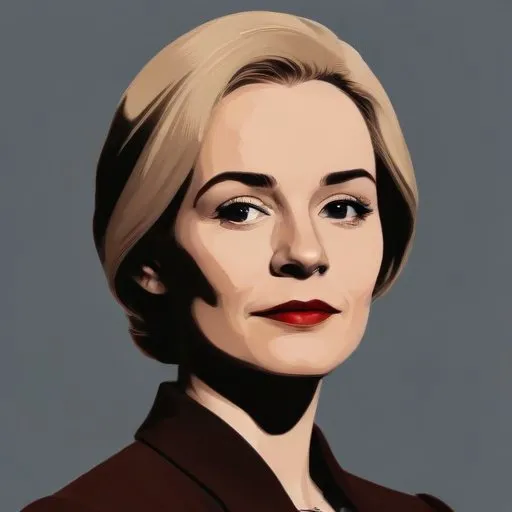
A pioneering labor organizer who fought for workers' rights, particularly women's rights, in the late 19th and early 20th centuries.
Leonora Barry was a pioneering Irish-American labor activist who made history as the only woman to hold national office within the Knights of Labor. Through her tireless efforts, she shed light on the harsh conditions faced by working women and contributed significantly to the labor reform movement.
Born in County Cork, Ireland, on August 13, 1849, Leonora M. Kearney was the daughter of John and Honor Granger Kearney. Her family relocated to rural Pierrepont, New York, in 1852 to escape the Great Famine. After her mother's untimely death in 1864, Leonora's father remarried, leading to tension between her and her stepmother. She sought solace in education, attending teaching school and eventually earning her teacher certification at the age of 16.
In 1871, Leonora married William E. Barry, a native of Ireland, and the couple had three children together. However, her teaching career was cut short due to a state law that prohibited married women from working as teachers. This discriminatory legislation forced her to turn to manual labor, and the family frequently moved to different locations in search of work.
Barry's experiences as a working woman and mother sparked her interest in the labor movement. She joined the Knights of Labor, a prominent labor organization of the time, and quickly rose through the ranks. In 1886, she became the first and only woman to hold national office within the organization, serving as the General Investigator of Women's Work.
Through her position, Barry shed light on the deplorable working conditions faced by women, who were often subjected to long hours, low wages, and hazardous working environments. She traveled extensively, giving lectures and gathering data on the plight of working women. Her findings and advocacy contributed significantly to the labor reform movement, inspiring changes in legislation and public perception.
Leonora Barry's pioneering work paved the way for future generations of women in the labor movement. Her unwavering commitment to social justice and women's rights continues to inspire people today. Her legacy serves as a testament to the power of determination and the importance of advocating for positive change.
Leonora Barry's remarkable life and achievements serve as a beacon of hope and inspiration, reminding us of the importance of standing up for what is right and fighting for the rights of others.
Born in 1820
Pioneering figure in the women's suffrage movement, fighting for women's right to vote and own property. Her tireless efforts led to significant advancements in women's rights.
Born in 1815
Pioneering women's rights activist who led the women's suffrage movement, fighting for women's right to vote and own property.
Born in 1885
A pioneering figure in the women's suffrage movement, fighting for equal rights and voting privileges through nonviolent protests and strategic lobbying. Her legacy continues to inspire feminist activism today.
Born in 1879
A pioneering birth control activist who advocated for women's reproductive rights and founded the American Birth Control League, precursor to Planned Parenthood.
Born in 1860
A pioneering social worker and peace activist, she founded Hull House, a settlement that provided social services to immigrants and the working poor, and was awarded the Nobel Peace Prize in 1931.
Born in 1857
A pioneering investigative journalist who exposed corporate wrongdoing, particularly in the oil industry, through her meticulous research and writing, sparking significant reforms.
Born in 1884
A humanitarian and politician who championed human rights, women's empowerment, and social justice, leaving a lasting impact on American politics and international relations.
Born in 1821
Founded the American Red Cross, providing humanitarian aid and disaster relief, and pioneering nursing education. Known for her courageous and selfless efforts during the Civil War and beyond.
