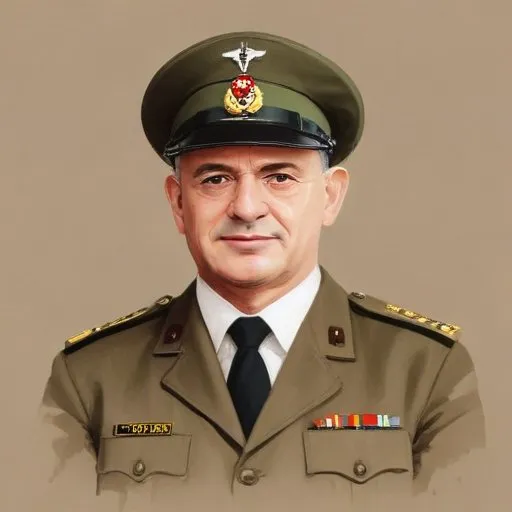
Levi Eshkol: The Visionary Leader Who Shaped Modern Israel
A Leader of Firsts: Defining Moments in Eshkol's Career
Levi Eshkol, the third Prime Minister of Israel, left an indelible mark on the country's history with his trailblazing leadership and innovative policies. As the first Israeli leader to be formally invited to the White House, Eshkol's diplomatic prowess paved the way for a strengthened Israel-United States relationship.
Agricultural Roots and Early Zionist Activism
Born Levi Yitzhak Shkolnik on October 25, 1895, in Ukraine, Eshkol's fascination with Zionism led him to immigrate to Ottoman Palestine in 1914. He worked in agriculture, becoming an integral part of the Yishuv, and went on to found several key institutions, including the Histadrut and Haganah. His early involvement in the Zionist movement set the stage for a lifelong commitment to the development of the Jewish state.
Rise to Prominence: Ministerial Roles and Leadership Positions
Eshkol's political ascent began with his election as treasurer of The Young Worker political party and treasurer of the Agricultural Center. In 1929, he became chairman of the settlement committee within the Zionist Congress, playing a crucial role in enabling conditions for new construction. The 1930s saw Eshkol founding Mekorot water company, a position he held until 1951, while also serving in the Haganah, Workers Party, and as chairman of Tel Aviv Workers Council.
Path to Prime Ministership
Following a stint as Director General of the Ministry of Defense from 1948 to 1949, Eshkol served as chairman of the Settlement Department of the Jewish Agency from 1948 to 1963. His election to the Second Knesset in 1951 was followed by his appointment as Minister of Finance, a position he held from 1952 to 1963. Eshkol's popularity led to his election as Prime Minister in 1963, a role he held until his untimely death in 1969.
Landmark Achievements: Annulment of Military Rule and US Relations
Eshkol's prime ministership was marked by significant accomplishments, including the annulment of military rule over Israeli Arabs and a historic visit to the United States. His relationship with President
Lyndon B. Johnson greatly influenced Israel-US relations, ultimately contributing to the Six-Day War.
Legacy and Impact
Levi Eshkol's legacy extends far beyond his impressive list of accomplishments. As a visionary leader, he played a pivotal role in shaping modern Israel, fostering international relationships, and promoting economic growth. Through his tireless efforts, Eshkol ensured a lasting impact on the country he loved, leaving behind a rich heritage that continues to inspire future generations.
- Quotes and Memorable Sayings:
- "Israel's strength is not in its armies or its budgets, but in the spirit of its people."
- "We must strive to create a society where every individual can feel proud to be an Israeli."
Personal Milestones and Key Life Events
- Eshkol married twice, first to Rivka Maharshak and then to Miriam Zelikowitz, with whom he had two daughters.
- In 1963, Eshkol succeeded David Ben-Gurion as Prime Minister, marking a new era in Israeli politics.
- Eshkol passed away on February 26, 1969, due to a heart attack, leaving behind a legacy that continues to inspire.
Historical Context and Comparative Analysis
Eshkol's leadership coincided with a tumultuous period in global politics, marked by the Cold War and rising tensions in the Middle East. In the context of Israeli history, Eshkol's vision and diplomacy served as a beacon of hope, distinguishing him from his contemporaries.
Philosophical Contributions and Beliefs
Eshkol's commitment to Zionism and the development of Israel was rooted in his deep-seated belief in the importance of Jewish statehood. His philosophical contributions to the Israeli Labor Party and the broader Zionist movement continue to shape the country's politics and identity.
Career Highlights and Major Works
- Founder of the Israeli Labor Party
- Minister of Defense (1963-1967)
- Minister of Finance (1952-1963)
- Prime Minister of Israel (1963-1969)
- Director General of the Ministry of Defense (1948-1949)
- Chairman of the Settlement Department of the Jewish Agency (1948-1963)
Awards and Honors
Eshkol's contributions to the State of Israel were recognized with the highest honors, including the honorary degree of Doctor of Philosophy from the Hebrew University of Jerusalem.
FAQ
What were Levi Eshkols contributions to the State of Israel?
Levi Eshkol was a Ukrainian-Israeli soldier and politician who played a crucial role in the establishment and development of the State of Israel. He served as the third Prime Minister of Israel from 1963 to 1969 and oversaw the countrys rapid economic growth and modernization.
What was Levi Eshkols role in the Israeli War of Independence?
Levi Eshkol was a key figure in the Israeli War of Independence, serving as a senior officer in the Haganah, the precursor to the Israel Defense Forces. He played a crucial role in planning and executing the war effort.
What was Levi Eshkols economic policy as Prime Minister?
As Prime Minister, Levi Eshkol implemented a series of economic reforms aimed at rapid industrialization and modernization. He invested in infrastructure development, encouraged foreign investment, and promoted economic cooperation with other countries.
How did Levi Eshkol handle the Six-Day War?
During the Six-Day War in 1967, Levi Eshkol played a crucial role in navigating Israels military strategy and diplomatic efforts. He worked closely with the countrys military leaders to secure a swift and decisive victory.
What is Levi Eshkols legacy in Israeli politics?
Levi Eshkol is remembered as one of Israels most important leaders, credited with transforming the country into a modern, industrialized state. His economic reforms and leadership during the Six-Day War cemented his place in Israeli history.