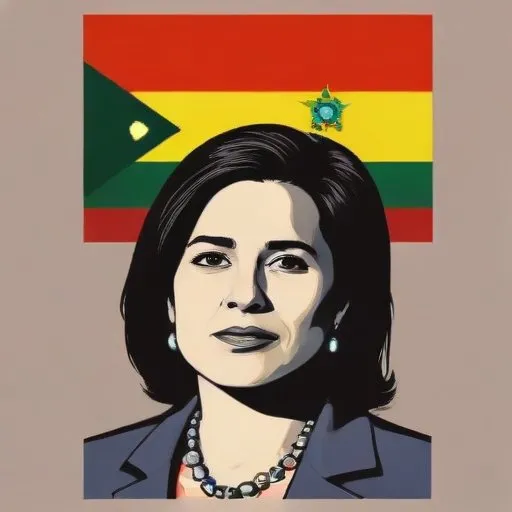
Lidia Gueiler Tejada: The Trailblazing Bolivian President
A Pioneering Figure in Bolivian Politics
Lidia Gueiler Tejada is renowned for being the first female President of Bolivia, serving as the Interim President from 1979 to 1980. This remarkable feat makes her a trailblazer in Bolivian politics, paving the way for future generations of women in leadership roles.
Early Life and Education
Born on August 28, 1921, in Cochabamba, Bolivia, Lidia Gueiler Tejada came from a traditional Bolivian family. She pursued higher education at the University of San Simón, earning a degree in law. Her academic background laid the foundation for her future career in politics.
Rise to Power
Gueiler Tejada's political career spanned several decades, during which she held various positions in the government. She was a member of the Revolutionary Nationalist Movement (MNR) and served as a diplomat, representing Bolivia in international organizations such as the United Nations.
In 1979, amidst political turmoil, Gueiler Tejada was appointed as the Interim President of Bolivia, following the resignation of President Alberto Natusch Busch. She took office on November 16, 1979, and remained in power until July 18, 1980, when Luis García Meza seized power in a military coup.
Accomplishments and Legacy
During her brief tenure as President, Gueiler Tejada worked tirelessly to promote democratic reforms and restore stability to the country. Some of her notable achievements include:
- Establishing a national women's organization to promote gender equality and empowerment
- Implementing policies to reduce poverty and improve education
- Fostering international cooperation and diplomacy
Awards and Recognition
Gueiler Tejada's pioneering efforts have earned her numerous awards and recognition. She was awarded the Order of the Condor of the Andes, Bolivia's highest honor, in 2009. Additionally, she received the
Gabriela Mistral Order of Educational and Cultural Merit from the Chilean government in 2011.
Personal Life and Later Years
After leaving office, Gueiler Tejada continued to be involved in politics, serving as a senator and advocating for women's rights. She passed away on May 9, 2011, at the age of 89, leaving behind a legacy as a trailblazing figure in Bolivian politics.
Impact on Bolivian Society
Lidia Gueiler Tejada's remarkable achievements have had a lasting impact on Bolivian society. She inspired generations of women to pursue careers in politics and public service, paving the way for future female leaders. Her commitment to democracy, education, and social justice continues to influence Bolivian politics and society today.
Conclusion
Lidia Gueiler Tejada's remarkable story serves as a testament to her unwavering dedication to public service and her unrelenting passion for creating positive change. As a pioneering figure in Bolivian politics, her legacy continues to inspire and empower individuals around the world.
FAQ
What was Lidia Gueiler Tejadas early life like?
Lidia Gueiler Tejada was born on August 28, 1921, in Cochabamba, Bolivia. She came from a middle-class family and was educated in law and politics.
How did Lidia Gueiler Tejada become President of Bolivia?
Lidia Gueiler Tejada became the first female President of Bolivia in 1979, serving as interim president until 1980. She was appointed by the Bolivian Congress after the resignation of President Guevara.
What were Lidia Gueiler Tejadas accomplishments as President?
During her presidency, Gueiler Tejada focused on stabilizing the economy and promoting democracy in Bolivia. She also worked to improve relations with neighboring countries.
What was Lidia Gueiler Tejadas role in Bolivian politics?
Gueiler Tejada was a prominent figure in Bolivian politics, serving as a senator and minister before becoming president. She continued to be involved in politics after her presidency.
What was Lidia Gueiler Tejadas legacy?
Lidia Gueiler Tejada left a lasting legacy as a trailblazing female leader in Bolivian politics. She paved the way for future generations of women in politics and remains a respected figure in Bolivian history.