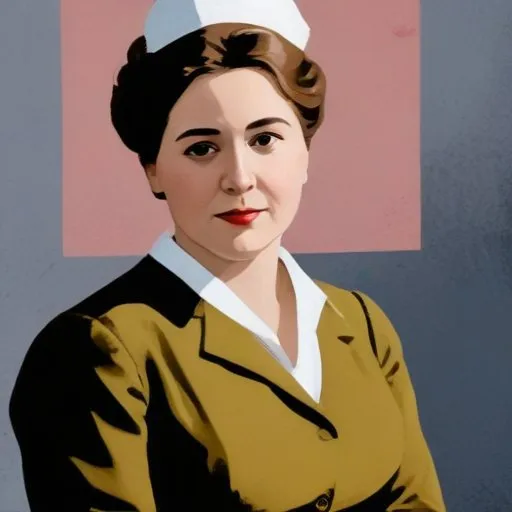
Lillian Wald: The Pioneer of American Community Nursing
A Champion of Human Rights and Social Justice
Lillian Wald is known for being a trailblazing American nurse, humanitarian, and author who devoted her life to improving the health and well-being of marginalized communities. She is credited with founding the Henry Street Settlement in New York City, which paved the way for American community nursing, and was a vocal advocate for women's suffrage and racial integration.
Early Life and Education
Born on March 10, 1867, in Cincinnati, Ohio, Wald grew up in a wealthy German-Jewish medical family. Her father, Max D. Wald, was an optical dealer, and her uncle, Henry Wald, M.D., was a prominent surgeon who founded a medical dynasty at Columbia University. Wald's family moved to Rochester, New York, in 1878, where she attended Miss Cruttendens English-French Boarding and Day School for Young Ladies. She applied to Vassar College at the age of 16 but was deemed too young. Instead, she attended New York Hospitals School of Nursing, graduating from the New York Hospital Training School for Nurses in 1891.
A Career of Service and Activism
Wald's nursing career began at the New York Juvenile Asylum, where she was appalled by the poor conditions and decided to take action. In 1893, she left medical school to teach a home class on nursing for poor immigrant families on New York City's Lower East Side. This experience sparked her passion for community nursing, and she began to care for sick Lower East Side residents as a visiting nurse. Wald's work with Mary Brewster, another nurse, laid the foundation for the Henry Street Settlement, which was established in 1895.
The Henry Street Settlement
The Henry Street Settlement was a pioneering institution that provided medical care, social services, and education to thousands of immigrants and working-class families. Wald's vision was to create a comprehensive community center that addressed the social determinants of health, including housing, education, and employment. The settlement became a model for community-based healthcare, and its success inspired the establishment of similar institutions across the United States.
Advocacy and Legacy
Wald was a vocal advocate for women's suffrage, racial integration, and the rights of minorities. She campaigned for the integration of public schools and was involved in the founding of the National Association for the Advancement of Colored People (NAACP). Her commitment to social justice and human rights earned her numerous awards and honors, including the Harmon Award for Distinguished Service in the Field of Social Welfare.
Quotes and Memorable Sayings
- "The public school is the most radical institution in our society."
- "The nurse occupies a unique position in the community, and it is her duty to use her knowledge and skill to promote the welfare of the people."
Honors and Recognition
Wald received numerous awards and honors for her contributions to nursing, social work, and human rights. Some of her notable recognition includes:
- Harmon Award for Distinguished Service in the Field of Social Welfare (1924)
- Elected to the National Women's Hall of Fame (1993)
- Inducted into the American Nurses Association's Hall of Fame (1996)
Lillian Wald's Lasting Impact
Lillian Wald's pioneering work in community nursing, social justice, and human rights has left an indelible mark on American society. Her legacy continues to inspire generations of nurses, social workers, and activists who share her commitment to creating a more equitable and just world. As we celebrate her life and work, we are reminded of the power of compassion, dedication, and advocacy in creating positive change.
FAQ
What was Lillian Walds role in the Henry Street Settlement?
Lillian Wald co-founded the Henry Street Settlement, a social service agency that provided healthcare, education, and community services to immigrants and the working poor.
What were Lillian Walds contributions to public health?
Wald pioneered public health nursing, introducing the concept of -bedside care and advocating for improved sanitation and hygiene practices in tenement housing.
What was Lillian Walds approach to social work?
Walds approach to social work focused on community-based services, emphasizing the importance of addressing social and economic determinants of health, rather than just treating illnesses.
How did Lillian Walds work impact immigrants and the poor?
Walds work at the Henry Street Settlement provided essential services to immigrants and the working poor, improving their health, education, and overall well-being.
What legacy did Lillian Wald leave behind in the field of social work?
Lillian Walds legacy is that of a trailblazing social worker, whose innovative approaches to community-based care and public health nursing continue to influence the field today.