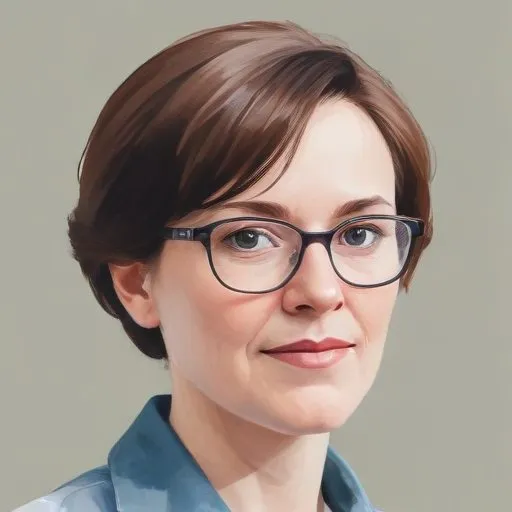
Linda Partridge: A Pioneering Geneticist in the Realm of Biogerontology
Unraveling the Mysteries of Aging and Age-Related Diseases
Professor Dame Linda Partridge is a distinguished British geneticist renowned for her groundbreaking contributions to the field of biogerontology, specifically in the biology and genetics of aging and age-related diseases such as Alzheimer's and Parkinson's. As a leading authority in her field, Partridge has dedicated her career to understanding the complex mechanisms underlying the aging process, with the ultimate goal of improving human health and longevity.
Early Life and Education
Partridge was born on 18 March 1950 and educated at the Convent of the Sacred Heart School in Tunbridge Wells. She later pursued her higher education at the University of Oxford, where she was awarded a Master of Arts and a Doctor of Philosophy degree.
Career Highlights and Major Works
Following her DPhil, Partridge embarked on a prestigious academic journey, holding various esteemed positions at prominent institutions. Some of her notable appointments include:
- NERC postdoctoral fellow at the University of York
- Professor of Evolutionary Biology at the University of Edinburgh
- Weldon Professor of Biometry at the Institute of Healthy Ageing, University College London (UCL)
- Founding Director Emeritus of the Max Planck Institute for the Biology of Ageing in Cologne, Germany
Her research has primarily focused on understanding the molecular mechanisms underlying aging and age-related diseases, with a particular emphasis on the role of genetics and environmental factors.
Awards and Honors
Partridge's outstanding contributions to the field of biogerontology have been recognized with numerous awards and honors, including:
- Fellow of the Royal Society (1996)
- Commander of the Order of the British Empire (CBE, 2003)
- Fellow of the Academy of Medical Sciences (2004)
- Darwin-Wallace Medal from the Linnean Society of London (2008)
- Dame Commander of the Order of the British Empire (DBE, 2009)
- Croonian Lectureship from the Royal Society (2009)
Influence on Modern Society and Historical Context
Partridge's work has far-reaching implications for our understanding of human aging and has the potential to inform strategies for healthy aging and the prevention of age-related diseases. Her research has contributed significantly to the development of the field of biogerontology, paving the way for future generations of scientists to build upon her findings.
Personal Milestones and Key Life Events
Partridge's personal and professional life has been marked by several key milestones, including her marriage to Michael J. Morgan, also a Fellow of the Royal Society (FRS). Her appointment as one of six Women of Outstanding Achievement in Science, Engineering, and Technology by the UKRC in 2009 is a testament to her dedication to her field and her status as a role model for women in STEM.
Philosophical Contributions and Beliefs
Partridge's work is underpinned by a deep understanding of the intricate relationships between genetics, environment, and aging. Her research embodies a commitment to advancing our knowledge of human aging, with the ultimate goal of improving human health and quality of life.
Legacy and Impact on the Field
As a pioneer in the field of biogerontology, Partridge's contributions have left an indelible mark on our understanding of aging and age-related diseases. Her work continues to inspire and inform future generations of scientists, ensuring that her legacy will be felt for years to come.
FAQ
What is Linda Partridges most significant research contribution?
Linda Partridge is highly regarded for her work on the biology of aging, particularly her research on the genetics of lifespan and aging in fruit flies.
What awards has Linda Partridge won?
Linda Partridge has received several awards for her contributions to the field of genetics, including the Waddington Medal and the Royal Societys Croonian Lecture.
What is Linda Partridges current research focus?
Linda Partridge is currently researching the mechanisms underlying aging and age-related diseases, with a focus on the role of nutrient sensing pathways and insulin signaling.
What is Linda Partridges academic background?
Linda Partridge holds a Bachelors degree from the University of Oxford and a Ph.D. from the University of Edinburgh.
What is Linda Partridges role in the scientific community?
Linda Partridge is a prominent figure in the scientific community, having served as the Director of the Max Planck Institute for Biology of Ageing and as a Fellow of the Royal Society.