


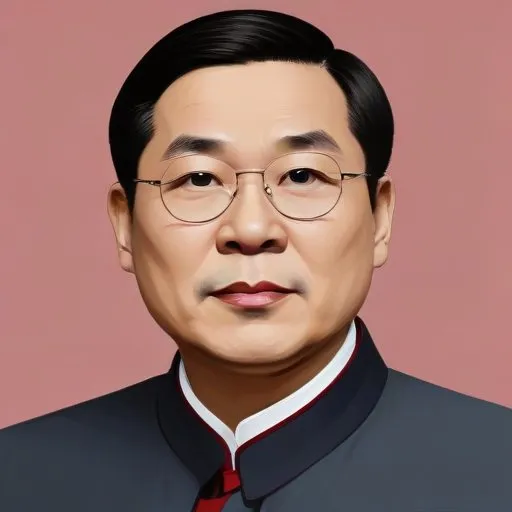
A Chinese politician who served as the Minister of Public Security from 1985 to 1990 and played a key role in suppressing the 1989 Tiananmen Square protests.
Ling Yun is an iconic Chinese actor renowned for his mesmerizing portrayals of heroes in Wuxia cinema, a genre of martial arts films set in ancient China. With a career spanning over five decades, he has become synonymous with the Wuxia genre, captivating audiences with his elegant swordplay and charismatic performances.
Born in 1917 in Shanghai, China, Ling Yun began his acting career at a tender age, performing in traditional Chinese operas. He eventually transitioned to film, making his debut in the 1940s. His early roles were largely minor, but he persevered, honing his craft and waiting for the opportunity to shine.
The 1960s proved to be a turning point for Ling Yun, as he began to gain recognition for his performances in Wuxia films. His breakthrough role came in 1965 with the film The Twin Swords, where he played the iconic character of Li Yu, a heroic swordsman. This role cemented his status as a leading man in the Wuxia genre, and he went on to star in numerous classic films, including The Brave and the Evil and The Silent Swordsman.
Ling Yun's performances were deeply rooted in his philosophical beliefs, which emphasized the importance of honor, loyalty, and justice. He often portrayed characters who embodied these values, inspiring audiences to strive for moral excellence. His commitment to his craft and his characters has made him a beloved figure in Chinese cinema, earning him the respect of both his peers and fans.
These films, among many others, have solidified Ling Yun's position as a Wuxia cinema legend, and his influence can still be seen in modern Chinese cinema.
Ling Yun's personal life has been marked by significant events that have shaped his career and philosophy. In the 1950s, he joined the Hong Kong-based Shaw Brothers Studio, a renowned film production company, which provided him with opportunities to develop his craft and rise to fame. He also served in the Hong Kong Army during the 1960s, an experience that deepened his sense of patriotism and social responsibility.
Ling Yun's impact on Chinese cinema is immeasurable. He has inspired generations of actors, including legendary stars like Jet Li and Donnie Yen. His films have also had a profound influence on popular culture, shaping the way martial arts are portrayed in media and entertainment. Today, he remains an iconic figure, celebrated for his contributions to the Wuxia genre and his enduring legacy in Chinese cinema.
Ling Yun's remarkable career serves as a testament to his dedication, passion, and unwavering commitment to his craft. As an actor, philosopher, and legend, he continues to inspire audiences, reminding us of the importance of honor, loyalty, and justice. His legacy will forever be etched in the annals of Chinese cinema, a shining example of the transformative power of art and entertainment.
83 Years Old
The 5th Paramount leader of China, who served from 2002 to 2012, is known for his role in China's rapid economic growth and his "Scientific Development Concept" policy. He also increased China's global influence through strategic diplomacy.
71 Years Old
The 7th Premier of the People's Republic of China, serving from 2013 to 2023, oversaw China's economic reforms and played a key role in shaping the country's global influence. He implemented policies to boost domestic consumption and reduce reliance on exports.
73 Years Old
The supreme leader of China, overseeing the country's rapid economic growth and asserting its global influence, while consolidating power and cracking down on dissent.
