


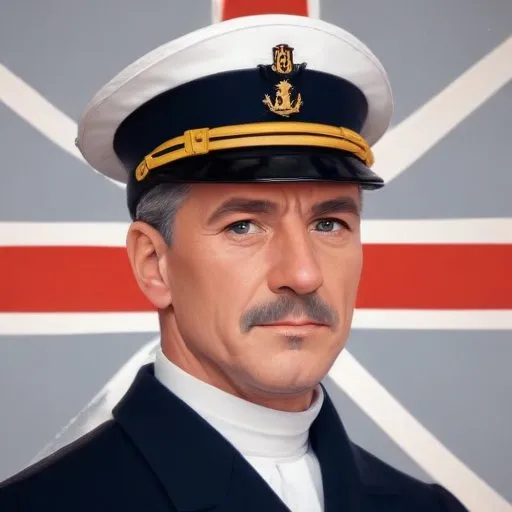
A pioneering figure in yacht design, credited with creating innovative and influential sailing vessels that transformed the sport.
Linton Hope, a British sailor, etched his name in the annals of history by winning two gold medals at the 1900 Summer Olympics in Meulan, France. This remarkable feat, achieved with his crewmates Lorne Currie, John Gretton, and Algernon Maudslay, solidified his position as a master of the seas.
Born on April 18, 1863, in Macclesfield, Cheshire, Linton Chorley Hopps, later changed to Hope, was destined for greatness. He married Mabel Ellington in 1898, and the couple had two children, with their son, Eustace Jack Linton Hope, tragically losing his life in action during World War II as a Group Captain in the Royal Air Force.
Hope's professional journey was marked by his innovative designs, which transcended national boundaries. He created an array of yachts, including the Fairy One Design for the North of Ireland Yacht Club, international canoes, Thames Raters, and Half Raters, which were exported to India, specifically for the Malabar, Nainital, and Rangoon Yacht Clubs. The Scotia, designed by Hope, played a pivotal role in his Olympic triumphs.
Hope's Olympic victories in the .5 to 1 ton class and the Open class, along with his crewmates, cemented his reputation as a sailing prodigy. This achievement caught the attention of the King of the Belgians, who appointed Hope as his naval architect. This royal recognition was a testament to Hope's exceptional skills and dedication to his craft.
In 1915, Hope designed the AD Flying Boat for the British Admiralty's Air Department, marking a significant milestone in aviation history. His hull designs were later incorporated into various British flying boats in the 1920s, including the Phoenix P.5 Cork and Fairey Titania, the largest flying boat in the world at the time.
Linton Hope's legacy extends beyond his Olympic triumphs and innovative designs. His contributions to naval architecture and aviation have left an indelible mark on the world of sailing and flying. As a trailblazer, he inspired generations of sailors, designers, and engineers to push the boundaries of human achievement.
Born in 1901
A pioneering solo sailor who circumnavigated the globe, achieving remarkable feats in navigation and endurance.
87 Years Old
The first person to sail solo and non-stop around the world, completing a remarkable 312-day journey in 1969. This feat showcased incredible seamanship, courage, and endurance.
Born in 1844
First solo sailor to circumnavigate the globe, documenting his journey in the classic book "Sailing Alone Around the World".
50 Years Old
A renowned sailor who broke multiple records for solo circumnavigations of the globe, inspiring a new generation of sailors and environmental activists.
49 Years Old
Most decorated Olympic sailor in history, winning five medals including four golds, and leading Oracle Team USA to a stunning comeback victory in the 2013 America's Cup .
Born in 1922
The 36th Governor of Illinois, a prominent figure in state politics, is most known for his progressive reforms and efforts to improve education and labor laws. He played a significant role in shaping the state's development during the early 20th century.
