


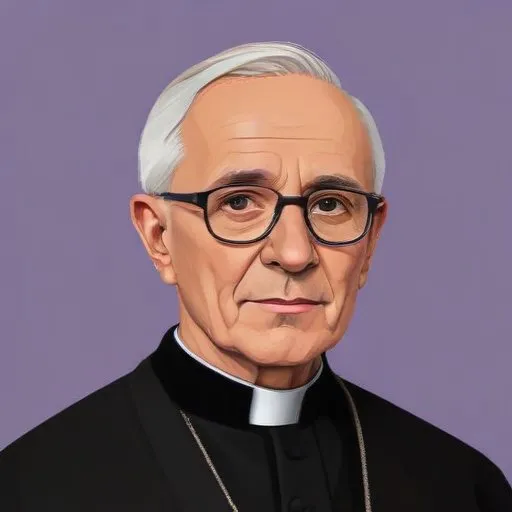
A Canadian priest and historian who wrote extensively on French-Canadian history and identity, shaping the country's national narrative.
Lionel Groulx, a Canadian Roman Catholic priest, historian, and public intellectual, is best known for his tireless efforts to promote Quebec nationalism and preserve the province's unique identity. Through his writings, teachings, and public engagements, Groulx sought to instill a sense of pride and self-awareness among Quebecers, emphasizing the importance of their history, language, and culture.
Born Joseph Adolphe Lyonel Groulx on January 13, 1878, in Vaudreuil, Quebec, Groulx was the son of a farmer and lumberjack. He was ordained to the priesthood on June 28, 1903, after completing his seminary training and studies in Europe. Groulx went on to teach at Valleyfield College in Salaberry-de-Valleyfield and later at the Université de Montréal.
In 1917, Groulx co-founded the monthly journal Action Française, becoming its editor in 1920. This publication served as a platform for Groulx to promote his nationalist ideology, emphasizing the importance of preserving Quebec's French language, culture, and traditions.
Groulx was one of the first Quebec historians to study Confederation, highlighting the recognition of Quebec rights and minority rights. He believed that the combination of corrupt political parties and French Canadian minority status in the Dominion had failed to deliver on these promises. Groulx argued that only through national education and the Quebec government could the economic and social inferiority of French Canadians be repaired.
Groulx's focus was on restoring Quebeckers' pride in their identity by promoting knowledge of their history, including the heroic acts of New France and the French Canadian and self-government rights obtained through a succession of important political victories. He emphasized the significance of the Quebec Act (1774), responsible government (1848), and the autonomy of the province of Quebec (1867).
Groulx was a proponent of ultramontanism, which emphasized the authority of the Pope and the Catholic Church. He believed in the importance of preserving Quebec's Catholic heritage and promoting the province's unique cultural identity.
Lionel Groulx's contributions to Quebec's cultural and intellectual heritage are undeniable. Through his writings, teachings, and public engagements, he inspired generations of Quebecers to take pride in their identity and fight for their rights. Groulx's legacy continues to shape Quebec's society, politics, and culture to this day.
"La liberté de penser est la plus grande de toutes les libertés" ("The freedom to think is the greatest of all freedoms").
Lionel Groulx's life and work were deeply rooted in the historical context of Quebec's struggle for identity and autonomy. His contributions continue to inspire and influence Quebec's cultural, political, and intellectual landscape.
Groulx's emphasis on preserving Quebec's unique identity and promoting national pride has had a lasting impact on Quebec's society and politics. His ideas continue to shape the province's cultural and intellectual landscape, inspiring future generations to take pride in their heritage.
Born in 1868
A French-Canadian publisher and politician who advocated for Canadian autonomy and opposed British imperialism, known for his influential writings and speeches that shaped Canadian nationalism.
Born in 1854
Co-founder of a Canadian financial cooperative, credited with establishing a network of credit unions and banks that serve local communities. Known for pioneering accessible banking services for the working class.
Born in 1909
A Canadian media mogul who built a business empire through newspaper acquisitions and was a prominent journalist, known for his influential editorial opinions.
