


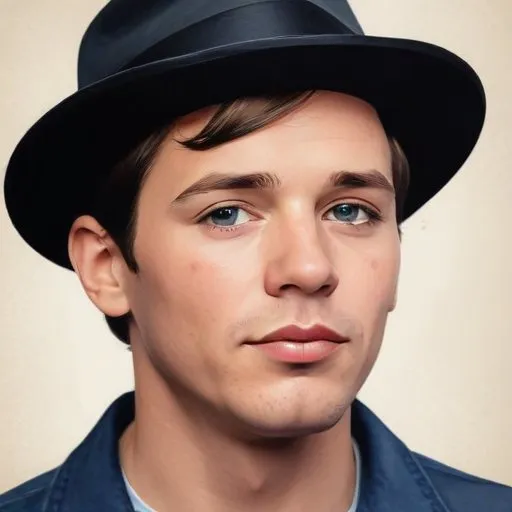
A pioneering R&B singer-songwriter, known for his smooth, soulful voice and hit song "Peanuts" that became a 1950s dance craze.
Known for his soaring falsetto and unmistakable stage presence, Little Joe Cook was a pivotal figure in the development of rhythm and blues music in the 1950s. As the lead singer of Little Joe and the Thrillers, he scored a major hit with the song "Peanuts," which reached No. 22 on the Billboard Top 100 in 1957.
Born on December 29, 1922, in South Philadelphia, Cook grew up surrounded by music. His mother, Annie Hall, was a locally renowned blues singer, and his grandmother was a Baptist preacher. At the tender age of 12, Cook formed a gospel vocal quartet, the Evening Stars, with three cousins, which had a one-hour weekly radio show in Philadelphia.
In the early 1950s, Cook made the bold decision to transition from gospel to secular rhythm and blues music. He formed a new doo-wop vocal group, the Thrillers, with fellow members Farrie Hill, Richard Frazier, Donald Burnett, and Henry Pascal. The group won a contract with OKeh Records in 1956 and released their first single, "Do the Slop," which became a regional hit in Philadelphia and New York City.
It was Cook's falsetto singing style that truly set him apart, and it was showcased to perfection in the Thrillers' second single, "Peanuts." Written by Cook himself, the song's catchy melody and infectious rhythm made it an instant hit, propelling the group to national fame with an appearance on American Bandstand and a Top 25 spot on the national pop chart.
Little Joe Cook's impact on rhythm and blues music cannot be overstated. His falsetto singing style has been cited as an influence by notable singers such as Frankie Valli and Lou Christie. The Thrillers' music also captured the essence of the emerging doo-wop genre, paving the way for future generations of vocal groups.
Although Little Joe Cook did not receive any major awards or honors during his lifetime, his contribution to rhythm and blues music has been recognized by music historians and enthusiasts alike. His legacy continues to inspire new generations of musicians and fans.
In conclusion, Little Joe Cook's remarkable talent, charismatic stage presence, and enduring music legacy have cemented his place as one of the most influential figures in rhythm and blues history.
97 Years Old
A rock 'n' roll pioneer who blended blues, R&B, and rock to create a unique sound, influencing many famous musicians with his innovative guitar playing and songwriting style.
99 Years Old
Rock 'n' roll pioneer who wrote and performed iconic hits like "Johnny B. Goode" and "Maybellene", blending country, blues, and rhythm to create a unique sound.
93 Years Old
A flamboyant and charismatic rock 'n' roll pioneer, known for hits like "Tutti Frutti" and "Good Golly Miss Molly", blending gospel, blues, and boogie-woogie styles.
98 Years Old
A legendary singer-songwriter and pianist who blended boogie-woogie piano with rhythm and blues to create a unique sound, known for hits like "Blueberry Hill" and "Ain't That a Shame".
95 Years Old
A legendary musician who pioneered soul music, blending gospel, blues, and jazz to create a unique sound, and is iconic for his smooth, soulful voice and hit songs like "What'd I Say" and "Georgia on My Mind".
95 Years Old
Pioneering soul and R&B vocalist, known for smooth, velvety voice and iconic hits like "A Change Is Gonna Come" and "You Send Me".
Born in 1920
The "Godfather of Soul" was a legendary musician and performer who revolutionized funk and soul music with his unique sound and energetic stage presence. He is most known for his iconic hits like "I Got You" and "Papa's Got a Brand New Bag".
88 Years Old
A legendary blues singer known for her powerful, soulful voice and classic hits like "At Last" and "I'd Rather Go Blind".
