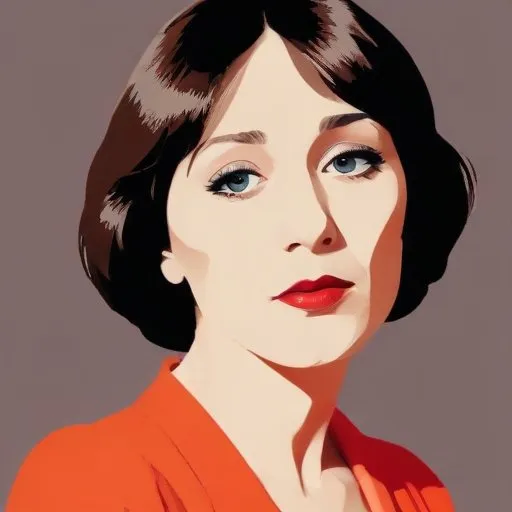
Lotte Lenya: The Siren of Weimar Republic and Hollywood Glamour
A Celebrated Singer, Actress, and Doyenne of German Cabaret
Lotte Lenya, born Karoline Wilhelmine Charlotte Blamauer, was an Austrian-American singer, diseuse, and actress who left an indelible mark on the world of classical music, film, and theatre. She is perhaps best remembered for her iconic performances of the songs of her first husband,
Kurt Weill, and her striking screen presence in Hollywood classics like
The Roman Spring of Mrs. Stone and
From Russia with Love.
Early Career and Rise to Fame
In 1922, Lenya's audition for Kurt Weill's stage score
Zaubernacht led to her discovery by the composer himself, but she declined the role due to her loyalty to her voice coach. However, she soon found herself at the forefront of the German avant-garde movement, starring in the groundbreaking production of
The Threepenny Opera in 1928. This pivotal role catapulted her to fame, solidifying her position as a leading lady of the Weimar Republic's cultural scene.
Brecht-Weill Collaborations and Exile to Paris
During the tumultuous final years of the Weimar Republic, Lenya collaborated with
Bertolt Brecht and Kurt Weill on several projects, including the iconic
The Seven Deadly Sins. As Nazi ideology gained momentum in Germany, Lenya, though not Jewish, sensed growing unease and eventually fled to Paris in 1933. In this city of artistic refuge, she continued to sing the leading role in
The Seven Deadly Sins, solidifying her reputation as a consummate performer.
New York City and Hollywood Stardom
In 1935, Lenya and Weill settled in New York City, where she began to explore new avenues in film and theatre. Her Academy Award nomination for
The Roman Spring of Mrs. Stone in 1961 marked a significant milestone in her Hollywood career, followed by her memorable portrayal of the sinister Rosa Klebb in the
James Bond classic
From Russia with Love in 1963.
Personal Milestones and Legacy
Throughout her eventful life, Lenya navigated the complexities of her relationship with Kurt Weill, experiencing both marriage and divorce. Despite the challenges, she remained a devoted interpreter of his work, recording numerous albums of his songs. Her legacy extends far beyond her impressive body of work, as she played a crucial role in introducing Weill's music to the American audience.
Influence on Modern Society and Pop Culture
Lenya's unique blend of European sophistication and Hollywood glamour continues to inspire artists and audiences alike. Her iconic performances in
The Threepenny Opera and
From Russia with Love have become cultural touchstones, influencing generations of performers and filmmakers. Her distinctive voice and style have been referenced and homaged in countless works of art, cementing her status as a cultural icon.
Awards and Honors
- Academy Award nomination for Best Supporting Actress for The Roman Spring of Mrs. Stone (1961)
- Golden Globe nomination for Best Supporting Actress for The Roman Spring of Mrs. Stone (1961)
Trivia and Fun Facts
- Lenya's distinctive voice was described by Kurt Weill as "a boulevard of broken dreams."
- She was known for her exceptional culinary skills and often hosted dinner parties for her friends and colleagues.
Legacy and Historical Context
Lotte Lenya's remarkable life and career serve as a testament to the power of artistic expression in the face of adversity. Her unwavering dedication to her craft and her unbridled passion for the music of Kurt Weill have left an indelible mark on the world of classical music, film, and theatre. As a pioneering figure in the history of entertainment, Lenya's legacy continues to inspire and captivate audiences today.
FAQ
What was Lotte Lenyas most famous role?
Lotte Lenya is best known for her iconic performance as Jenny in Bertolt Brechts The Threepenny Opera. Her distinctive voice and unique stage presence made her a compelling performer, and she became closely associated with the role.
What was Lotte Lenyas relationship with Bertolt Brecht?
Lotte Lenya was not only a frequent collaborator with Bertolt Brecht but also his wife from 1922 to 1927. The two artists shared a deep creative and personal bond, and Brecht often wrote roles specifically for Lenya.
What was Lotte Lenyas contribution to the development of Weimar Republics cabaret culture?
Lotte Lenya was a key figure in the development of the Weimar Republics vibrant cabaret culture. Her performances in cabarets and theaters helped to popularize the work of Brecht, Kurt Weill, and other avant-garde artists.
How did Lotte Lenyas exile in the United States affect her career?
Lotte Lenyas exile in the United States during World War II led to a shift in her career, as she began to focus more on film and television work. She appeared in several notable films, including The Roman Spring of Mrs. Stone and From Russia with Love.
What is Lotte Lenyas legacy in the world of music and theater?
Lotte Lenyas legacy is that of a pioneering artist who helped to shape the development of modern music theater. Her unique voice, style, and collaborations with Brecht and Weill continue to inspire new generations of artists and audiences alike.