


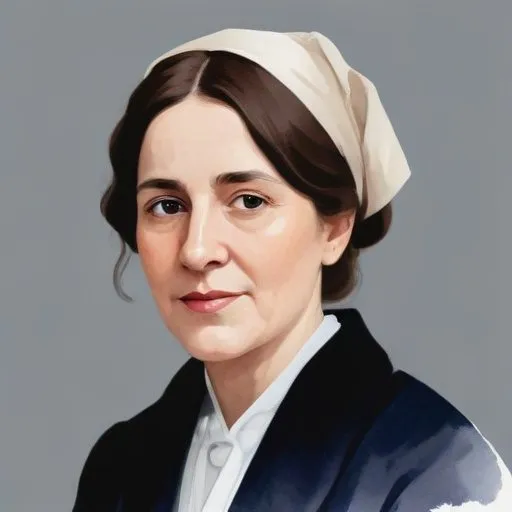
A pioneering voice in American literature, this poet, essayist, and literary critic championed women's rights and social justice through her powerful writings. Her works continue to inspire and educate readers today.
Louisa Jane Hall, a renowned American poet, essayist, and literary critic, left an indelible mark on the literary landscape of the 19th century. Her most notable work, Miriam, a Dramatic Sketch, published in 1836, showcased her exceptional talent and secured her place among the prominent literary figures of her time.
Born on February 7, 1802, in Newburyport, Massachusetts, Louisa Jane Park was the daughter of Dr. John Park and Louisa Adams Park. Her father, a physician-turned-editor, played a significant role in shaping her early education. When Louisa was just two years old, her father abandoned his medical practice to edit the NewEngland Repertory, a leading political journal of the Federal party. This decision not only exposed Louisa to the world of literature and politics but also laid the foundation for her future literary pursuits.
Louisa's literary career began in earnest when her poems were anonymously published in the Literary Gazette and other periodicals. Her poetry and prose works showcased her exceptional talent, and it wasn't long before she gained recognition. Miriam, a Dramatic Sketch, her most celebrated work, was written between 1826 and 1827 and published ten years later. This verse play, which explored themes of love, sacrifice, and redemption, solidified her position as a prominent literary figure.
Her other notable works include Joanna of Naples, an Historical Tale (1838) and Hannah, the Mother of Samuel the Prophet and Judge of Israel (1839). The latter, a verse play, demonstrated her ability to craft compelling narratives that explored the human experience.
In 1831, Louisa and her father moved to Worcester, Massachusetts, where they lived together until her marriage to Rev. E. B. Hall of Providence, Rhode Island, in October 1840. This union marked a significant turning point in her life, as she embarked on a new chapter, balancing her literary pursuits with her domestic responsibilities.
Louisa Jane Hall's contributions to American literature are undeniable. Her poetry and prose works not only showcased her exceptional talent but also paved the way for future generations of women writers. Her dedication to her craft and her perseverance in the face of adversity serve as a testament to her unwavering commitment to the world of literature.
Today, Louisa Jane Hall is remembered as a trailblazer who defied convention and forged her own path in a male-dominated literary landscape. Her works continue to inspire and delight readers, ensuring her legacy as one of the most significant literary figures of 19th-century America.
Born in 1830
A reclusive poet who crafted innovative, enigmatic, and emotionally charged verse that continues to captivate readers with its unique style and profound insights.
Born in 1803
A leading figure in the Transcendentalist movement, he advocated for individualism, self-reliance, and nature-inspired spirituality through his essays and poetry. His ideas continue to influence American thought and culture.
Born in 1817
A 19th-century thinker who advocated for simple living, civil disobedience, and individualism, inspiring generations to reevaluate their relationship with nature and society.
Born in 1819
A celebrated poet, essayist, and journalist who revolutionized American literature with his collection "Leaves of Grass", known for his free verse style and celebration of the human spirit.
Born in 1809
A master of dark and atmospheric storytelling, crafting haunting tales of mystery and horror that continue to captivate readers to this day.
Born in 1819
Author of epic sea tales and philosophical explorations, including the iconic "Moby-Dick", which continues to influence literature and popular culture.
Born in 1804
Author of dark, psychologically complex tales that explore the human condition, often set in 17th-century New England, and known for his masterpiece "The Scarlet Letter".
Born in 1794
A prominent 19th-century poet and journalist, known for his romantic and nature-inspired poetry, as well as his influential editorship of the New York Evening Post.
