


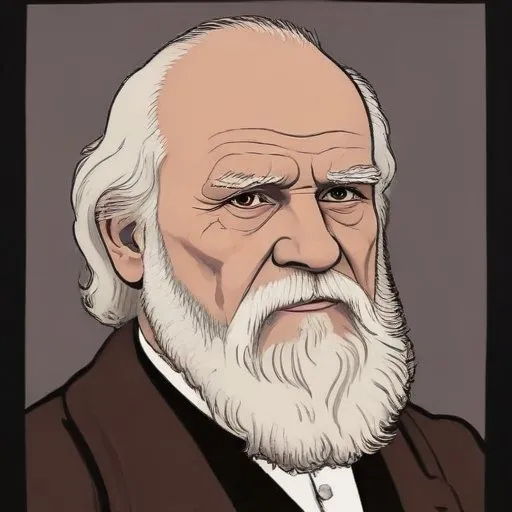
A prominent 19th-century poet and journalist, known for his romantic and nature-inspired poetry, as well as his influential editorship of the New York Evening Post.
William Cullen Bryant, a stalwart of American poetry, is revered for his accessible and popular verse that resonated with the masses. As one of the most significant poets of early literary America, Bryant's work echoes through the ages, earning him a place among the esteemed Fireside Poets.
Born on November 3, 1794, in a humble log cabin near Cummington, Massachusetts, Bryant's upbringing was marked by simplicity and a strong connection to nature. His father, Peter Bryant, a physician and later a state legislator, and mother, Sarah Snell, instilled in him a love for literature and the arts.
Bryant's fascination with poetry began at an early age, and he started writing verses as a teenager. His early works, though not widely recognized, demonstrated a deep understanding of nature and human emotions. His poem "Thanatopsis," penned in 1811, brought him national attention and established him as a rising star in American poetry.
In 1825, Bryant relocated to New York City, where he became an editor of two prominent newspapers, the New York Evening Post and the United States Review. This marked a significant turning point in his career, as he used his journalistic platform to nurture American literature and promote fellow writers.
Bryant's poetry, characterized by simplicity, clarity, and a strong sense of morality, earned him the moniker "The Fireside Poet." His works, such as "To a Waterfowl" and "The Prairies," explored the beauty of nature and the human experience, resonating with audiences from all walks of life.
Bryant's contributions to American literature extend beyond his poetry. He played a crucial role in shaping the country's cultural identity, promoting education, and advocating for social reform. His commitment to the abolition of slavery and his advocacy for women's rights demonstrate his dedication to creating a more just and equitable society.
Bryant's influence on American literature is immeasurable. He paved the way for future generations of poets, including Walt Whitman and Emily Dickinson, and played a crucial role in shaping the country's cultural identity. His legacy continues to inspire writers, educators, and social reformers to this day.
As we reflect on Bryant's remarkable life and contributions, we are reminded of the power of poetry to connect us, to inspire us, and to challenge us to create a better world. William Cullen Bryant's enduring legacy is a testament to the transformative power of art and the human spirit.
Born in 1783
Author of the iconic tales "The Legend of Sleepy Hollow" and "Rip Van Winkle", credited with creating the first American folklore and shaping the country's literary identity.
Born in 1803
A leading figure in the Transcendentalist movement, he advocated for individualism, self-reliance, and nature-inspired spirituality through his essays and poetry. His ideas continue to influence American thought and culture.
Born in 1817
A 19th-century thinker who advocated for simple living, civil disobedience, and individualism, inspiring generations to reevaluate their relationship with nature and society.
Born in 1809
A master of dark and atmospheric storytelling, crafting haunting tales of mystery and horror that continue to captivate readers to this day.
Born in 1819
Author of epic sea tales and philosophical explorations, including the iconic "Moby-Dick", which continues to influence literature and popular culture.
Born in 1804
Author of dark, psychologically complex tales that explore the human condition, often set in 17th-century New England, and known for his masterpiece "The Scarlet Letter".
Born in 1830
A reclusive poet who crafted innovative, enigmatic, and emotionally charged verse that continues to captivate readers with its unique style and profound insights.
Born in 1819
A celebrated poet, essayist, and journalist who revolutionized American literature with his collection "Leaves of Grass", known for his free verse style and celebration of the human spirit.
