


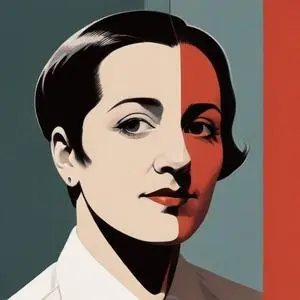
A pioneering figure in modern art, known for blending traditional mediums with industrial materials and techniques to create innovative, avant-garde works that explored the intersection of art and technology.
László Moholy-Nagy was a Hungarian painter, photographer, and professor who left an indelible mark on modern art. As a relentless experimenter, he pioneered various mediums, including painting, drawing, photography, collage, sculpture, film, theater, and writing, earning him recognition as a true Renaissance man.
Moholy-Nagy was born László Weisz in Bácsborsod, Hungary, to a Jewish family. His mother's second cousin was the renowned conductor Sir Georg Solti. After his father abandoned the family, Moholy-Nagy's maternal uncle, Gusztáv Nagy, supported his education. He took the Magyar surname of his mentor and later added Moholy, after the town of Mohol, where he spent part of his childhood.
Moholy-Nagy's artistic journey began with painting and drawing, but he soon explored photography, which became a cornerstone of his work. His photographs, characterized by innovative techniques and abstract compositions, garnered international acclaim. He was also a prolific writer, penning books and articles that advocated for a utopian approach to high modernism.
Moholy-Nagy's work had a profound impact on modern art, design, and culture. His emphasis on experimentation and innovation paved the way for future generations of artists, designers, and architects. His legacy can be seen in various aspects of modern society, from graphic design to industrial design, and from architecture to photography.
In 1921, Moholy-Nagy married Lucia Schulz, a German photographer who would become his collaborator and partner in art. The couple had two daughters, but their marriage ended in divorce in 1929. In 1935, Moholy-Nagy married Sibyl Moholy-Nagy, a writer and artist who would become his partner for the rest of his life.
Moholy-Nagy's artistic philosophy was rooted in his belief in the power of technology and industry to shape modern society. He advocated for a utopian approach to high modernism, which he saw as a means of creating a better world through the integration of art, technology, and industry.
László Moholy-Nagy's remarkable life and career have left an indelible mark on modern art and culture. His relentless experimentation, innovative style, and utopian vision continue to inspire artists, designers, and thinkers around the world.
As the art critic Peter Schjeldahl so aptly put it, "Moholy-Nagy's work is a testament to the power of art to shape our understanding of the world and ourselves."
Born in 1883
A pioneer of modernist architecture, he designed iconic buildings that blended functionality with aesthetics, including the John F. Kennedy Federal Building. His work continues to inspire architects and designers today.
Born in 1902
A pioneering architect and academic who designed iconic buildings, including the Ameritrust Tower, blending modernism with functionality. Known for his innovative use of materials and minimalist style.
Born in 1886
A pioneering architect who revolutionized modern skyscraper design with sleek, minimalist, and functional buildings that redefined urban landscapes. His iconic creations continue to inspire architects and influence city skylines.
Born in 1888
A pioneering artist and educator who explored the properties of color and its effects on human perception through his work, creating a new language of art.
Born in 1900
A pioneering graphic designer, painter, and photographer who merged art and technology to create visually striking and influential works, particularly in typography and corporate branding.
Born in 1879
A Swiss-German artist and educator who blended fantasy and reality in his vibrant, whimsical paintings, exploring the emotional and expressive qualities of color. His unique style has inspired generations of artists.
