


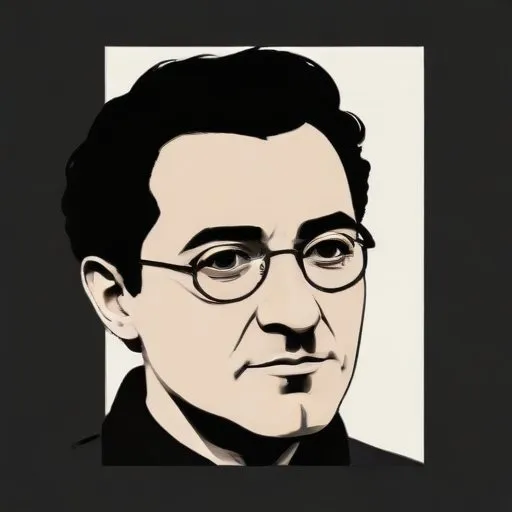
A renowned composer of the late Renaissance, he crafted intricate, expressive madrigals that showcased his mastery of harmony and counterpoint, influencing generations of musicians.
Luca Marenzio, a renowned Italian composer and singer of the late Renaissance, is celebrated for his profound contributions to the world of music, particularly in the realm of madrigals. With an impressive repertoire of over 500 madrigals, Marenzio's works showcase his mastery of wordpainting, chromaticism, and other characteristics that define the late madrigal style.
Born in Coccaglio, a small town near Brescia, in 1553 or 1554, Marenzio was the youngest of seven children to a poor family. His father, a notary clerk in Brescia, played a significant role in nurturing Marenzio's early interest in music. According to biographer Leonardo Cozzando, Marenzio may have received early musical training under Giovanni Contino, who was maestro di cappella at Brescia Cathedral from 1565 to 1567.
Marenzio's musical journey began in Brescia, where he may have honed his skills under Contino's guidance. He later moved to Mantua, where he spent five years serving the Gonzaga family. This period proved pivotal in shaping Marenzio's compositional style, which would later earn him widespread recognition. In 1578, he joined the service of Cardinal Cristoforo Madruzzo in Rome, where he worked as a singer until July of that year.
Marenzio's madrigals, characterized by their lightness, seriousness, and innovative use of wordpainting and chromaticism, revolutionized the genre. His works range from the simplest to the most complex, showcasing his versatility and mastery. Marenzio's influence extended beyond Italy, with his earlier works appearing in England's Musica Transalpina, a collection that sparked the madrigal craze in the country.
Marenzio's career was marked by his associations with prominent aristocratic families, including the Gonzaga, Este, and Medici. These patronages not only provided financial stability but also enabled him to refine his craft, drawing inspiration from the cultural and artistic flavors of each household.
Marenzio's contributions to the world of music are multifaceted. He not only elevated the madrigal genre but also inspired a generation of composers, including the celebrated Monteverdi. Marenzio's works continue to be celebrated for their beauty, elegance, and emotional depth, ensuring his legacy as one of the most significant composers of the late Renaissance.
"The soul of music is not in the notes, but in the spaces between them." - attributed to Luca Marenzio
As we delve into the world of Luca Marenzio, we are reminded of the power of music to transcend time and space, leaving an indelible mark on human culture. Marenzio's legacy continues to inspire generations, cementing his place as one of the most celebrated composers of the late Renaissance.
Born in 1567
A Baroque music pioneer who revolutionized the opera and sacred music genres with innovative harmonies and orchestration, leaving an indelible mark on classical music.
Born in 1585
A renowned Baroque composer and organist, known for his contributions to the development of the oratorio and passion genres, creating over 500 works that showcased his mastery of choral music.
