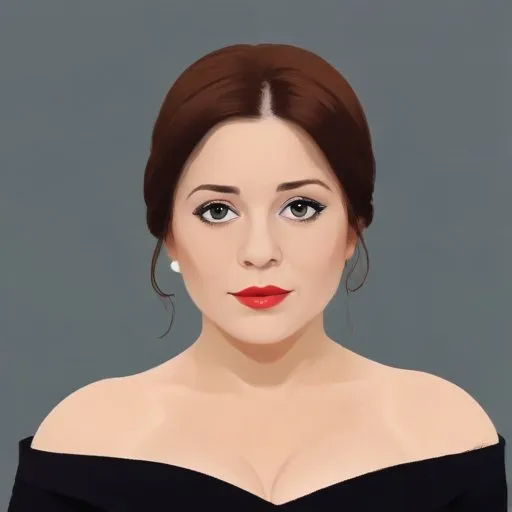
A Legendary Voice and a Stellar Career>
Lucía Popp is renowned for her breathtaking soprano voice, which mesmerized audiences in iconic opera houses around the world, including the Vienna State Opera, the Metropolitan Opera, Covent Garden, and La Scala. This Slovak operatic soprano's career spanned over three decades, during which she effortlessly transitioned from soubrette to lyric coloratura soprano, leaving an indelible mark on the world of opera.
Early Life and Discovery of Talent>
Born on November 12, 1939, in Žorský Ves, Slovakia, Lucía Poppov (later known as Lucía Popp) was exposed to music from a young age. Her mother, a soprano, would often sing duets with her, fostering a deep love for music. Initially, Popp pursued medicine at the Bratislava University, but her true calling soon became apparent. While studying drama at the Academy of Performing Arts in Bratislava, her vocal talent was discovered when she was cast as Nicole in Le Bourgeois gentilhomme.
The Rise to Fame>
Popp's professional debut at 23 was as the Queen of the Night in Mozart's The Magic Flute in Bratislava. This role, which showcased her incredible vocal range, caught the attention of
Herbert von Karajan, who invited her to join the Vienna State Opera in 1963. She made her Royal Opera House debut in 1966 as Oscar in Verdi's Un ballo in maschera and her Metropolitan Opera debut in 1967 as the Queen of the Night in a production designed by
Marc Chagall.
Vocal Evolution and Expanding Repertoire>
As Popp entered her 30s, she began to transition from coloratura roles to lyric ones, demonstrating her remarkable vocal adaptability. By the 1980s, her voice had matured further, allowing her to take on more substantial roles such as Countess in Mozart's The Marriage of Figaro. This versatility earned her the title of Austrian Kammersängerin in 1979.
Recitalist and Lieder Singer>
Popp was not only a celebrated opera singer but also a highly acclaimed recitalist and lieder singer. Her repertoire included works by Mozart, Strauss, and Schubert, which she performed with unparalleled elegance and nuance.
Legacy and Accolades>
Throughout her illustrious career, Lucía Popp received numerous awards and accolades, including the title of Austrian Kammersängerin. Her legacy continues to inspire generations of opera singers, and her recordings remain a testament to her extraordinary talent.
Personal Life and Philanthropy>
Popp's personal life was marked by her dedication to her craft and her family. She was married to diplomat and musicologist, Klaus Richter, and was known for her charitable work, particularly in supporting young musicians.
Lucía Popp's remarkable journey, marked by her unwavering dedication, unparalleled talent, and generosity of spirit, has left an indelible mark on the world of opera.
FAQ
What was Lucia Popps vocal range?
Lucia Popp was a soprano with a remarkable vocal range, known for her clear and powerful voice. She sang a wide range of roles, from Mozart and Verdi to Strauss and Wagner.
How did Lucia Popp get her start in opera?
Lucia Popp began her opera career in the 1960s, singing small roles at the Vienna State Opera. She eventually landed leading roles and became a staple of the opera world, performing at top houses including the Metropolitan Opera and La Scala.
What were some of Lucia Popps most famous roles?
Lucia Popp was known for her performances in operas such as The Magic Flute, La Traviata, and Der Rosenkavalier. She was particularly celebrated for her portrayal of Mozarts Queen of the Night, which showcased her impressive vocal agility.
Did Lucia Popp have a career outside of opera?
In addition to her opera career, Lucia Popp was also a renowned concert singer, performing with top orchestras and conductors around the world. She also made several recordings, showcasing her vocal range and expressive abilities.
What awards did Lucia Popp win for her singing?
Lucia Popp won numerous awards for her singing, including the prestigious Grammy Award for Best Opera Recording. She was also awarded the title of Kammersängerin by the Austrian government, recognizing her contributions to the world of opera.