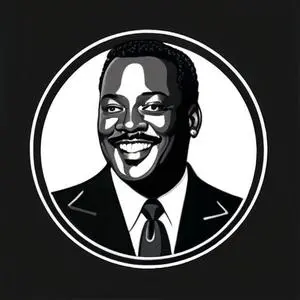
Luther Vandross: The Velvet Voice of Soul
A Legacy of Soulful Harmony
Luther Vandross was an American soul and R&B singer, songwriter, and record producer, renowned for his silky smooth vocals and impeccable songwriting skills. With a career spanning over three decades, Vandross achieved an unprecedented eleven consecutive RIAA-certified platinum albums, selling over 40 million records worldwide, earning him the moniker "The Velvet Voice."
Early Life and Career
Born Luther Ronzoni Vandross Jr. on April 20, 1951, in New York City, Vandross grew up in a musical family and was exposed to a wide range of genres from an early age. He began his music career as a backing vocalist in the 1970s, working with notable artists such as
Roberta Flack,
Donny Hathaway, and
David Bowie. In 1980, he became the lead singer of the group Change, releasing the Gold-certified album "The Glow of Love."
Solo Success and Chart-Topping Hits
Vandross's solo debut album "Never Too Much" was released in 1981, cementing his status as a solo artist. The album spawned the hit single "Never Too Much," which reached the top 10 on the Billboard Hot 100 chart. Throughout the 1980s and 1990s, Vandross continued to release a string of successful albums, including "Forever, For Always, For Love," " Busy Body," and "Dance with My Father," which earned him multiple Grammy Awards.
Duets and Collaborations
Vandross was known for his soulful collaborations with other artists. His iconic duets, such as "The Closer I Get to You" with Beyoncé, "Endless Love" with
Mariah Carey, and "The Best Things in Life Are Free" with
Janet Jackson, remain some of his most beloved hits.
Awards and Accolades
Throughout his career, Vandross received numerous accolades, including:
- Eight Grammy Awards
- Eleven consecutive RIAA-certified platinum albums
- Inducted into the National Rhythm & Blues Hall of Fame (2021)
- Named one of the 200 greatest singers of all time by Rolling Stone (2023)
- Named one of the 50 Great Voices by NPR
Philosophical Contributions and Beliefs
Vandross was an advocate for LGBTQ+ rights and was openly gay. His music often conveyed messages of love, hope, and acceptance, resonating with audiences from all walks of life.
Personal Milestones and Key Life Events
Vandross suffered a debilitating stroke in 2003, which left him partially paralyzed and unable to sing. Despite this setback, he continued to work on music, releasing "Dance with My Father" in 2004, which won the Grammy Award for Song of the Year.
Influence on Modern Society
Vandross's music has had a profound impact on contemporary R&B and soul. His influence can be heard in the work of artists such as
Alicia Keys, Usher, and
John Legend, among many others.
Legacy and Impact
Luther Vandross's remarkable career has left an indelible mark on the music industry. His legacy continues to inspire new generations of artists and fans alike, cementing his place as one of the greatest vocalists of all time.
Quotes and Memorable Sayings
"I think the most important thing in life is self-awareness. You have to know who you are and what you want." - Luther Vandross
FAQ
What is Luther Vandross most famous song?
Luther Vandross most famous song is Never Too Much, released in 1981, which was his debut single and reached No. 1 on the Billboard R&B chart.
What was Luther Vandross role in the music industry?
Luther Vandross was an American singer, songwriter, and record producer. He was a lead vocalist of the group Change and worked as a backing vocalist for several famous artists, including David Bowie, Donna Summer, and Chic.
What were Luther Vandross Grammy Awards?
Luther Vandross won eight Grammy Awards, including Best Male R&B Vocal Performance for Never Too Much, Superstar, and Here and Now.
What was Luther Vandross impact on R&B music?
Luther Vandross was a key figure in the development of contemporary R&B music, known for his smooth, soulful voice and sophisticated songwriting style, which has influenced many artists, including Boyz II Men and Usher.
How did Luther Vandross die?
Luther Vandross died on July 1, 2005, at the age of 54, due to complications from a stroke he had suffered two years earlier. Sub-question: What was the cause of Luther Vandross stroke? The cause of his stroke was high blood pressure and diabetes.