


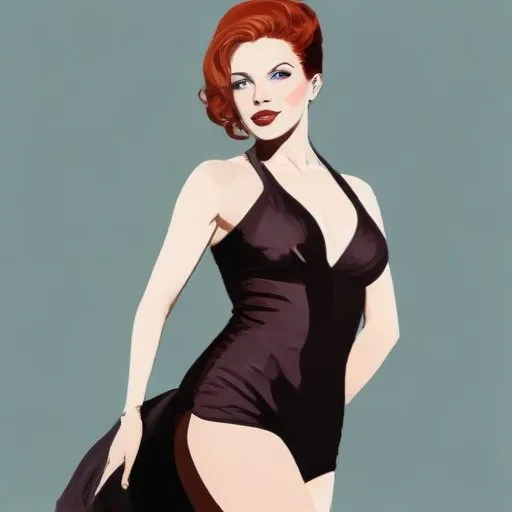
Known as the "Queen of Burlesque," Lydia Thompson was a trailblazing English dancer, comedian, actor, and theatrical producer who tantalized audiences on both sides of the Atlantic with her scandalous performances and daring style. Born Eliza Thompson on February 19, 1838, she was a true pioneer of the Victorian burlesque movement, introducing this provocative art form to America and leaving an indelible mark on the entertainment industry.
Thompson's entry into the world of theater was paved by her family's involvement in the performing arts. Her father, Philip Thompson, was the owner of a public house where theatrical performances were frequently held. After her father's death in 1842, her mother remarried, and Thompson was forced to fend for herself. By the age of 14, she had already joined the stage professionally as a dancer, displaying a fierce determination to succeed.
Thompson's early years as a performer were marked by her membership in the corps de ballet at Her Majesty's Theatre, London. She quickly advanced to playing solo roles, captivating audiences with her tantalizing performances in pantomimes and burlesques. Her breakout role came in 1854 with The Spanish Dancers, a burletta by Thomas Selby, where she played the famous dancer Señora Perea Nena. The Times praised her performance, noting that "the youth and beauty of Miss Thompson gave an additional charm to her Andalusian feats."
In 1868, Thompson assembled a troupe of talented performers, known as the British Blondes, and set her sights on America. Her arrival in New York City marked the beginning of a new era in American entertainment, as she introduced the Victorian burlesque to the American stage. Her performances were met with both acclaim and notoriety, with critics and audiences alike enthralled by her daring style and suggestive humor.
Thompson's performances were often met with moral outrage, with many deeming her shows too risqué for public consumption. However, this controversy only added to her allure, and she continued to push the boundaries of what was deemed acceptable on stage. Her innovative style and fearless approach to performance paved the way for future generations of performers, including the iconic Ziegfeld Follies.
Thompson's personal life was marked by her fierce independence and determination to succeed. She remained devoted to her craft, continuing to perform well into her later years. Her legacy extends far beyond her performances, as she helped to shape the course of entertainment history and pave the way for future generations of female performers.
In conclusion, Lydia Thompson's remarkable career serves as a testament to her unwavering dedication, boundless creativity, and trailblazing spirit. As the "Queen of Burlesque," she left an indelible mark on the entertainment industry, forever changing the face of Victorian-era entertainment.
Born in 1838
A renowned Victorian-era actor and theatre manager, known for his powerful stage presence and innovative productions that raised the standards of English theatre.
Born in 1847
A renowned stage actress of the late 19th and early 20th centuries, celebrated for her powerful performances in Shakespearean plays and her iconic beauty.
Born in 1854
A witty and flamboyant literary mastermind, renowned for crafting clever, humorous, and poignant works that continue to delight audiences with their clever wordplay and societal commentary.
Born in 1842
Wrote iconic operettas, such as "H.M.S. Pinafore" and "The Pirates of Penzance", that blended humor, satire, and memorable melodies, still widely performed and enjoyed today.
Born in 1836
A renowned creator of comedic operas, known for witty lyrics and absurd storylines that continue to delight audiences today.
