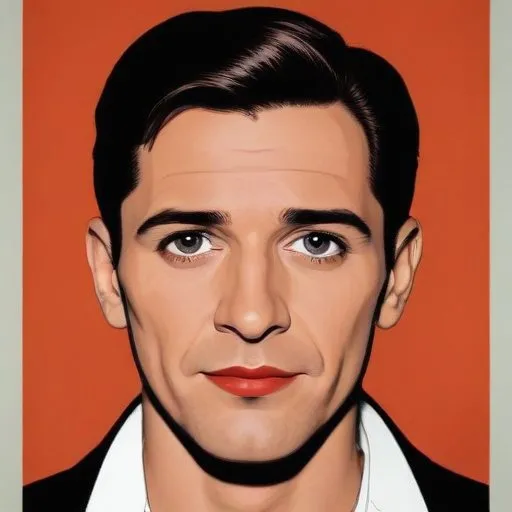
Lyle Bettger: The Prolific Character Actor of Hollywood's Golden Age
The Villainous Legend
Lyle Bettger was an American character actor renowned for his versatility in portraying villainous roles in Hollywood films and television, leaving an indelible mark on the cinematic landscape of the 1950s and beyond. With a career spanning over three decades, Bettger's distinctive talent for bringing complex, malevolent characters to life earned him a prominent position among the industry's most sought-after character actors.
Early Life and Education
Born on February 13, 1915, in Philadelphia, Pennsylvania, Bettger was the son of Frank Bettger, a professional baseball player who played for the St. Louis Cardinals, and Mertie Stathem Bettger. He graduated from the prestigious Haverford School in Haverford, Pennsylvania, and later attended the American Academy of Dramatic Arts in New York City, where he honed his acting skills.
Stage Credits and Early Beginnings
Bettger's theatrical debut took place in 1936 with the stage production of "Brother Rat" at the Biltmore Theatre in New York City. His subsequent Broadway credits include "Dance Night" (1938), "Summer Night" (1939), "The Flying Gerardos" (1940-1941), "The Moon Is Down" (1942), "All for All" (1943), "Oh, Brother" (1945), "John Loves Mary" (1947-1948), and "Love Life" (1948-1949). His impressive stage presence caught the attention of Paramount Pictures, which led to a three-year contract offer.
Film Career and Notable Roles
Bettger's film career began with his debut in "The Lie" (1949), followed by his breakout role as the villain in the film noir "No Man of Her Own" (1950). He went on to become a regular in Westerns, featuring in notable films such as "Denver and Rio Grande" (1952), "The Great Sioux Uprising" (1953), "Forbidden" (1953), "Drums Across the River" (1954), "Destry" (1955), and "Gunfight at the O.K. Corral" (1957). Bettger's portfolio is replete with memorable roles, including the menacing Joe Beacom in "Union Station" (1950) and the cold-blooded Nazi Chief Officer Kirchner in "The Sea Chase" (1955). One of his later notable roles was in the 1969 film "Impasse" as a bigoted World War II veteran.
Radio Appearances and Television Roles
In addition to his film credits, Bettger made appearances in various old-time radio programs, including "Grand Central Station." He also transitioned seamlessly to television, featuring in shows such as "The Lone Ranger" (1956).
Legacy and Impact
Lyle Bettger's remarkable career testifies to his ability to adapt to diverse roles, earning him a reputation as a master of villainous portrayals. His contributions to Hollywood's Golden Age have left an indelible mark on the cinematic landscape, cementing his status as a legendary character actor.
Personal Milestones and Later Life
Lyle Bettger passed away on September 24, 2003, leaving behind a rich legacy in the world of cinema. Throughout his life, he remained dedicated to his craft, perpetuating a tradition of exceptional character acting that continues to inspire actors and filmmakers alike.
FAQ
What were Lyle Bettgers most notable film roles?
Lyle Bettger was a prolific actor who appeared in numerous films, including The Greatest Show on Earth, Union Station, and The Set-Up. He often played villainous or authority figure roles.
What was Lyle Bettgers experience on stage?
Lyle Bettger began his career on stage, performing in various stock companies and touring productions. He made his Broadway debut in the 1940s and continued to work on stage throughout his career.
What were Lyle Bettgers notable television appearances?
Lyle Bettger made numerous television appearances, including guest roles on popular shows such as Bonanza, Gunsmoke, and Perry Mason. He was a familiar face on American television during the 1950s and 1960s.
How did Lyle Bettger balance his film and television work?
Lyle Bettger was able to balance his film and television work by being selective about his roles and dedicating specific periods to each pursuit. He would often alternate between film shoots and television productions, demonstrating his adaptability and range as an actor.
What is Lyle Bettgers legacy in American cinema?
Lyle Bettgers legacy in American cinema is one of versatility and reliability. He was a talented actor who brought depth and nuance to a wide range of roles, and he remains a beloved figure in the entertainment industry.