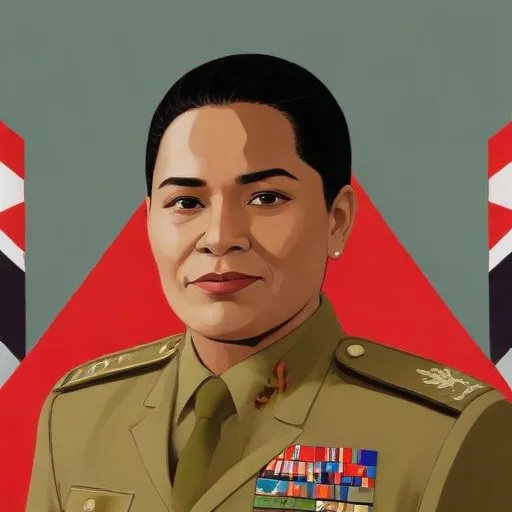
Maafu Tukuiaulahi: The Distinguished Tongan Politician and Military Officer
A Luminous Career in Politics and Military Service
Maafu Tukuiaulahi, also known as Lord Maafu of Vaini and Tokomololo, is renowned for his extensive contributions to Tongan politics and military service. As a member of the Tongan nobility, he held various prestigious positions, including Private Secretary to King Taufaahau Tupou IV and Minister for the Environment and Climate Change.
Early Life and Education
Born on July 1, 1955, in Tonga, Lausii was the son of Lord Maafu Tukuiaulahi, Tevita Unga Tangitau, and Hon. Peti Maafu nee Green. He embarked on his military journey in 1975, enrolling in the Tonga Defence Services, where he was commissioned as a Platoon Commander of the Tonga Royal Guards.
A Legacy in Military Service
Throughout his military career, Lausii rose through the ranks, serving as Commanding Officer of Land Force in 2000. His dedication and expertise earned him the position of Private Secretary to King Taufaahau Tupou IV from 2001 to 2006.
Political Pursuits and Ministerial Appointments
Lausii's entry into politics began in 2008, when he was elected as a Nobles Representative for Tongatapu in the Legislative Assembly, securing ten votes from fellow electors of the nobility. His ministerial appointments included Minister for the Environment and Climate Change in Prime Minister
Feleti Sevele's Cabinet in 2009, and later, Minister for Lands, Survey, Natural Resources, Environment, and Climate Change in Prime Minister Lord Tuivakan's Cabinet.
A Controversial Figure in Tongan Politics
In 2017, Lausii faced ostracism by Tonga's nobles for participating in Cabinet, sparking controversy and debate within the country's political circles.
Personal Life and Legacy
Maafu Tukuiaulahi's personal life was marked by his marriage to Princess Lavinia MataoTone, a niece of the king, with whom he had two children, Hon. Tevita Unga and Hon. Lavinia Fangaaka. Upon his father's passing, Lausii was installed as Maafu, Lord of Vaini and Tokomololo, a title that reflects his noble heritage.
Historical Context and Lasting Impact
Maafu Tukuiaulahi's life and career serve as a testament to the complexities and evolution of Tongan politics and society. His contributions to the country's military, politics, and environment have left a lasting impact on the nation.
Facts and Milestones
- Born on July 1, 1955, in Tonga
- Enrolled in the Tonga Defence Services in 1975
- Served as Private Secretary to King Taufaahau Tupou IV from 2001 to 2006
- Elected as a Nobles Representative for Tongatapu in 2008
- Appointed Minister for the Environment and Climate Change in 2009
- Ostracized by Tonga's nobles in 2017
In Memoriam
Maafu Tukuiaulahi passed away on December 12, 2021, leaving behind a rich legacy that continues to shape the course of Tongan history.
FAQ
What role has Maʻafu Tukuiʻaulahi played in Tongan politics?
Maʻafu Tukuiʻaulahi has held various positions in the Tongan government, including Deputy Prime Minister, and has played a key role in shaping the countrys policies and development strategies.
What are Maʻafu Tukuiʻaulahis priorities for Tongan development?
Maʻafu Tukuiʻaulahi has emphasized the importance of economic growth, education, and healthcare, and has worked to improve infrastructure, promote tourism, and support small businesses in Tonga.
What is Maʻafu Tukuiʻaulahis stance on regional cooperation?
Maʻafu Tukuiʻaulahi has been a strong advocate for regional cooperation and has worked to strengthen Tongas relationships with other Pacific Island nations, promoting collective action on issues such as climate change and sustainable development.
How has Maʻafu Tukuiʻaulahi addressed Tongas environmental challenges?
Maʻafu Tukuiʻaulahi has taken steps to address Tongas environmental concerns, including promoting renewable energy, protecting biodiversity, and mitigating the impacts of climate change.
What is Maʻafu Tukuiʻaulahis vision for Tongas future?
Maʻafu Tukuiʻaulahi envisions a prosperous and sustainable Tonga, where education, economic growth, and environmental protection are balanced with cultural heritage and social well-being.