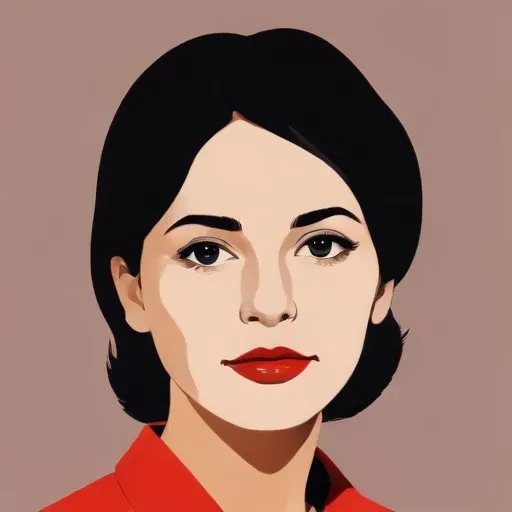
Mabel Alvarez: The Pioneering Painter of California Modernism
A Legacy of Introspection and Spirituality
Mabel Alvarez, a talented American painter, is renowned for her captivating works that exude introspection and spirituality, significantly contributing to the Southern California Modernism and California Impressionism movement. Her distinctive style, characterized by vivid colors and dreamlike scenes, has left an indelible mark on the art world.
Early Life and Influences
Born on November 28, 1891, to a prominent Spanish family on the island of Oahu, Hawaii, Alvarez was surrounded by creatives and intellectuals. Her father, Luis F. Alvarez, a medical doctor, was involved in the leprosy research initiated by
Father Damien, while her brother, Walter C. Alvarez, would later become a distinguished physician and author. Her nephew, Luis Alvarez, would go on to win the Nobel Prize in physics. The family's move to Los Angeles, California, during Alvarez's youth exposed her to the vibrant cultural scene that would shape her artistic vision.
Artistic Breakthrough
Alvarez's artistic talent blossomed at a young age, and she enrolled in the Art Students League of Los Angeles in 1915. Her immediate success led to her winning a Gold Medal for painting a large mural at the Panama-California Exposition in San Diego. She further honed her skills at William Cahill's School for Illustration and Painting, where her charcoal portrait of a woman in profile was featured on the school's catalog cover.
Rise to Prominence
Alvarez's first portrait painting was exhibited at the Los Angeles Museum (now the Los Angeles County Museum of Art) in 1917, marking the beginning of a long-standing relationship with the institution. Her work was heavily influenced by the philosophical writings of Will Levington Comfort, who advocated for principles of Theosophy and Eastern mysticism. In 1919, she won the third Black prize for her rendering of a child's head, titled "Carmen." This recognition was followed by a prize for best figure painting for her "Self-Portrait" in the spring exhibition at the Los Angeles Museum in 1923.
Synchromist Influences
During the 1920s and 1930s, Alvarez's work was significantly influenced by the Synchromist Movement, led by
Stanton Macdonald-Wright and Morgan Russell. Her mentor, Russell, would remain her teacher for over 20 years, shaping her artistic style and vision. This period saw Alvarez's paintings become more symbolic, reflecting her fascination with Art Nouveau and Eastern mysticism.
Legacy and Impact
Mabel Alvarez's contributions to California Modernism and California Impressionism have left a lasting impact on the art world. Her unique style, characterized by introspection and spirituality, continues to inspire artists and art enthusiasts alike. Through her work, Alvarez has cemented her position as a pioneering painter of her time, leaving behind a legacy that will continue to captivate audiences for generations to come.
Key Works and Exhibitions
- "Carmen" (1919) - Third Black prize winner
- "Self-Portrait" (1923) - Best figure painting prize winner, Los Angeles Museum
- Panama-California Exposition mural (1915) - Gold Medal winner
Awards and Honors
- Gold Medal, Panama-California Exposition (1915)
- Third Black prize, "Carmen" (1919)
- Best figure painting prize, "Self-Portrait" (1923)
Philosophical Contributions
Alvarez's work embodies the principles of Theosophy and Eastern mysticism, reflecting her fascination with symbolism and introspection. Her art serves as a testament to the power of spiritual exploration and the human experience.
Personal Milestones
- 1915: Enrolled in Art Students League of Los Angeles
- 1917: First portrait painting exhibited at Los Angeles Museum
- 1923: Won prize for best figure painting at Los Angeles Museum
Influence on Modern Society
Mabel Alvarez's contributions to California Modernism and California Impressionism have had a lasting impact on the art world, inspiring generations of artists to explore the realms of introspection and spirituality. Her work serves as a testament to the power of art to transcend time and culture, continuing to captivate audiences today.
FAQ
What style of painting was Mabel Alvarez known for?
Mabel Alvarez was a prominent figure in the California Modernist movement, characterized by bold colors, geometric shapes, and a focus on light and shadow.
What inspired Mabel Alvarezs artistic style?
Alvarezs artistic style was influenced by her fascination with modernism, Fauvism, and the work of artists like Henri Matisse and Pablo Picasso.
What are some notable works by Mabel Alvarez?
Some of Mabel Alvarezs notable works include The Harvesters and The Terra Cotta Bath, which exemplify her unique blend of modernist and figurative styles.
How did Mabel Alvarezs art reflect her cultural heritage?
As a first-generation American of Portuguese descent, Alvarezs art often incorporated elements of her cultural heritage, reflecting her connection to her ancestors and her adopted country.
What was Mabel Alvarezs contribution to the development of modern art in California?
Alvarez played a significant role in shaping the modern art movement in California, inspiring a new generation of artists with her innovative style and techniques.