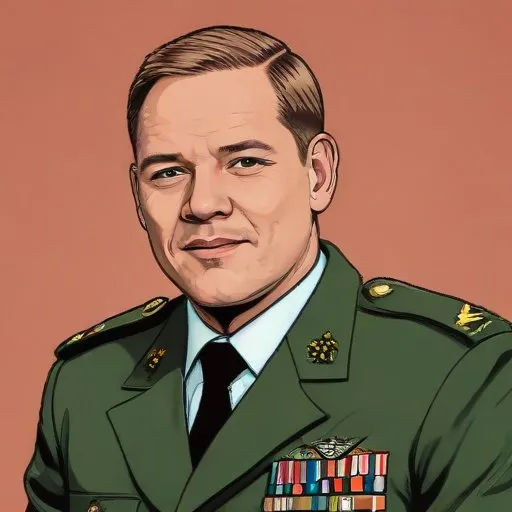
Magnus Malan: The Controversial Figure in Apartheid-Era South Africa
A Career in the Military and Politics
Magnus Malan is renowned for his influential role in the South African military and politics during the apartheid era. As the Minister of Defence in President P.W. Botha's cabinet and Chief of the South African Defence Force (SADF), Malan played a significant part in shaping the country's military strategy and policy.
Rise to Power
Born on January 30, 1930, Malan's military career began immediately after completing his matriculation. He quickly rose through the ranks, holding strategic command positions and eventually becoming the Chief of the South African Army. His tenure as Chief of the Defence Force saw the military increase in size, efficiency, and capabilities.
The Total Onslaught Strategy
As a key figure in the apartheid government, Malan posited the concept of a "total communist onslaught," which led to the development of a national strategy to counter the perceived threat. This strategy involved placing policing, intelligence, and aspects of civic affairs under the control of generals, as well as bolstering splinter groups in neighboring states to counter the influence of the African National Congress (ANC) and the South West Africa People's Organization (SWAPO).
Controversial Policies and Actions
Malan's tenure was marked by controversy, including the branding of the ANC and SWAPO as terrorist organizations, cross-border raids targeting suspected bases of insurgents or activists, and the use of proxy forces and rogue soldiers to assassinate opponents. His policies and actions have been widely criticized for perpetuating human rights abuses and fueling violence during the apartheid era.
Personal Life and Education
Malan came from a family of intellectuals; his father was a professor of biochemistry at the University of Pretoria and later a member of parliament. Malan started his high school education at the Afrikaanse Hoër Seunskool but later moved to Dr. Danie Craven's Physical Education Brigade in Kimberley, where he completed his matriculation. He enrolled at the University of Stellenbosch in 1949 to study for a Bachelor of Commerce degree but abandoned his studies to pursue a career in the military.
Legacy and Impact
Magnus Malan's legacy is marked by controversy and criticism. His policies and actions have been widely condemned for perpetuating human rights abuses and fueling violence during the apartheid era. Despite his significant influence on South African history, Malan's name is often associated with the darker aspects of the country's past.
- Notable Positions: Minister of Defence, Chief of the South African Defence Force (SADF), Chief of the South African Army
- Known for: Total Onslaught Strategy, apartheid-era military policy, controversial actions and policies
- Date of Birth: January 30, 1930
- Date of Death: July 18, 2011
FAQ
What was Magnus Malans role in South African politics?
Magnus Malan served as the South African Minister of Defence from 1980 to 1991, during the apartheid era. He was a key figure in the National Party government.
How did Magnus Malan contribute to the development of the South African military?
Magnus Malan contributed to the development of the South African military, modernizing its equipment and expanding its capabilities during his tenure as Minister of Defence.
What is Magnus Malans legacy in South African politics?
Magnus Malans legacy in South African politics is complex, marked by his role in upholding apartheid, but also his contributions to the countrys transition to democracy.