


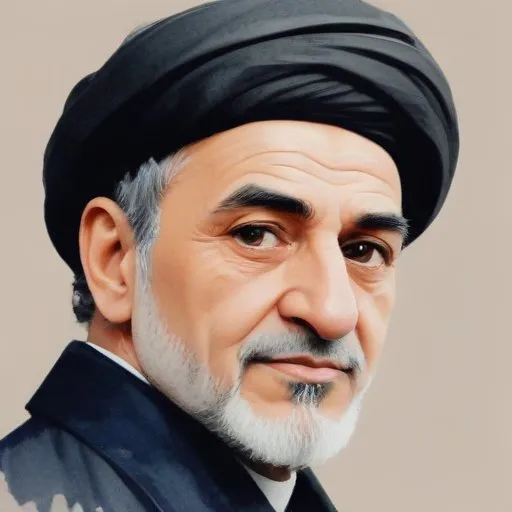
Renowned Iranian literary figure, celebrated for his poignant and thought-provoking novels that delve into the human condition, exploring themes of love, identity, and social justice.
Mahmoud Dowlatabadi is a renowned Iranian writer and actor, celebrated for his unwavering promotion of social and artistic freedom in contemporary Iran. Through his literary works, he paints vivid pictures of rural life, drawing from his own experiences growing up in a remote village.
Born on August 1, 1940, in Dowlatabad, Sabzevar, Mahmoud was raised in a family of shoemakers. He spent his early years working as a farmhand and attending Masud Salman Elementary School. It was during this time that he developed a passion for reading, devouring romance novels and Persian classical poetry.
His father, despite having little formal education, played a significant role in introducing Mahmoud to the works of Saadi Shirazi, Hafez, and Ferdowsi. This early exposure to literature had a profound impact on Mahmoud, shaping his future as a writer and actor.
As a teenager, Mahmoud took up the family trade and opened a barbershop. However, the monotony of the job soon got to him, and he made the bold decision to leave it all behind and pursue a career in theatre. This marked a significant turning point in his life, as he went on to work in Mashhad for a year before moving to Tehran to hone his craft.
Mahmoud's journey in the world of theatre was not without its challenges. He worked numerous jobs to make ends meet while attending theatre classes, where he eventually rose to the top of his class. This perseverance and dedication earned him recognition as a talented actor, and he soon became a prominent figure in Iran's theatre scene.
Mahmoud's literary works are a testament to his commitment to promoting social and artistic freedom in Iran. His writing is characterized by realistic depictions of rural life, drawn from his own experiences and observations. His works have been widely acclaimed, both within Iran and internationally, for their nuanced portrayal of the human condition.
In 2020, Mahmoud collaborated with the Art of Peace global project, writing and reciting a powerful piece called "Soldier Half-Burned Boots." This work, composed and arranged by Mehran Alirezaei, is a testament to Mahmoud's continued relevance and influence in the literary world.
Mahmoud Dowlatabadi's contributions to Iranian literature and theatre are immeasurable. Through his works, he has inspired generations of writers and artists, promoting a culture of social and artistic freedom in a country where creative expression is often met with resistance.
His legacy extends beyond the borders of Iran, serving as a beacon of hope for artists and writers fighting for creative freedom around the world. Mahmoud Dowlatabadi's story is a testament to the power of perseverance, dedication, and a passion for the arts.
Mahmoud Dowlatabadi's remarkable journey is a testament to the transformative power of art and literature. His unwavering commitment to promoting social and artistic freedom continues to inspire generations, leaving an indelible mark on the literary world.
Born in 1921
A pioneering female writer and educator who broke literary ground with her Persian novels and short stories, exploring themes of social justice and women's rights.
Born in 1903
A pioneering Iranian writer and translator who blended Persian folklore with European modernism, creating a unique literary style that explored themes of identity, alienation, and social critique.
87 Years Old
A pioneering filmmaker who revolutionized Iranian cinema with his poetic and visually stunning works, exploring themes of identity, culture, and social change.
80 Years Old
Iranian-American author and academic who wrote influential novels and short stories that explored themes of feminism, identity, and social change in Iran, earning her international recognition.
