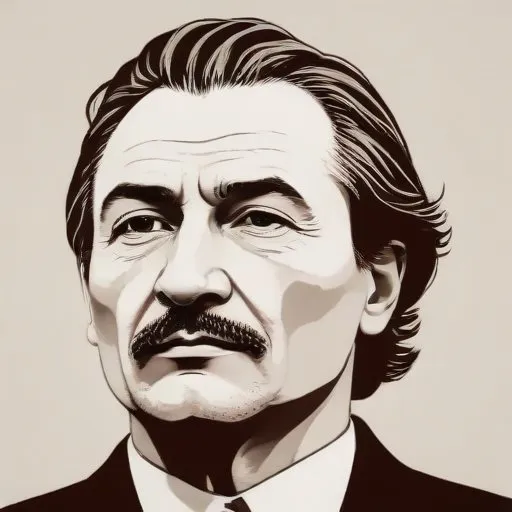
Maksim Haretski: The Renaissance Man of Belarusian Culture
A Prolific Writer and National Renewal Activist
Maksim Haretski was a Belarusian prose writer, journalist, and activist who played a pivotal role in the country's national renewal movement. Through his works, he sought to promote the Belarusian language and culture, earning him recognition as one of the most influential figures of his time.
Early Life and Education
Born on February 18, 1893, in the village of Maaja Bahakala, Haretski was raised in a peasant family alongside his two brothers, Harya and Ivan. He received his early education in Hory-Horki, graduating from college in 1913, and later attended a military college in Petrograd in 1916. During World War I, he served in the Russian Army, where he was wounded and hospitalized in Vilnius, Moscow, and Mahilio.
Literary Career and Pseudonyms
Haretski's literary career began during his time in the army, where he started writing under various pseudonyms, including Maksim Biearus, M.B. Biearus, M.H., A. Mcisaski, Dzied Kuma, Maciej Myka, and Mizeryjus Monus. He often appeared as Kuma Batura, Liavon Zaduma in his works. His writings spanned multiple genres, including prose, journalism, and folklore, showcasing his versatility as a writer.
Activism and Contribution to National Renewal
As an activist, Haretski was instrumental in promoting the Belarusian language and culture. He worked tirelessly to develop the Belarusian lexicon, compiling dictionaries and writing extensively on folk traditions. His efforts earned him recognition as a leading figure in the national renewal movement, which sought to promote Belarusian identity and independence.
Teaching and Academic Career
In addition to his literary pursuits, Haretski was a dedicated educator. He taught language and literature at various universities in Minsk and Vilnius, inspiring a new generation of Belarusian writers and intellectuals. His academic career was marked by his membership in the Inbelkult, a prominent cultural organization dedicated to promoting Belarusian culture.
Personal Life and Legacy
Haretski married Leania Arniaskaja in 1919, and the couple had two children, Leanid and Halina. Tragedy struck when Leanid died in the Battle of Leningrad during World War II. Despite facing persecution and imprisonment by Polish authorities in 1922, Haretski remained dedicated to his craft, continuing to write and teach until his untimely death on February 10, 1938.
Impact on Modern Society
Maksim Haretski's contributions to Belarusian culture and literature continue to inspire generations of writers, activists, and intellectuals. His legacy serves as a testament to the power of art and activism in shaping national identity and promoting cultural heritage.
- Major Works: Haretski's notable works include "Ў лесе" (In the Forest), "Ў краіне" (In the Country), and "Ў Вільні" (In Vilnius).
- Awards and Honors: Haretski was recognized for his contributions to Belarusian literature and culture, although specific awards and honors are unknown.
- Influence on Pop Culture: Haretski's works have inspired numerous Belarusian writers, poets, and artists, shaping the country's cultural landscape.
FAQ
What is Maksim Haretskis most famous literary work?
Maksim Haretski is most famous for his novel The Rye Field, which was published in 1922 and is considered a classic of Belarusian literature.
What are some of Maksim Haretskis other notable works?
Maksim Haretski wrote many notable works, including The Forest, The Village, and The People. His works often explored themes of Belarusian identity, rural life, and social justice.
What was Maksim Haretskis early life like?
Maksim Haretski was born in 1893 in Belarus. He came from a peasant family and was educated at the Belarusian Gymnasium.
How did Maksim Haretskis writing reflect his experiences as a activist?
Maksim Haretski was an active participant in the Belarusian nationalist movement, and his writing often reflected his experiences as an activist. His works often explored themes of social justice and national identity.
What is Maksim Haretskis legacy in Belarusian literature?
Maksim Haretskis legacy in Belarusian literature is immense. He is remembered as one of the greatest Belarusian writers of the 20th century, and his works continue to inspire readers today.