


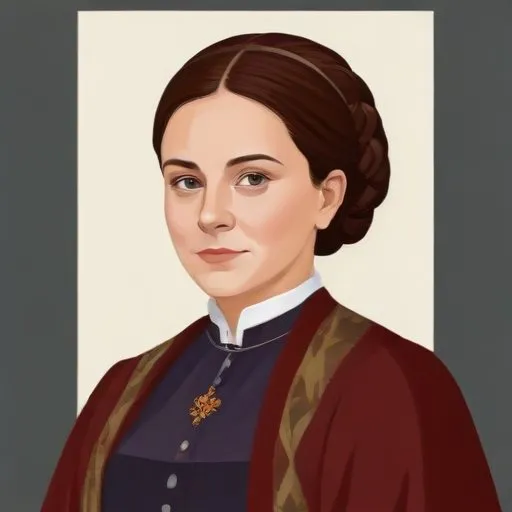
Electress of Saxony, a German princess who played a crucial role in 18th-century European politics and was a patron of the arts, fostering cultural development in Saxony. She was a strong supporter of education and social welfare.
Maria Antonia of Bavaria, Electress of Saxony, was a German princess, composer, singer, and harpsichordist, renowned for her operas Il trionfo della fedeltà (The Triumph of Fidelity) and Talestri, regina delle amazone (Talestri, Queen of the Amazons). As the wife of Frederick Christian, Elector of Saxony, and later Regent of Saxony, she navigated the complexities of court life while pursuing her passions for music and the arts.
Born on July 18, 1724, at Nymphenburg Palace in Munich, Maria Antonia was the fourth of seven children of Archduchess Maria Amalia of Austria and Elector Karl Albert of Bavaria. She received an outstanding education, with a particular focus on the arts, including painting, poetry, and music.
In 1747, Maria Antonia married Frederick Christian, the heir to the Electorate of Saxony, in a marriage by proxy in Munich, followed by a personal ceremony in Dresden. She became a member of the Accademia dell'Arcadia of Rome, a prestigious institution dedicated to operatic reform. The couple had nine children, seven of whom survived infancy.
Following her husband's death in 1763, Maria Antonia served as joint regent with her brother-in-law Franz Xavier until her son Frederick Augustus reached legal majority in 1768. During her regency, she opposed her coregent's act to give up her son's claim on the Polish throne and founded a textile factory in 1763 and a brewery in 1766.
Maria Antonia's musical talents were encouraged from an early age. She was an accomplished singer, harpsichordist, and composer, with a particular interest in opera. Her operas, Il trionfo della fedeltà and Talestri, regina delle amazone, showcase her mastery of the genre. As a patron of the arts, she supported numerous musicians and composers, contributing to the cultural landscape of Saxony.
Maria Antonia's commitment to the arts and education reflects her belief in the power of culture to shape society. Her involvement in the Accademia dell'Arcadia of Rome demonstrates her support for operatic reform and her desire to promote innovation in the arts.
Maria Antonia of Bavaria's life and achievements serve as a testament to the complexities of women's roles in the 18th century. As a princess, composer, and regent, she navigated the intricacies of court life while pursuing her passions and contributing to the cultural and artistic heritage of Saxony. Her legacy inspires future generations to explore the intersections of art, politics, and identity.
