


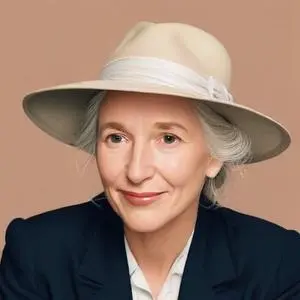
A pioneering modernist poet, known for intricate, precise language and exploration of themes like nature, identity, and morality. Her unique style and intellectual rigor have inspired generations of writers.
Born on November 15, 1887, in Kirkwood, Missouri, Moore's early life was marked by separation from her father, who suffered a psychotic episode before her birth. Raised by her mother and grandfather, Moore's strong Christian faith and family relationships would later influence her poetry.
Moore's academic pursuits took her to Bryn Mawr College, where she majored in history, economics, and political science. It was during this time that she began writing for the campus literary magazine, Tipyn OBob, and solidified her resolve to become a writer.
Moore's poetry has had a profound impact on modern literature, influencing generations of poets, including Sylvia Plath, Elizabeth Bishop, and Adrienne Rich. Her innovative style and exploration of themes such as strength, adversity, and faith continue to resonate with readers.
Moore's poetry often grapples with the tension between faith and doubt, reflecting her strong Christian upbringing. Her unique perspective on the human experience is characterized by a steadfast optimism, emphasizing the importance of resilience and determination.
"The deepest feeling always shows itself in silence; not in silence, but restraint."
"The power of the visible is the invisible."
Moore's contributions to American poetry are immeasurable. She broke new ground with her innovative style, paving the way for future generations of poets. Her poetry continues to be widely studied and admired, ensuring her legacy as one of the most important American poets of the 20th century.
Marianne Moore passed away on February 5, 1972, leaving behind a body of work that continues to inspire and captivate readers. Her poetic genius remains unparalleled, a testament to her enduring influence on modern literature.
Born in 1885
A pioneering modernist poet and critic who transformed 20th-century literature with innovative styles and provocative ideas, shaping the course of modern poetry.
Born in 1888
A renowned poet, playwright, and critic who reshaped modern poetry with works like "The Waste Land" and "Old Possum's Book of Practical Cats", influencing literature and art with their unique style.
Born in 1879
A modernist master of language and imagination, crafting innovative, symbolic poetry that explores the human experience and the relationship between reality and the individual's perception of it.
Born in 1883
A physician-turned-writer, known for his modernist poetry and short stories that explored the everyday lives of ordinary people, often using imagery and experimental styles. His work blurred the lines between poetry and prose, creating a unique literary voice.
Born in 1886
A pioneering figure in modernist poetry, known for experimental and emotionally charged works that explored themes of love, identity, and spirituality.
Born in 1894
A visionary wordsmith who shattered conventions with innovative syntax and punctuation, crafting a unique, expressive voice that continues to inspire generations of writers and artists.
Born in 1902
A renowned poet, novelist, and playwright who powerfully voiced the experiences and struggles of African Americans during the Harlem Renaissance, using jazz and blues rhythms to convey the spirit of his people.
Born in 1911
A Pulitzer Prize-winning poet and short-story writer, celebrated for her vivid, introspective, and nuanced portrayals of life, love, and nature. Her unique style blends precision with lyricism, creating a distinctive voice in American literature.
