


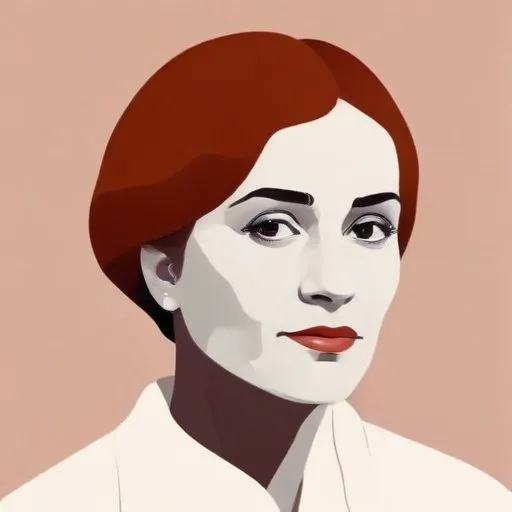
A Romanian-French author and poet, known for her lyrical and introspective works that explored themes of love, nature, and the human condition. Her writing is characterized by its musicality and depth of emotion.
Renowned for her captivating literary works, lavish lifestyle, and influential connections, Marthe Bibesco was a celebrated Romanian-French writer, socialite, and political hostess who left an indelible mark on European high society and literature.
Born Marta Lucia Lahovary on January 28, 1886, in Bucharest, Romania, Marthe spent her formative years at the noble Lahovary family estates in Baloteti and the fashionable French seaside resort of Biarritz. Her father, Ioan Lahovary, held prominent positions in the Romanian government, including minister of foreign affairs. This exposure to international politics and diplomacy would later shape her writing and relationships.
Marthe began her writing career in 1908 with the publication of her travel memoir, Les Huit Paradis (The Eight Paradises), which received critical acclaim from French critics. Her most acclaimed work, Isvor, pays des saules (Isvor, Land of Willows), solidified her position as a prominent literary figure. Under the pseudonym Lucile Dcaux, she wrote popular romances, and her articles were featured in several magazines under her own name.
Marthe's marriage to Prince George III Valentin Bibescu at the age of 16 introduced her to European high society. She navigated the intricacies of royal courts, befriending influential figures such as Crown Prince Ferdinand of Romania. Her Parisian salons attracted prominent intellectuals, politicians, and artists, making her a sought-after hostess and confidante.
Marthe Bibesco's literary contributions, socialite status, and political connections have had a lasting impact on European literature and high society. Her works continue to inspire writers, and her salons served as incubators for intellectual discussions and artistic collaborations. Her life serves as a testament to the power of women in shaping cultural and political landscapes.
Marthe Bibesco's remarkable life and achievements have secured her place in the annals of Romanian and French literary history. Her writing, though often overshadowed by her glamorous lifestyle, showcases her remarkable storytelling ability and keen observations of the human experience. As a pioneering female writer, she paved the way for future generations of women to pursue careers in literature and politics.
Born in 1871
A French literary mastermind who penned the monumental, introspective novel "In Search of Lost Time", exploring the human experience through vivid, nostalgic storytelling.
Born in 1889
A renowned French creative force, celebrated for his innovative and surreal works that blurred the lines between literature, art, and cinema, leaving an indelible mark on 20th-century culture.
Born in 1869
A French literary giant, renowned for his novels and essays that explored the human condition, morality, and the search for authenticity. His works often blurred the lines between fiction and autobiography.
Born in 1885
A French literary giant, celebrated for his novels and plays that probed the human condition, morality, and the complexities of faith. His works are known for their psychological depth and lyrical prose.
Born in 1871
A French poet and philosopher who explored the human condition through lyrical poetry and philosophical essays, delving into the mysteries of existence and the human experience.
Born in 1905
Existentialist philosopher and playwright who argued that humans have complete freedom to choose their actions and create their own meaning in life, influencing modern thought on morality and individual responsibility.
Born in 1908
A pioneering feminist philosopher who wrote extensively on ethics, politics, and gender, famously arguing that "one is not born, but rather becomes, a woman."
