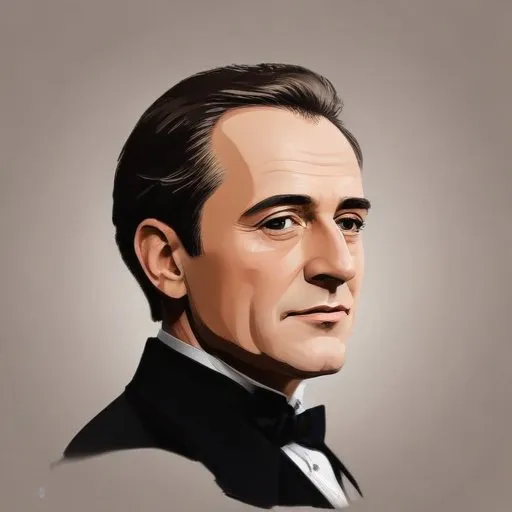
Martin Bttcher: The Maestro of German Film Scores
A Prolific Career in Music and Film
Martin Bttcher, a renowned German composer, arranger, and conductor, left an indelible mark on the film industry with his captivating scores. Known for his versatility and innovative approach, Bttcher's works spanned various genres, from jazz and swing to classical and pop, earning him a reputation as one of Germany's most prolific film composers.
Early Life and Military Service
Born on June 17, 1927, in Berlin, Germany, Bttcher's fascination with music began at an early age. He started taking piano lessons, but his true passion lay in flying, with aspirations to become a test pilot. However, during World War II, he was conscripted into the German Luftwaffe, where he underwent military training. Although he never saw action due to a lack of fuel, his time as a prisoner of war proved transformative, as he taught himself to play the guitar.
Entree into the Music Industry
After his release from captivity, Bttcher moved to Hamburg, where he began his musical career with Nordwestdeutscher Rundfunk's dance and entertainment orchestra, led by Willi Steiner. This experience laid the groundwork for his future success in the film industry. He also worked as an arranger for prominent film composers, including Michael Jary and Hans-Martin Majewski, on projects like the score for
Love 47.
Innovative Breakthroughs and Milestones
In 1950, Bttcher recorded Germany's first trick guitar pieces in the style of Les Paul, showcasing his innovative approach to music. Four years later, he transitioned from performing to composing, marking a pivotal moment in his career. His cinematic debut came in 1955 with the score for
The Captain and His Hero, followed by the landmark film
Teenage Wolfpack (1956), which catapulted him to fame.
Collaborations and Notable Works
Bttcher's talent and versatility led to collaborations with esteemed artists, including Hans Albers and Heinz Rhmann's
Father Brown movies. He also composed for
Mr. Martins Band, featuring top German jazz musicians like Horst Fischer, Fatty George, Bill Grah, Ernst Mosch, and Hans-
James Last. One of his most notable scores was for the 1962 film
Max the Pickpocket.
Legacy and Impact
Throughout his prolific career, Martin Bttcher contributed significantly to the German film industry, earning him a permanent place in German cinematic history. His innovative approach to music and film scoring continues to inspire generations of composers and filmmakers. As a testament to his enduring legacy, Bttcher's work remains an integral part of German cultural heritage.
Awards and Honors
Throughout his career, Bttcher received numerous awards and honors for his contributions to film and music. While the exact number of accolades is unknown, his work continues to be celebrated and recognized for its significance in the world of film scoring.
Personal Life and Later Years
Little is known about Bttcher's personal life, as he remained private about his relationships and family. Martin Bttcher passed away on April 20, 2019, leaving behind a rich legacy of music and film scores that continue to captivate audiences worldwide.
FAQ
What was Martin Böttchers profession?
Martin Böttcher was a German composer and conductor, known for his work in film and television scoring, as well as his contributions to the development of German popular music.
What is Martin Böttchers most notable composition?
Martin Böttcher is perhaps best known for his iconic theme music for the German television series Raumpatrouille and his numerous film scores, including the classic German spy movie series Edgar Wallace.
What was Martin Böttchers style of music?
Martin Böttchers music was characterized by its engaging melodies, lush orchestration, and intricate arrangements, blending jazz, pop, and classical influences.
How did Martin Böttcher contribute to German popular music?
Martin Böttcher played a significant role in shaping German popular music, influencing generations of musicians and composers, and helping to establish the German film and television scoring tradition.
What legacy did Martin Böttcher leave behind?
Martin Böttcher left behind a rich legacy in German popular music, inspiring future generations of musicians and composers, and cementing his place as one of the most beloved and respected German composers of his time.