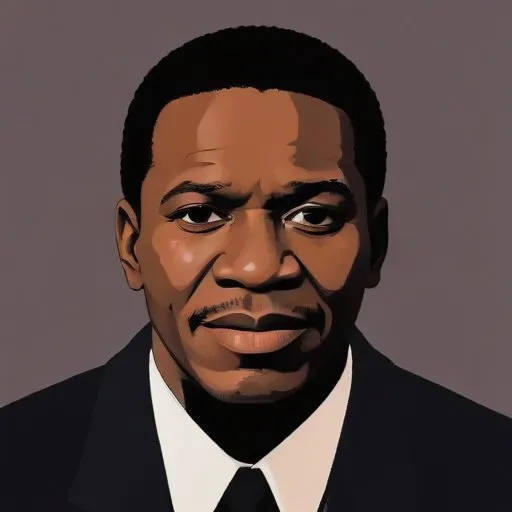
Marv Johnson: The Unsung Hero of Motown
The Birth of a Legend
Marv Johnson is renowned for being one of the pioneering voices of Motown, penning the label's first single, "Come to Me," and setting the stage for the iconic sound that would soon sweep the nation. As a singer, songwriter, and pianist, Johnson played a pivotal role in shaping the Motown style, which would go on to define the sound of a generation.
Early Life and Influences
Born on October 15, 1938, in Detroit, Michigan, Johnson's musical journey began with gospel and blues influences. He honed his craft as the lead singer of the Junior Serenaders, a local doo-wop group, before being discovered by
Berry Gordy at a carnival in the mid-1950s.
The Tamla Era
Johnson's first recording, "Come to Me," was released on Tamla Records, Berry Gordy's fledgling label, in May 1959. The single's moderate success, reaching number 30 on the Billboard Hot 100 chart, marked the beginning of Johnson's fruitful collaboration with Gordy. The duo went on to co-write four more songs, solidifying Johnson's position as a key player in the Motown movement.
Mainstream Success
Signed by United Artists Records, Johnson released three albums and several singles, including the hit singles "You Got What It Takes" and "I Love the Way You Love." The former, released in 1959, reached number 10 on the Billboard Hot 100 chart and sold over one million copies, earning Johnson a gold disc.
International Acclaim
Despite his early success in the United States, Johnson's music resonated more strongly with audiences in the United Kingdom and Australia. His singles, including "Ain't Gonna Be That Way," consistently charted in the UK, cementing his reputation as a global Motown icon.
Legacy and Impact
Marv Johnson's contributions to Motown's formative years are undeniable. His pioneering work paved the way for legendary artists like
Diana Ross, The Supremes, and
Marvin Gaye. Though often overlooked in favor of his more famous contemporaries, Johnson's influence on modern R&B and soul music remains profound.
Personal Life and Later Years
Little is known about Johnson's personal life, but his dedication to his craft and his passion for music are evident in his prolific output during the 1960s. After his final US Top 40 single in 1960, Johnson's music career slowly faded into the background. He passed away on May 16, 1993, leaving behind a legacy that continues to inspire new generations of music lovers.
Trivia and Fun Facts
- Marv Johnson was one of the first artists to record at Motown's iconic Hitsville USA studios in Detroit.
- Johnson's music was a staple of the Northern Soul scene in the UK during the 1970s.
- He was a frequent performer at the famed Apollo Theater in Harlem, New York.
FAQ
What is Marv Johnsons significance in the music industry?
Marv Johnson is a significant figure in the music industry, particularly in the genres of R&B and Motown. He was one of the first artists to be signed to Motown Records and had several hit singles, including Come to Me and You Got What It Takes.
What was Marv Johnsons relationship like with Berry Gordy?
Marv Johnson had a close relationship with Berry Gordy, the founder of Motown Records. Gordy saw potential in Johnson and signed him to the label, offering guidance and support throughout his career.
How did Marv Johnsons music influence the Motown sound?
Marv Johnsons music, with its blend of R&B, gospel, and pop, helped shape the distinctive Motown sound. His soulful vocals and catchy melodies set the stage for later Motown artists.
What are some of Marv Johnsons most popular songs?
Marv Johnsons most popular songs include Come to Me, You Got What It Takes, and Ill Pick a Rose for You. These hits showcased his vocal range and emotional delivery.
What is Marv Johnsons legacy in music?
Marv Johnsons legacy in music is one of innovation and influence. He was a pioneer of the Motown sound, paving the way for later artists and leaving a lasting impact on the music industry.