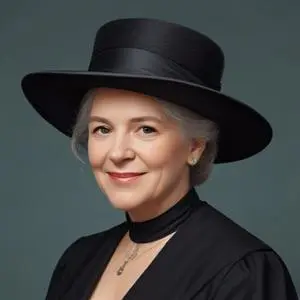
Mary Calkins

Mary Calkins

Mary Calkins was born on March 30th, 1863

Full Name: Mary Whiton Calkins
Nationality: American
Profession: Philosopher and psychologist
Field: Psychology of self
Birth Date: March 30, 1863
Death Date: February 27, 1930
Notable Work: Pioneering work on self-psychology
Awards: First woman president of APA

Pioneering psychologist and philosopher who made significant contributions to the development of self-psychology and was the first woman to serve as president of the American Psychological Association. Her work focused on the study of the self and consciousness.

Written by: Victor Malone Victor Malone

Mary Calkins: A Trailblazing Philosopher and Psychologist

Mary Whiton Calkins was a pioneering American philosopher and psychologist who made significant contributions to the fields of self-psychology, philosophy of mind, and education. She is best known for being the first woman to serve as President of the American Psychological Association (APA) and the first woman to teach philosophy at Harvard University.

Early Life and Education

Born on March 30, 1863, in Hartford, Connecticut, Calkins grew up in a family that valued education. She attended Smith College, where she developed an interest in philosophy and psychology. After graduating in 1885, she went on to pursue her graduate studies at Harvard University, where she was one of the few women students.

Career Highlights and Major Works

Calkins' academic career spanned over three decades, during which she taught philosophy at Wellesley College and Harvard University. Her research focused on self-psychology, and she developed the concept of "self-psychology" as a distinct field of study. Her book, An Introduction to Psychology, was widely used as a textbook in psychology classes.

Philosophical Contributions and Beliefs

Calkins' philosophical contributions were centered around the concept of self and consciousness. She argued that the self is a unified, conscious entity that cannot be reduced to its constituent parts. Her work in this area was influential in shaping the development of self-psychology as a distinct field of study.

Influence on Modern Society

Calkins' pioneering work in psychology and philosophy paved the way for future generations of women in academia. Her contributions to the field of self-psychology continue to influence contemporary research in psychology and philosophy.

Awards and Honors

Calkins received numerous awards and honors for her contributions to psychology and philosophy, including:

Legacy

Mary Calkins' trailblazing work in psychology and philosophy continues to inspire future generations of scholars and researchers. Her commitment to education and her advocacy for women's rights have left a lasting impact on modern society.

Trivia and Fun Facts

Did you know that Calkins was also an accomplished musician and played the organ?

Mary Calkins' remarkable life and achievements serve as a testament to her unwavering dedication to education and her passion for advancing the fields of psychology and philosophy.

Timeline
1863
Birth in Hartford
Mary Whiton Calkins was born in Hartford, Connecticut, to Wolcott and Charlotte Calkins.
1887
Graduated from Wellesley College
Calkins graduated from Wellesley College, where she would later become a professor and president.
1905
Became APA President
Calkins became the first female president of the American Psychological Association (APA), a major milestone for women in psychology.
1922
Published The Good Man and the Good
Calkins published her book The Good Man and the Good, which explored the relationship between philosophy and psychology.
1930
Died at 67
Calkins died at the age of 67, leaving behind a legacy as a pioneering female psychologist and philosopher.
Mary Calkins

Mary Calkins Quiz

What area of psychology did Mary Calkins make significant contributions to?

Score: 0/5
FAQ
What was Mary Calkins contribution to the field of psychology?
Mary Calkins made significant contributions to the field of psychology, particularly in the areas of memory and the self. She was one of the first women to make major contributions to the field and paved the way for future generations of female psychologists.
What was Mary Calkins role in the development of self-psychology?
Mary Calkins played a key role in the development of self-psychology, as she explored the concept of the self and its relationship to memory and consciousness. Her work helped establish the self as a central concept in psychology.
How did Mary Calkins work on memory influence the field of psychology?
Mary Calkins work on memory had a profound impact on the field of psychology, as she developed innovative methods for studying memory and exploring its relationship to the self. Her work laid the groundwork for later research on memory and cognition.
What was Mary Calkins relationship like with William James?
Mary Calkins relationship with William James was one of mentorship and intellectual collaboration. James, a prominent psychologist, encouraged Calkins work and helped her develop her ideas on the self and memory.
How did Mary Calkins work challenge traditional notions of gender and intelligence?
Mary Calkins work challenged traditional notions of gender and intelligence by demonstrating that women could make significant contributions to the field of psychology. Her achievements helped pave the way for future generations of female psychologists and researchers.

Related People:

William James

Born in 1842

Pioneering philosopher and psychologist who explored the nature of consciousness, free will, and religious experience, and is known for his pragmatic approach to philosophy and psychology.

John Dewey

Born in 1859

Developed pragmatic philosophy and progressive education theories, focusing on hands-on learning and social reform. Known for his influential ideas on democracy, education, and individual freedom.

G. Stanley Hall

Born in 1844

Founded the first psychology laboratory in the US, and is known as the "Father of American Psychology" for his contributions to the field.