


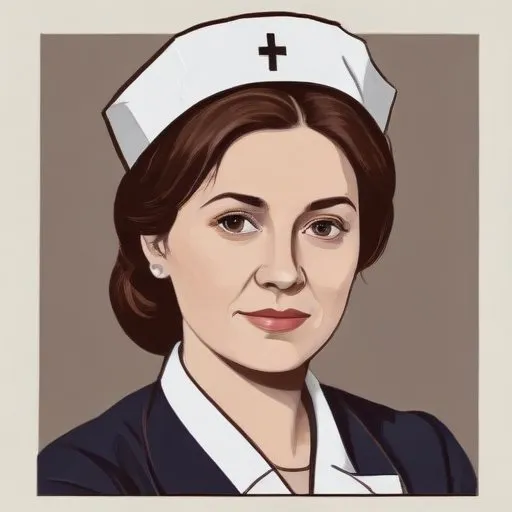
Pioneering nurse and activist who broke racial barriers in the nursing profession and co-founded the National Association of Colored Graduate Nurses. She advocated for equality and access to healthcare for all.
As the first African American to study and work as a professionally trained nurse in the United States, Mary Eliza Mahoney left an indelible mark on the medical profession. Her groundbreaking achievements paved the way for countless others to follow in her footsteps, shattering racial barriers and stereotypes along the way.
In 1879, Mahoney made history by becoming the first African American to graduate from an American school of nursing. This remarkable feat was no small accomplishment, especially given the era's rampant racial discrimination and limited opportunities for people of color.
Her graduation from the New England Hospital for Women and Children's nursing program marked a major milestone in the fight for equality in the medical field. Mahoney's determination and perseverance inspired a generation of African American women to pursue careers in nursing, challenging the status quo and paving the way for a more diverse and inclusive healthcare system.
In 1908, Mahoney joined forces with colleagues Martha Minerva Franklin and Adah B. Thoms to found the National Association of Colored Graduate Nurses (NACGN). This trailblazing organization worked tirelessly to improve access to educational and nursing practices for African American registered nurses, as well as to raise standards of living for these professionals.
The NACGN played a pivotal role in eliminating racial discrimination in the registered nursing profession, ultimately leading to the integration of the organization with the American Nurses Association in 1951.
Mahoney's remarkable career was marked by numerous honors and awards, including her induction into the American Nurses Association Hall of Fame in 1976 and the National Women's Hall of Fame in 1993.
Through her tireless advocacy and inspirational leadership, Mahoney helped to break down barriers and challenge stereotypes, paving the way for future generations of African American nurses to excel in their careers.
Born on May 7, 1845, in Dorchester, Massachusetts, Mahoney was the eldest child of freed slaves from North Carolina who had moved north in pursuit of a better life. From a young age, Mahoney was drawn to the teachings of the Peoples Baptist Church in Roxbury, where she developed a strong sense of morality and humanity.
Mahoney's educational journey began at the Phillips School, one of the first integrated schools in Boston, where she studied from first to fourth grade. This early exposure to education would lay the foundation for her future success in the nursing profession.
Mary Eliza Mahoney's remarkable life and legacy serve as a testament to the power of determination, perseverance, and courage in the face of adversity. As a trailblazing nurse, educator, and advocate, Mahoney inspired countless individuals to pursue careers in healthcare, challenging the status quo and paving the way for a more diverse and inclusive medical profession.
Today, Mahoney's pioneering spirit continues to inspire and motivate individuals from all walks of life, serving as a beacon of hope and inspiration for generations to come.
Born in 1821
Founded the American Red Cross, providing humanitarian aid and disaster relief, and pioneering nursing education. Known for her courageous and selfless efforts during the Civil War and beyond.
Born in 1820
Pioneering nurse and statistician who revolutionized healthcare by introducing sanitation practices and data-driven decision making, becoming the founder of modern nursing.
Born in 1802
Pioneering nurse and social reformer who crusaded for humane treatment of the mentally ill and prisoners, establishing asylums and advocating for their rights.
Born in 1867
Founded the Henry Street Settlement, a pioneering social service agency that provided healthcare, education, and community programs to immigrants and the working poor, and wrote extensively on social welfare and public health.
Born in 1909
An American anesthesiologist and pediatrician developed a crucial newborn health assessment tool, still widely used today to evaluate a baby's overall health and detect potential issues immediately after birth.
Born in 1879
A pioneering birth control activist who advocated for women's reproductive rights and founded the American Birth Control League, precursor to Planned Parenthood.
Born in 1884
A humanitarian and politician who championed human rights, women's empowerment, and social justice, leaving a lasting impact on American politics and international relations.
99 Years Old
The 41st First Lady of the United States was a humanitarian and advocate for mental health, known for her tireless work in reducing stigma around mental illness and promoting care for those affected. She also supported her husband's presidency, playing a key role in his administration.
