


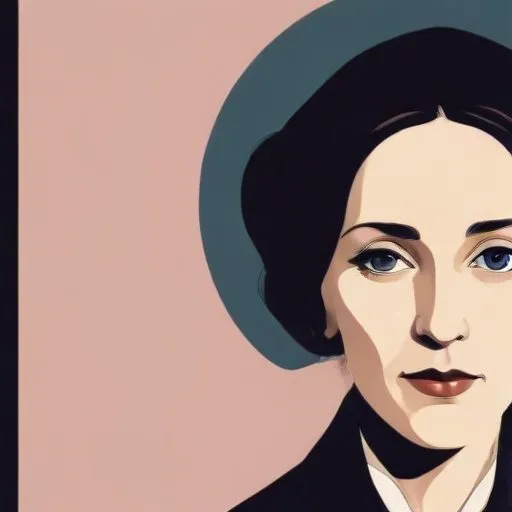
A 16th-century literary figure and aristocrat, known for her poetry, translations, and patronage of the arts, playing a significant role in promoting the works of William Herbert and other writers.
Among the earliest Englishwomen to gain recognition for her poetry and literary patronage, Mary Sidney, Countess of Pembroke, left an indelible mark on the literary world. By the age of 39, she was listed alongside literary giants such as her brother Philip Sidney, Edmund Spenser, and William Shakespeare in John Bodenham's verse miscellany, Bel-vedére, solidifying her position as a prominent author of her time.
Mary Sidney was born on October 27, 1561, at Tickenhill Palace in Worcestershire, to Sir Henry Sidney and Mary Dudley. As a child, she spent considerable time at court, where her mother was a gentlewoman of the Privy Chamber and a close confidante of Queen Elizabeth I. This exposure to the royal court had a profound impact on Mary's education, which included music, needlework, and languages such as Latin, French, and Italian.
After the death of her younger sister, Ambrosia, in 1575, Queen Elizabeth I requested Mary's return to court, where she joined the royal entourage. This experience undoubtedly influenced her later literary pursuits, including her translations of Petrarch's Triumphi and the Psalms, which showcased her mastery of language and poetic form.
Mary Sidney's most notable literary contribution was her play, Antonius, which is credited with reviving interest in soliloquy based on classical models. This work is believed to have inspired Samuel Daniel's closet drama, Cleopatra (1594), and, subsequently, William Shakespeare's Antony and Cleopatra (1607).
As a patron, Mary Sidney played a significant role in promoting the works of other authors. Her support and encouragement helped to foster a community of writers, including her brother Philip, who acknowledged her influence on his writing.
In 1577, Mary Sidney married Henry Herbert, 2nd Earl of Pembroke, a close ally of her family. The marriage was arranged by her father in concert with her uncle, Robert Dudley, Earl of Leicester. As the Countess of Pembroke, Mary became responsible for managing a number of estates, including Ramsbury, Ivychurch, Wilton House, and Baynards Castle in London.
Throughout her life, Mary Sidney remained devoted to her family and her literary pursuits. Her legacy as a poet, playwright, and patron has endured, inspiring generations of writers and scholars.
Mary Sidney's contributions to literature and her patronage of other writers have left an indelible mark on the literary world. Her life and work serve as a testament to the power of creativity and passion, inspiring generations to come.
Born in 1554
A Renaissance man who excelled in literature, politics, and warfare, leaving a lasting legacy in the world of poetry and chivalry.
Born in 1561
A 16th-17th century Renaissance figure who pioneered the scientific method and empiricism, and served as a prominent government official.
