


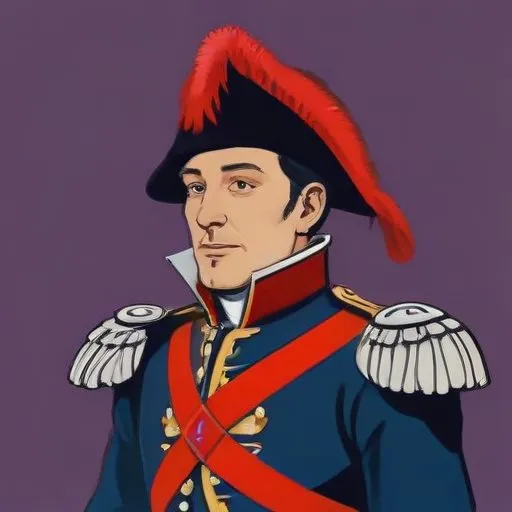
A Renaissance man who excelled in literature, politics, and warfare, leaving a lasting legacy in the world of poetry and chivalry.
Sir Philip Sidney, born on November 30, 1554, was a luminary of the Elizabethan era, distinguished for his remarkable literary works, valiant military endeavors, and unwavering dedication to the arts and politics. As a celebrated poet, he is best known for his sonnet sequence, Astrophel and Stella, which immortalized his profound love for Penelope Devereux, the Earl of Essex's daughter.
Born at Penshurst Place, Kent, Sidney hailed from an aristocratic family. His father, Sir Henry Sidney, and mother, Lady Mary Dudley, nurtured his intellectual curiosity, which led him to excel at Shrewsbury School and Christ Church, Oxford. Sidney's siblings, Mary and Robert, would also go on to achieve distinction in their respective fields, Mary as a writer and translator, and Robert as a statesman and patron of the arts.
In 1572, Sidney embarked on a grand tour of Europe, traveling to France, Germany, Italy, Poland, Hungary, and Austria. During this odyssey, he forged close bonds with preeminent European intellectuals and politicians, expanding his cultural and political horizons. His experiences abroad would later shape his writings, imbuing them with a profound understanding of the human condition.
Sidney's seminal work, The Defence of Poesy, also known as An Apology for Poetrie, is a masterpiece of literary criticism. Written in 1579, this treatise champions the art of poetry, refuting criticisms of its usefulness and moral value. In this work, Sidney eloquently asserts that poetry is an essential component of human expression, capable of conveying the deepest emotions and highest truths.
Penelope Devereux, the fiery and enigmatic Earl of Essex's daughter, captivated Sidney's heart, inspiring his sonnet sequence, Astrophel and Stella. This masterpiece of Renaissance literature is a testament to the transformative power of love, as Sidney's poems unfold a poignant narrative of passion, longing, and ultimate heartbreak.
In 1586, Sidney took up arms in the Netherlands, serving as a colonel in the English army. Though his military career was short-lived, he distinguished himself in battle, earning the gratitude of Queen Elizabeth I. Tragically, Sidney succumbed to wounds sustained at the Battle of Zutphen on October 17, 1586, leaving behind a legacy of intellectual and creative brilliance.
Sidney's multifaceted genius has had a profound influence on English literature, politics, and culture. His writings have inspired generations of poets, novelists, and intellectuals, while his commitment to the arts and public service continues to inspire modern leaders and thinkers. As a cultural icon, Sidney embodies the ideals of the Renaissance humanist, illuminating the connection between creativity, wisdom, and civic responsibility.
Philip Sidney's remarkable life, though cut short, has left an indelible mark on the cultural landscape of the Elizabethan era and beyond. His literary masterpieces, military valor, and commitment to the arts and politics continue to inspire and captivate us, solidifying his position as one of the most enduring figures of the Renaissance.
Born in 1564
Renowned playwright and poet behind iconic works like Romeo and Juliet, Hamlet, and Macbeth, whose writings continue to influence literature and theater to this day.
Born in 1564
A Renaissance master of words, crafting plays and poems that explored the human condition, and translating ancient texts into English, leaving a lasting impact on literature.
Born in 1572
A prominent figure in the English Renaissance, known for his witty plays and poems that explored themes of love, power, and morality. His works continue to influence literature and theater to this day.
Born in 1573
A 17th-century poet and cleric who penned powerful, metaphysical sonnets that explored themes of love, death, and spirituality. His works are celebrated for their complex, intricate language and profound insights into the human experience.
Born in 1593
A metaphysical poet and Anglican priest, he crafted intricate, symbolic, and introspective verse that explored the human condition and spirituality. His poetry is revered for its lyricism, depth, and emotional resonance.
Born in 1621
A 17th-century poet and politician who wrote lyrical and metaphysical verse, as well as satirical attacks on the government, blending art and politics in his work.
Born in 1608
Wrote epic poems, including "Paradise Lost", that explored themes of morality, free will, and the human condition.
Born in 1591
A 17th-century poet and Anglican priest, he's celebrated for his lyrical and sensual verses, particularly in his collection "Hesperides", which explores themes of love, nature, and mortality.
