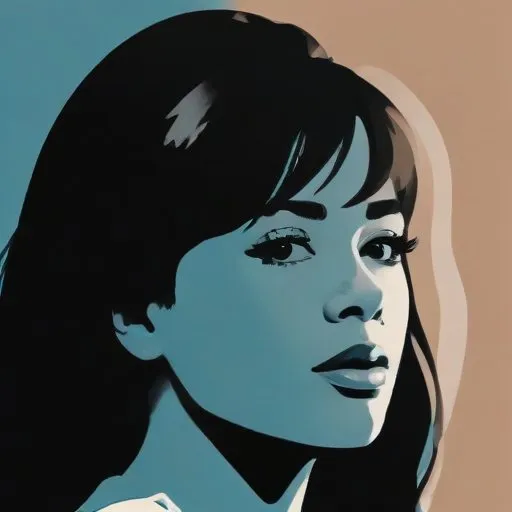
Mary Wells: The Queen of Motown
Defining the Sound of a Generation
Mary Wells, an American singer, is renowned for playing a pivotal role in shaping the emerging sound of Motown in the early 1960s. Alongside iconic groups like the Supremes, the Miracles, and the Temptations, Wells contributed to the integration of black music into mainstream America, bridging the color lines in the music industry.
Early Life and Career
Wells was born on May 13, 1943, in Detroit, Michigan, to a mother who worked as a domestic and an absentee father. Despite struggling with various health issues, including partial blindness, deafness in one ear, and temporary paralysis, Wells found solace in music. She began singing in church choirs at the age of 10 and eventually started performing at local nightclubs in the Detroit area.
Rise to Fame
In 1960, Wells approached Tamla Records founder
Berry Gordy with a song she had written for
Jackie Wilson. Impressed by her talent, Gordy signed her to his label, and Wells went on to release a string of hit singles, primarily composed by
Smokey Robinson. Her signature hits, including "The One Who Really Loves You," "Two Lovers," and "You Beat Me to the Punch" (all released in 1962), solidified her position as a leading lady of Motown.
Career Highlights and Major Works
Wells' most notable works include:
- "My Guy" (1964): Her signature hit, which earned her a Grammy nomination.
- "The One Who Really Loves You" (1962): A chart-topping single that showcased her vocal range and emotional depth.
- "Two Lovers" (1962): A memorable duet with Smokey Robinson, highlighting her ability to blend harmonies with other artists.
Philosophical Contributions and Beliefs
Through her music, Wells conveyed a sense of vulnerability, relatability, and emotional authenticity. Her songs often explored themes of love, heartache, and self-empowerment, resonating with a wide audience. Wells' music became a reflection of her own life experiences, exemplifying the power of art to transcend personal hardships.
Influence on Modern Society
Wells' impact on the music industry is undeniable. She played a crucial role in breaking down racial barriers, paving the way for future generations of African American artists. Her music continues to inspire new artists, with many citing her as a key influence.
Personal Milestones and Key Life Events
Wells faced numerous challenges throughout her life, including poverty, health issues, and personal struggles. Despite these obstacles, she remained dedicated to her craft, using music as a source of comfort and empowerment.
Legacy and Historical Context
Mary Wells' legacy extends beyond her impressive discography. She embodies the spirit of Motown, a symbol of perseverance, talent, and innovation. Her contributions to the music industry have left an indelible mark, ensuring her place as one of the most influential artists of the 1960s.
Comparative Analysis with Contemporaries
Wells' unique vocal style and emotive delivery set her apart from her contemporaries. While sharing similarities with other Motown legends like
Diana Ross and
Martha Reeves, Wells' distinct sound and songwriting skills have earned her a unique place in music history.
Impact on Pop Culture
Wells' music has been featured in various films, television shows, and commercials, introducing her legacy to new generations of music enthusiasts. Her influence can be seen in the work of numerous artists, from pop divas like
Whitney Houston to indie rock bands like The Black Keys.
Awards and Honors
Throughout her career, Wells received numerous accolades, including:
- Grammy nomination for "My Guy" (1964)
- Inducted into the Rhythm and Blues Music Hall of Fame (2015)
Visual Timeline and Milestones

Wells at the height of her success, circa 1964.

Wells in the 1980s, continuing to perform and inspire new generations of artists.
Trivia and Fun Facts
* Wells was known for her iconic hairdos, which became a signature part of her stage presence.
* She was one of the first African American artists to appear on television, performing on the popular music show "Shindig!" in 1964.
* Wells' music has been featured in various films, including "The Big Chill" (1983) and "Guess Who" (2005).