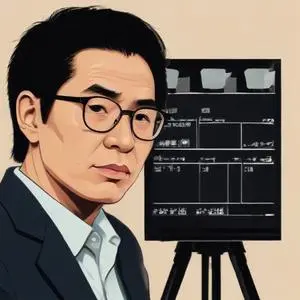
Masaki Kobayashi: A Visionary of Japanese Cinema
A Pioneering Filmmaker
Masaki Kobayashi is renowned for his thought-provoking and visually stunning films that have captivated audiences worldwide. He is best known for his epic trilogy,
The Human Condition (1959-1961), which explores the complexities of Japanese society during World War II, as well as his critically acclaimed samurai films,
Harakiri (1962) and
Samurai Rebellion (1967).
Early Life and Education
Born on February 14, 1916, in Otaru, Hokkaido, Japan, Kobayashi was the son of a company employee. He showed an early interest in art and philosophy, which led him to study East Asian art and philosophy at Waseda University in Tokyo. This intellectual foundation would later influence his filmmaking style and themes.
entries into the Film Industry
Kobayashi began his career in film in 1941 as an apprentice director at Shochiku Studios. However, his plans were put on hold when he was drafted into the Imperial Japanese Army in 1942 and sent to Manchuria. Despite his pacifist and socialist leanings, Kobayashi refused promotion to a rank higher than private, demonstrating his commitment to his principles.
War and Its Aftermath
After the war, Kobayashi was taken prisoner and spent a year in a detention camp in Okinawa. Following his release in 1946, he returned to Shochiku Studios as an assistant to the acclaimed director Keisuke Kinoshita. This period of reflection and disillusionment would later inform his cinematic works, which often explored the human cost of war and the complexities of Japanese society.
Filmmaking Career
Kobayashi's directorial debut,
Musuko no Seishun (My Son's Youth, 1952), marked the beginning of a prolific career. However, it was his epic trilogy,
The Human Condition, that cemented his reputation as a master filmmaker. This monumental work, comprising
No Greater Love (1959),
The Road to Eternity (1959), and
A Soldier's Prayer (1961), is a powerful exploration of war, humanity, and the search for meaning.
Some of Kobayashi's notable works include:
- Harakiri (1962), a samurai drama that won the Jury Prize at the 1963 Cannes Film Festival
- Kwaidan (1964), a collection of four ghost stories drawn from books by Lafcadio Hearn, which won the Special Jury Prize at the 1965 Cannes Film Festival and received an Academy Award nomination
- Samurai Rebellion (1967), a critically acclaimed samurai film that explores the complexities of feudal Japan
Legacy and Impact
Masaki Kobayashi's films have had a profound impact on Japanese cinema and beyond. His works have influenced generations of filmmakers, including Akira Kurosawa and Shohei Imamura. His legacy extends to his philosophical contributions, which have shaped the way we think about war, humanity, and social responsibility.
Philosophical Contributions and Beliefs
Throughout his life, Kobayashi remained committed to his pacifist and socialist principles. His films often explored the human condition, revealing the complexities and contradictions of Japanese society. His philosophical contributions have inspired scholars and filmmakers alike, offering a nuanced understanding of the human experience.
Personal Milestones and Key Life Events
Kobayashi's life was marked by significant events that shaped his worldview and artistic vision. His experiences during World War II, his time in a detention camp, and his involvement in the Japanese film industry all contributed to his unique perspective and creative output.
Influence on Modern Society
Kobayashi's films have had a lasting impact on modern society, inspiring new generations of filmmakers and scholars. His works have contributed to a deeper understanding of Japanese history and culture, while also exploring universal themes that resonate with audiences worldwide.
Career Highlights and Major Works
Kobayashi's career was marked by numerous highlights and accolades. His films have been recognized at major film festivals, and he has been celebrated for his contributions to Japanese cinema.
Historical Context and Legacy
Masaki Kobayashi's life and work are inextricably linked to the historical context of Japan during World War II and the post-war period. His films offer a unique window into this tumultuous era, providing a nuanced understanding of the human experience during times of war and social change.
FAQ
What were Masaki Kobayashis most influential films?
Masaki Kobayashi was a Japanese director and producer who created several influential films, including The Human Condition trilogy and Samurai Rebellion. These works showcased his unique visual style and exploration of human nature.
How did Masaki Kobayashis personal experiences influence his filmmaking?
Masaki Kobayashis experiences as a soldier in World War II heavily influenced his filmmaking. His anti-war stance and exploration of humanitys darker aspects are reflected in his critically acclaimed films.
What was Masaki Kobayashis role in Japanese New Wave cinema?
Masaki Kobayashi was a key figure in Japanese New Wave cinema, a movement that sought to revitalize Japanese filmmaking. His innovative storytelling and direction helped shape the movements distinctive style.
How did Masaki Kobayashis films address social issues?
Masaki Kobayashis films often addressed social issues, such as the consequences of war, the struggle for individuality, and the role of women in Japanese society. His exploration of these themes resonated with audiences and critics alike.
What awards did Masaki Kobayashi win for his work?
Masaki Kobayashi won numerous awards for his films, including the Grand Prix at the 1965 Moscow International Film Festival for Samurai Rebellion. His work continues to be recognized for its artistic merit and cultural significance.