


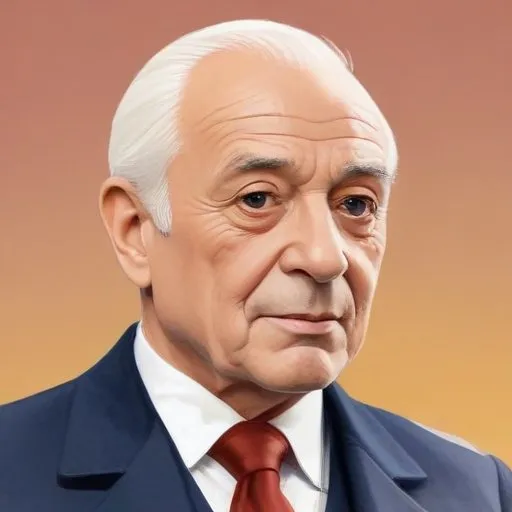
French filmmaker behind poetic and visually stunning movies that explore the human condition, particularly in the context of post-war France.
Maurice Cloche, a renowned French film director, screenwriter, photographer, and producer, is best known for his Academy Award-winning film, Monsieur Vincent (1947), a poignant dramatization of the life of St. Vincent de Paul. This masterpiece earned him a Special Academy Award for Best Foreign Language Film in 1948, cementing his reputation as a master storyteller.
Cloche's illustrious career, spanning more than 50 years, was marked by his versatility in crafting films that tackled diverse themes, from spy thrillers to religious and social dramas. His filmography boasts a range of notable works, including La Cage aux Oiseaux (The Bird Cage), Le Docteur Laennec, and La Cage aux Filles (The Girl Cage).
In 1940, Cloche founded a film society for young talent, which later evolved into France's leading film school, the Institute of Advanced Film Studies. This pioneering initiative played a significant role in nurturing the next generation of French filmmakers.
Cloche's artistic journey began at the École des Beaux-Arts, followed by the École nationale supérieure des arts décoratifs. He entered the cinema industry as an actor in 1933, eventually transitioning to the role of artistic director and director. His early short films laid the foundation for his feature film debut in 1937.
After World War II, Cloche focused on creating films that celebrated great figures of Christian charity, earning him the reputation of an official Catholic filmmaker. However, he also explored social subjects and even ventured into the realm of series B films.
In addition to his feature films, Cloche created several documentaries on art, including Terre d'amour, Symphonie graphique, Alsace, and Franche-Comté. These works showcased his versatility as a filmmaker and his ability to capture the essence of diverse subjects.
Cloche's contributions to French cinema are undeniable. He played a significant role in shaping the industry, inspiring a new generation of filmmakers, and leaving an indelible mark on the world of film.
Maurice Cloche's legacy extends beyond his films. He was a true pioneer, leaving behind a rich cultural heritage that continues to inspire and educate filmmakers today. His commitment to nurturing young talent and promoting the art of filmmaking has had a lasting impact on French cinema.
Born in 1894
A French cinematic mastermind behind iconic films like "Rules of the Game" and "Grand Illusion", known for his poignant social commentary and innovative storytelling techniques.
Born in 1906
French director and screenwriter behind poetic realist films that captured the essence of working-class life in 1930s-40s France, earning him a reputation as a master of atmospheric storytelling.
Born in 1901
A French filmmaker who crafted lyrical, poetic, and visually stunning movies that explored the human condition, often focusing on themes of love, desire, and social class.
Born in 1898
A pioneering filmmaker who blended wit, satire, and visual innovation in his movies, leaving a lasting mark on the development of comedy and cinematic storytelling.
Born in 1905
A pioneering filmmaker of the French New Wave, known for poetic and innovative storytelling in classics like "Zero for Conduct" and "L'Atalante".
Born in 1905
French New Wave pioneer behind films like "Une Si Jolie Petite Plage" and "Les Orgueilleux", known for his poetic and introspective storytelling style.
Born in 1906
A French actor, director, and screenwriter who brought a touch of realism to 1930s-50s cinema, crafting nuanced, character-driven stories that explored the human condition.
