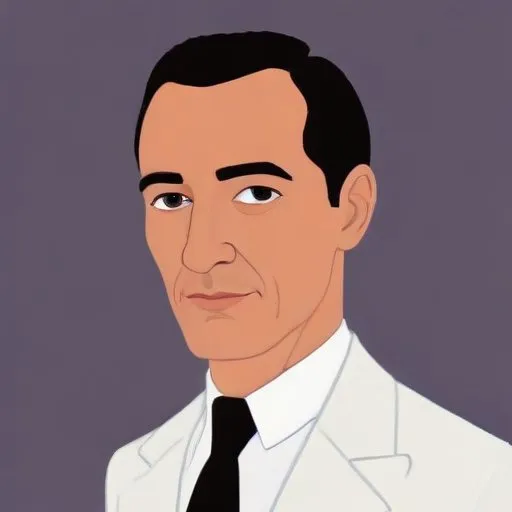
Maurice Pialat: The Maverick of French Cinema
A Master of Unsparing Realism
Maurice Pialat, the French film director, screenwriter, and actor, is renowned for his unflinching and unsentimental portrayal of the human condition. His films, often described as realist, yet defying traditional realism, dissect the intricate lives of the French petty bourgeoisie with a psychological narrative style that is both brutal and poignant.
Early Life and Career
Born on August 31, 1925, in Cunlhat, Puy-de-Dôme, France, Pialat's journey into filmmaking was not a conventional one. Initially, he aspired to become a painter but found little success. It wasn't until he acquired a camera at 16 that he discovered his true calling. Pialat began making documentary films, eventually transitioning to feature-length films, including his debut,
L'Enfance nue (The Naked Childhood), in 1969.
Auteur of the Ordinary
Pialat's cinema is characterized by its focus on the mundane, the everyday lives of ordinary people. He strips away the glamour and pretenses, revealing the bittersweet nature of the French middle class. His films often take place outside the metropolitan centers, in the quieter, more rural areas of France. This shift in focus earned him both acclaim and criticism, but also a devoted following.
Collaborations and Milestones
Pialat's collaborations with French New Wave director
François Truffaut and actor
Gérard Depardieu are noteworthy. Their partnership resulted in four films, including
Loulou,
Police, and
Sous le soleil de Satan (Under the Sun of Satan), for which Pialat won the Palme d'Or at the 1987 Cannes Film Festival.
Awards and Recognition
Pialat's contributions to French cinema have been acknowledged with numerous awards and honors. His film
À nos amours (To Our Loves) won the Prix Louis Delluc in 1983, while
Sous le soleil de Satan earned him the Palme d'Or at Cannes.
Influence and Legacy
Pialat's influence on modern French cinema is undeniable. His uncompromising realism and focus on the everyday have inspired a new generation of filmmakers. Critics have drawn parallels between his work and that of American director
John Cassavetes, praising his unique naturalism born of formalism.
Personal Life and Anecdotes
Despite his rugged exterior, Pialat was known for his dry wit and kindness. In a tributary article, critic Nol Herpe recalled Pialat's humble nature, stating, "He had a way of being stubborn, of not wanting to be trapped by the expectations of others."
Trivia and Fun Facts
- Pialat began his filmmaking career at the age of 43, making him a late bloomer in the film industry.
- He was a prolific director, completing ten major features during his 35-year career.
- Pialat's films often explored autobiographical themes, drawing from his own life experiences.
Remembering Pialat
In a career spanning over three decades, Maurice Pialat left an indelible mark on French cinema. His unwavering commitment to authenticity and his unflinching gaze on the human condition continue to inspire and influence filmmakers to this day. As critic Kent Jones so aptly put it, "Pialat ambled, and fuck anyone who said otherwise."
FAQ
What was Maurice Pialats most famous film?
Maurice Pialat was a renowned French actor and director, best known for his 1987 film Under the Sun of Satan, which won the Palme dOr at the Cannes Film Festival.
How did Maurice Pialats experiences shape his filmmaking style?
Maurice Pialats experiences as a painter and sculptor influenced his unique filmmaking style, characterized by vivid visuals and a focus on the human condition.
What was Maurice Pialats approach to working with actors?
Maurice Pialat was known for his intense, collaborative approach to working with actors, often encouraging improvisation and drawing out powerful performances.
What awards did Maurice Pialat receive for his directing work?
Maurice Pialat received numerous awards for his directing work, including the César Award for Best Director and the Prix Louis Delluc.
What was Maurice Pialats legacy in French cinema?
Maurice Pialats innovative filmmaking style and commitment to exploring the human condition have made him a beloved figure in French cinema, influencing generations of directors and actors.