


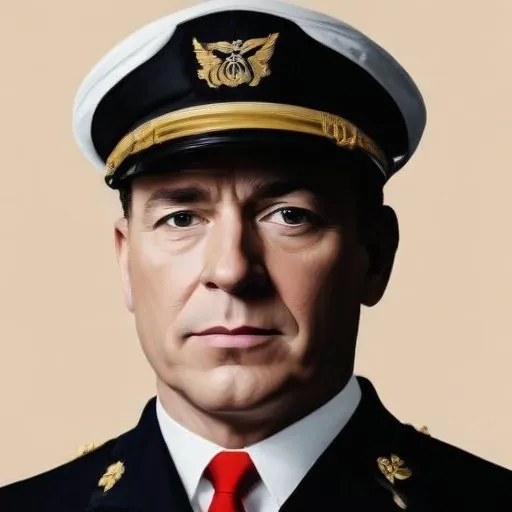
A decorated war hero who lost three limbs in Vietnam, later becoming a U.S. Senator and advocating for veterans' rights. He's a symbol of courage and resilience in the face of adversity.
Max Cleland, a decorated Vietnam War veteran and former United States Senator, is renowned for his unwavering commitment to public service and his remarkable story of overcoming adversity. Despite losing three limbs in combat, Cleland persevered, becoming a symbol of hope and inspiration to millions.
Cleland was born on August 24, 1942, in Atlanta, Georgia, to Juanita Wilda Kesler and Joseph Hughie Cleland. Growing up in Lithonia, Georgia, he graduated from Stetson University in 1964 and later earned a master's degree from Emory University in Georgia.
He served in the United States Army during the Vietnam War, attaining the rank of captain. Cleland was awarded the Silver Star and the Bronze Star for valorous action in combat, including during the Battle of Khe Sanh on April 4, 1968.
On April 8, 1968, Captain Cleland was ordered to set up a radio relay station on a nearby hill. A helicopter flew him and two soldiers to the site, but as they were unloading equipment, a grenade accidentally detonated, causing catastrophic injuries. Cleland lost his right arm and both legs in the explosion, but his bravery and resilience in the face of adversity became a defining characteristic of his life.
After recovering from his injuries, Cleland entered politics, driven by a desire to serve his country and community. He served as a Georgia State Senator from 1971 to 1975 and later as Administrator of Veterans Affairs under President Jimmy Carter from 1977 to 1981.
In 1996, Cleland was elected as a United States Senator, serving until 2003. During his tenure, he worked tirelessly to improve veterans' benefits, enhance healthcare services, and promote international cooperation. He also served on the board of directors of the Export-Import Bank of the United States from 2003 to 2007 and as Secretary of the American Battle Monuments Commission from 2009 to 2017.
Cleland's experiences in Vietnam and his subsequent advocacy for veterans' rights shaped his philosophical beliefs. He was a strong proponent of patriotism, duty, and public service, and his commitment to these values inspired countless individuals to engage in civic activities.
Max Cleland's remarkable life and career have left an indelible mark on modern society. His courage, resilience, and dedication to public service have inspired generations of Americans to engage in civic activities and advocate for veterans' rights.
Cleland's most notable achievements include his advocacy for veterans' benefits, his work on international cooperation, and his role in shaping the American Battle Monuments Commission. His commitment to public service has earned him numerous awards and honors, including the Silver Star and the Bronze Star.
Max Cleland's legacy extends far beyond his impressive list of accomplishments. He has inspired countless individuals to pursue careers in public service, and his unwavering commitment to veterans' rights has improved the lives of millions. As a beacon of hope and resilience, Cleland's story continues to inspire and motivate people around the world.
Born in 1924
A naval officer turned politician who served as the 39th President of the United States, known for his commitment to human rights and social justice, and awarded the Nobel Peace Prize in 2002.
Born in 1924
The 41st President of the United States, a decorated war hero and skilled diplomat, led the country through the end of the Cold War and Gulf War. He's known for his foreign policy expertise and "kinder, gentler nation" vision.
Born in 1911
The charismatic leader who championed conservative policies, helped end the Cold War, and is often credited with restoring American pride and optimism. He's also remembered for his folksy, actor-honed communication style.
Born in 1913
The 38th President of the United States, a former football star and lawyer, is known for being the first vice president to assume the presidency under the 25th Amendment and for his controversial pardon of Richard Nixon. He's also remembered for his humble and accidental rise to the presidency.
Born in 1913
The 37th President of the United States, a polarizing figure who led the country through significant domestic and foreign policy changes, infamous for his involvement in the Watergate scandal.
Born in 1908
The 36th President of the United States, a skilled politician and leader, played a crucial role in passing landmark civil rights legislation, including the Civil Rights Act and Voting Rights Act.
Born in 1917
The 35th President of the United States was a charismatic leader who navigated the country through the Cuban Missile Crisis and advocated for civil rights, leaving a lasting legacy in American politics.
Born in 1925
A Navy officer, lawyer, and politician who served as US Attorney General, playing a key role in the Civil Rights Movement and advocating for social justice. He was a prominent figure in American politics during the 1960s.
