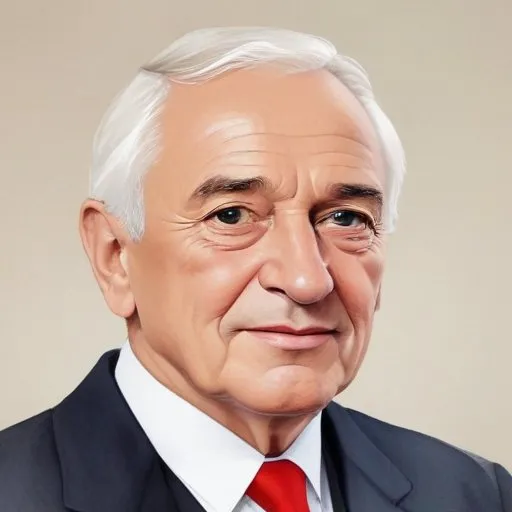
Max Petitpierre: The Swiss Statesman and Architect of International Humanitarian Law
A Legacy of Diplomacy and Humanity
Max Petitpierre is indelibly etched in the annals of Swiss and global history as a stalwart politician, jurist, and champion of humanitarian law. As a member of the Swiss Federal Council, he spearheaded the Political Department Ministry of Foreign Affairs from 1944 to 1961, leaving an indelible mark on international relations and the development of humanitarian law.
Rise to Prominence
Born on February 26, 1899, Petitpierre's journey to the pinnacle of Swiss politics began with his election to the Swiss Federal Council on December 14, 1944. During his tenure, he demonstrated unwavering dedication to the principles of humanitarian law, earning him the respect and admiration of the global community.
A Leader in International Humanitarian Law
The 1949 Geneva Conventions
Petitpierre's most enduring legacy is his instrumental role in the adoption of the 1949 Geneva Conventions. As the President of the Diplomatic Conference at Geneva in 1949, he oversaw the drafting and adoption of these landmark treaties, which have since become the cornerstone of international humanitarian law. The Conventions have saved countless lives and protected civilians from the ravages of war, cementing Petitpierre's status as a guardian of humanity.
A Profile in Leadership
Throughout his career, Petitpierre demonstrated exceptional leadership and diplomacy, earning him the presidency of the Confederation three times (1950, 1955, and 1960). His tenure was marked by a commitment to fostering international cooperation, promoting peace, and protecting human dignity.
Lasting Impact
Awards and Honors
Petitpierre's contributions to humanitarian law and international relations were recognized through numerous awards and honors. His legacy continues to inspire generations of diplomats, lawyers, and humanitarians, ensuring that his name remains synonymous with excellence and dedication to the cause of humanity.
Legacy and Historical Context
Petitpierre's remarkable career spanned over six decades, during which he navigated the complex landscape of international politics, always remaining true to his principles. His passing on March 25, 1994, at the age of 95, marked the end of an era, but his legacy continues to reverberate through the corridors of power and the hearts of those who cherish humanity.
Personal Milestones and Key Life Events
- Elected to the Swiss Federal Council on December 14, 1944
- President of the Diplomatic Conference at Geneva in 1949
- President of the Confederation in 1950, 1955, and 1960
- Honored with numerous awards and recognition for his contributions to humanitarian law and international relations
Conclusion
Max Petitpierre's remarkable life and legacy serve as a testament to the power of dedication, diplomacy, and humanity. As we reflect on his accomplishments, we are reminded of the enduring importance of his work and the need for continued commitment to the principles of humanitarian law. Petitpierre's name will forever be etched in the annals of history as a champion of humanity, and his legacy will continue to inspire generations to come.
FAQ
What was Max Petitpierres role in Swiss politics?
Max Petitpierre was a Swiss jurist and politician who served as the 54th President of the Swiss Confederation in 1950.
What were Max Petitpierres contributions to Swiss foreign policy?
Petitpierre played a key role in shaping Swiss foreign policy, advocating for Switzerlands neutrality and independence in the face of Cold War rivalries.
How did Max Petitpierres presidency impact Swiss economy?
During Petitpierres presidency, Switzerland experienced significant economic growth, driven by the countrys strong financial sector and industrial base.
What was Max Petitpierres stance on European integration?
Petitpierre was skeptical of European integration, believing that Switzerlands independence and neutrality should be protected.
What is Max Petitpierres legacy in Swiss history?
Petitpierres legacy is that of a statesman who navigated Switzerland through the treacherous waters of the Cold War, protecting the countrys independence and sovereignty.