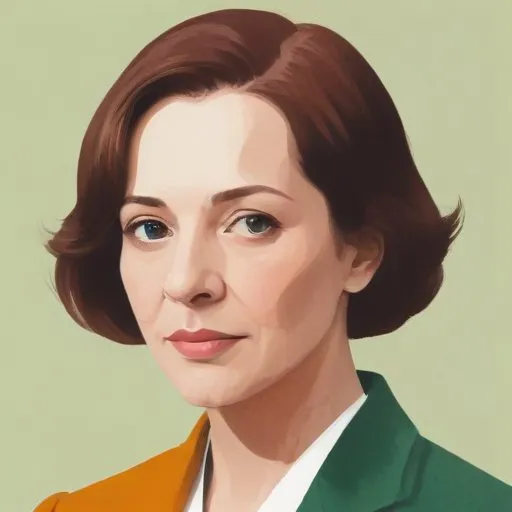
May Brahe: The Australian Composer Behind the Beloved Ballad "Bless This House"
May Brahe, an Australian composer, is best known for her soulful songs and ballads that have captivated audiences worldwide. Among her impressive repertoire of over 500 compositions, one song stands out – "Bless This House," a timeless classic that has been recorded by renowned artists like
John McCormack, Beniamino Gigli,
Lesley Garrett, and Bryn Terfel.
A Life of Music and Passion
Born Mary Hannah Dickson on November 6, 1884, in East Melbourne, May Brahe was destined for a life immersed in music. She began studying piano with her mother and later attended Stratherne Girls School, Hawthorn, where her passion for music only grew stronger. Under the guidance of Mona McBurney and singer Alice Rebotarro, May honed her skills, laying the foundation for her future success as a composer.
A Career of Creative Pseudonyms and Triumphs
In 1910, May began performing in a trio with George W. L. Marshall-Hall and accompanied singers, marking the beginning of her journey as a composer. She left for London in 1912 to establish herself in the industry, leaving her children behind. This bold move paid off with her first success, the 1915 song "Down Here," which began with the lyrics "It's quiet down here" by P.J. O'Reilly.
To circumvent publishers' reluctance to publish more than four of her songs in a year, May adopted nine pseudonyms, including Mervyn Banks, Mary Hannah Brahe, Donald Crichton, and Stanley Dickson, among others. This clever strategy allowed her to publish more frequently, eventually leading to an impressive total of 290 published songs.
Personal Milestones and Challenges
May's life was not without its challenges. In 1914, she returned to Australia to bring her family back to England. Tragedy struck in 1919 when her husband, Frederick Brahe, was killed in a motor accident. May persevered, marrying George Albert Morgan, an Australian-born actor, in 1922. When her publisher was taken over by Boosey & Hawkes in 1925, she became one of their few composers on an annual retainer.
A Legacy of Lasting Impact
May Brahe's contributions to the world of music are undeniable. With an astonishing 400 published songs in the next 18 years, she solidified her position as a leading composer of her time. Her music continues to inspire generations, with "Bless This House" remaining an iconic classic. May's life serves as a testament to her dedication, perseverance, and passion for her craft.
Quips and Quotes
- "Music is the divine way to tell beautiful, poetic things to the heart." – May Brahe
Timeline of Major Works and Events
- 1884: Born Mary Hannah Dickson on November 6th in East Melbourne
- 1910: Begins performing in a trio with George W. L. Marshall-Hall
- 1912: Leaves for London to establish herself as a composer
- 1915: Publishes her first success, "Down Here"
- 1919: Husband Frederick Brahe is killed in a motor accident
- 1922: Marries George Albert Morgan in London
- 1925: Becomes one of Boosey & Hawkes' few composers on an annual retainer
- 1956: Passes away on August 14th
May Brahe's remarkable journey serves as a beacon of inspiration, reminding us of the power of passion, dedication, and perseverance in the pursuit of one's dreams. Her legacy continues to bless the world of music, a testament to the enduring beauty of her creations.
FAQ
What kind of music did May Brahe compose?
May Brahe was an Australian composer who wrote music in various genres, including opera, orchestral, and chamber music.
When did May Brahe start composing music?
May Brahe began composing music at a young age and wrote her first opera, The Magic Pen, in 1911.
What is May Brahes most famous composition?
May Brahes most famous composition is the opera The Bishops Bonfire, which premiered in 1926.
What was May Brahes contribution to Australian music?
May Brahe made a significant contribution to Australian music by writing operas and other works that showcased Australian themes and stories.
Where did May Brahe study music?
May Brahe studied music at the New South Wales State Conservatorium and later at the Royal Academy of Music in London.