


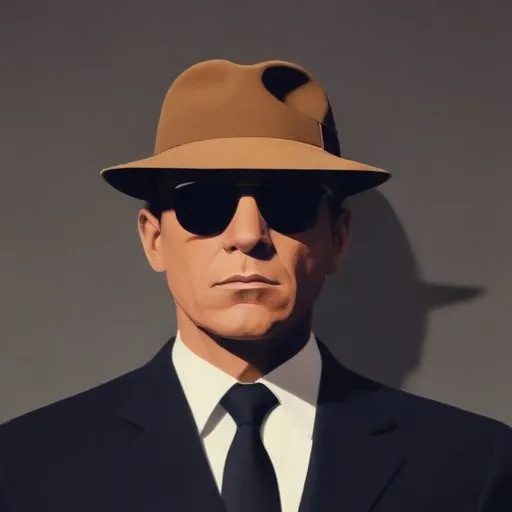
Leading the FBI's hunt for notorious outlaws like John Dillinger and Pretty Boy Floyd, this agent's daring raids and clever tactics made him a legendary crime-fighter. His exploits were sensationalized in the media, cementing his status as a heroic figure.
Melvin Purvis is famously known for capturing two of America's most notorious bank robbers, John Dillinger and Pretty Boy Floyd, in 1934. His bravery and skill as an FBI agent made him a household name, overshadowing his impressive military career, which involved working with prominent figures like General George Patton and Hermann Gring.
Melvin Horace Purvis II was born on October 24, 1903, in Timmonsville, South Carolina, to a tobacco farmer and businessman, Melvin Horace Purvis, Sr., and Janie Elizabeth Mims. He was the fifth of eight siblings and had a penchant for leadership and extracurricular activities from a young age.
After practicing law in Florence and working as an insurance adjuster, Purvis sought adventure and joined the Bureau of Investigation (BOI), the forerunner to the FBI, in December 1926. He began serving in February 1927 and quickly made a name for himself as a diligent and loyal agent.
Investigations into Purvis' character and background revealed that he was honest, industrious, and ambitious, although not necessarily brilliant or hard-boiled enough to be a money maker.
Purvis' performance reviews consistently rated his appearance and loyalty to the Bureau at 100. He worked his way up the ranks, becoming a skilled investigator, and his big break came in 1934 when he was tasked with capturing John Dillinger and Pretty Boy Floyd.
Through meticulous planning and bravery, Purvis and his team successfully ambushed and killed Dillinger outside the Biograph Theater in Chicago on July 22, 1934. He then turned his attention to Pretty Boy Floyd, tracking him down to an apple orchard in East Liverpool, Ohio, where he was killed on October 22, 1934.
In addition to his achievements in the FBI, Purvis had a notable military career, working directly with General George Patton, Hermann Gring, and playing a role in the Nuremberg Trials. He passed away on February 29, 1960, leaving behind a legacy as one of the most iconic FBI agents in history.
Melvin Purvis' bravery, skill, and dedication to justice have inspired generations of law enforcement agents and fascinated the public. His legacy serves as a reminder of the importance of perseverance and loyalty in the pursuit of justice.
Today, Purvis' name is synonymous with law enforcement excellence, and his captures of Dillinger and Floyd remain some of the most significant moments in American crime-fighting history.
Born in 1895
The first Director of the FBI, who led the agency for nearly five decades, building it into a powerful force in American law enforcement, and notorious for his secretive and authoritarian style. He's infamous for his surveillance and harassment of political dissidents, civil rights leaders, and celebrities.
Born in 1903
Notorious bank robber and gang leader during the Great Depression, known for his brazen crimes and charismatic persona. 82
Born in 1908
Notorious bank robber and member of John Dillinger's gang, known for his violent temper and involvement in the infamous shootout at Little Bohemia.
Born in 1904
Notorious bank robber and folk hero of the Great Depression era, known for his charismatic personality and Robin Hood-like exploits, stealing from the rich and giving to the poor.
Born in 1899
Notorious leader of a powerful organized crime syndicate during the Prohibition era, infamous for bootlegging and brutal tactics.
Born in 1903
Led the Untouchables, a team of Prohibition agents, in a legendary crusade against organized crime, particularly Al Capone, using innovative tactics and unwavering determination.
97 Years Old
A prominent leader in the civil rights movement, advocating for racial equality and social justice through nonviolent means, leaving a lasting impact on American history.
Born in 1925
A Navy officer, lawyer, and politician who served as US Attorney General, playing a key role in the Civil Rights Movement and advocating for social justice. He was a prominent figure in American politics during the 1960s.
