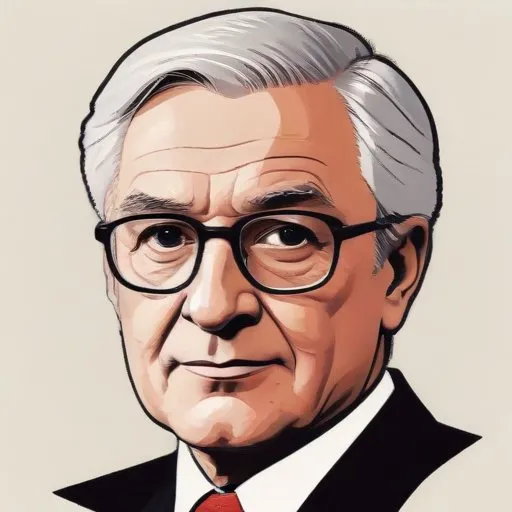
Mervyn King: The Esteemed Governor of the Bank of England
A Steadfast Leader in Uncertain Times
Mervyn King, Baron King of Lothbury, is a renowned British economist and public servant who served as the Governor of the Bank of England from 2003 to 2013. During his tenure, he navigated the institution through the treacherous waters of the 2007-2008 financial crisis and the subsequent Great Recession, earning him widespread recognition as a skilled crisis manager.
Early Life and Education
Born on March 30, 1948, in Chesham Bois, Buckinghamshire, King was the son of Eric King, a railway porter turned geography teacher, and Kathleen (née Passingham). He attended Wolverhampton Grammar School and later studied economics at King's College, Cambridge, where he graduated with a first-class degree in 1969. King furthered his education at St John's College, Cambridge, and Harvard University, where he was a Kennedy Scholar.
Rise to Prominence
King's academic background and research experience equipped him to tackle complex economic issues. He worked as a researcher on the Cambridge Growth Project and taught at the University of Birmingham, Harvard, and MIT. In 1990, he joined the Bank of England as a non-executive director, becoming the chief economist in 1991. His ascension continued with his appointment as a deputy governor of the bank in 1998 and a member of the Group of Thirty.
Tenure as Governor of the Bank of England
In 2003, King succeeded Edward George as the Governor of the Bank of England, a position he held until 2013. During his tenure, he oversaw the bank's response to the 2007-2008 financial crisis, implementing measures to stabilize the financial system, including the expansion of the bank's balance sheet. King's leadership during this period earned him international recognition, and he became a respected voice on global economic issues.
Post-Bank of England Career
After retiring from the Bank of England in 2013, King was appointed a life peer and entered the House of Lords as a crossbencher. He has since served as a professor of economics and law at New York University's Stern School of Business and School of Law.
Awards and Honors
King's contributions to economics and public service have been recognized with several awards and honors, including:
- The Honorary Fellowship of the London School of Economics
- The Honorary Fellowship of the British Academy
- The Commander of the Order of the British Empire (CBE)
Legacy and Impact
Mervyn King's leadership during the financial crisis has left an indelible mark on the global economic landscape. His commitment to stabilizing the financial system and his advocacy for sound economic policy have inspired a new generation of economists and policymakers. As a respected voice on economic issues, King continues to shape the discourse on global economic policy.
FAQ
What were Mervyn Kings contributions to monetary policy?
Mervyn King made significant contributions to monetary policy during his tenure as Governor of the Bank of England, helping to shape the UKs economic policy and response to the global financial crisis.
How did Mervyn Kings academic background inform his approach to economics?
Mervyn Kings academic background in economics, including his work on monetary theory and policy, informed his approach to economics and monetary policy. He was a respected expert in his field.
What were some of Mervyn Kings notable accomplishments as Governor?
Some of Mervyn Kings notable accomplishments as Governor of the Bank of England include his leadership during the global financial crisis, as well as his efforts to reform the UKs financial regulatory system.
How did Mervyn Kings leadership style influence the Bank of England?
Mervyn Kings leadership style, characterized by his expertise and collaborative approach, had a lasting impact on the Bank of England. He is widely respected for his ability to bring people together and build consensus.
What is Mervyn Kings legacy in economics?
Mervyn Kings legacy in economics is that of a respected and influential economist and policymaker. He remains a leading authority on monetary policy and a sought-after expert in the field.